With growing concerns about climate change and dwindling natural resources, industries worldwide are taking steps toward sustainable practices. The print industry is adopting sustainable methods to reduce waste, such as UV printing and uncoated recycled paper. These innovations are one of the best ways to combat the high risk of unused white paper. Additionally, digital printing produces much less waste, helping to reduce their environmental footprint.
Sustainable printing focuses on the most environmentally friendly paper materials and processes, such as recycled paper, FSC-certified paper, and biodegradable inks. These methods are not only eco-conscious but also cost-effective and efficient. This blog delves into the latest advancements in sustainable printing, their benefits, and actionable steps businesses can take to implement them.
Why Sustainable Printing is the Future of Eco-Friendly Innovation?
Sustainability in the printing industry is essential for reducing environmental harm caused by traditional types of printing methods, including conventional printing inks and friendly ink options. Conventional printing often results in significant resource wastage, energy consumption, and high carbon emissions, leading to much less waste. Adopting sustainable techniques benefits both the planet and businesses.
Key Benefits of Sustainable Printing:
Minimised Waste: Eco-friendly materials like recycled paper reduce waste production.
Reduced Carbon Footprint: Carbon-neutral processes and green materials lower emissions.
Conservation of Resources: Renewable and recyclable materials limit the depletion of natural resources.
Energy Efficiency: Sustainable inks and methods require less energy, saving costs and resources.
Beyond environmental benefits, sustainable printing demonstrates a company’s commitment to responsible practices. It boosts brand reputation, aligns with consumer preferences for green initiatives, and contributes to long-term cost savings.
The printing industry has embraced several cutting-edge sustainable methods. These techniques aim to minimise environmental impact while maintaining or enhancing the quality of print outputs. Let’s discuss 5 sustainable printing techniques below.
Recycled Paper
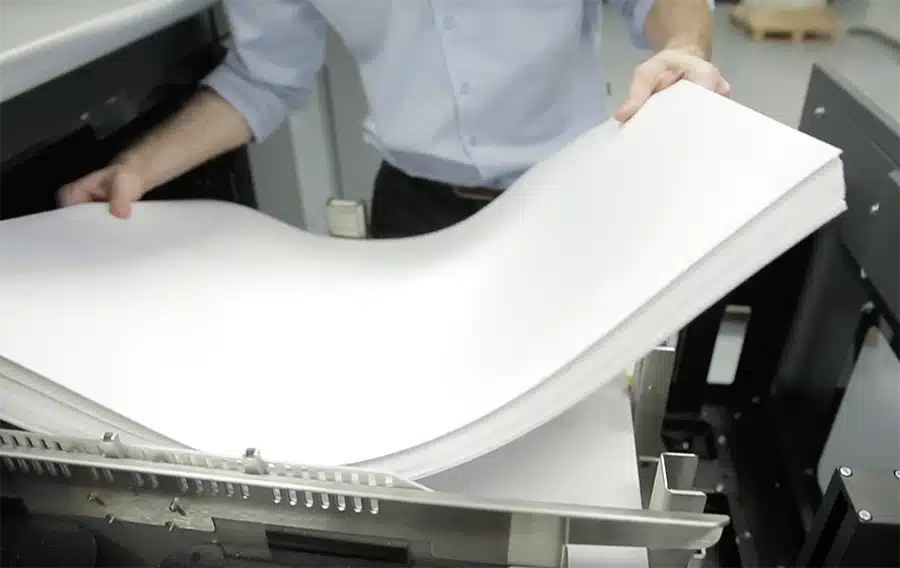
Using recycled paper significantly reduces the demand for virgin paper production, which involves deforestation and high energy consumption. Recycled paper is made from 100% recycled pulp and is biodegradable.
Key Features of this paper:
Unique Texture: Soft and subtle, with a natural, appealing tone.
Eco-Friendly Colour: A slight greyish hue, distinct from the traditional yellow tint.
Durability: Recycled paper, especially in 350gsm weight, is firm compared to coated paper.
Sustainability: This material helps divert waste from landfills while conserving energy and water in production.
FSC-Certified Paper
The Forest Stewardship Council (FSC) certifies paper sourced from responsibly managed forests. The FSC-certified paper ensures sustainable harvesting, supports reforestation and maintains biodiversity.
Key Features of this paper:
Silky Finish: Ideal for detailed, high-quality prints with vibrant imagery.
Natural Tone: A warmer off-white base often includes tiny flecks of recycled material.
Sustainable Credentials: Incorporates recycled fibres, renewable energy use, and carbon offsetting.
Biodegradable Inks
Traditional petroleum-based inks release volatile organic compounds (VOCs) that harm the environment. Biodegradable inks derived from renewable sources eliminate these risks.
Key Features of this paper:
Low Toxicity: Safer for the environment and workplace.
Decomposability: Breaks down naturally without leaving harmful residues.
Reduced Fossil Fuel Dependency: Cuts down reliance on non-renewable resources.
Plant-Based Inks
Plant-based inks, made from renewable resources like soy, corn, and other vegetables, are a sustainable alternative to petroleum-based inks.
Key Features of this paper:
Eco-Friendly Production: Low VOC emissions and minimal environmental impact.
Recyclability: Performs exceptionally well on recycled paper.
Benefits of Sustainable Printing: A Greener Path Forward
Sustainable printing offers a wide range of benefits for businesses and the environment. Below, we will discuss them in detail.
Environmental Benefits
The printing industry can significantly reduce its ecological footprint by adopting green practices, such as using carbon-balanced paper, which is one of the most sustainable print solutions available today.
Benefit
Details
Minimal Waste
Recycled paper and renewable inks cut down waste.
Lower Carbon Footprint
Processes like carbon offsetting reduce harmful emissions.
Resource Conservation
Utilising recyclable and renewable materials protects natural resources.
Energy Efficiency
Digital printing and biodegradable inks consume less energy.
Cost Savings
Sustainable printing not only benefits the planet but also helps businesses save money:
Maximised Resource Productivity: Efficient use of materials reduces waste and increases output.
Long-Term Savings: Investing in sustainable methods yields cost benefits over time.
Brand Reputation
Adopting sustainable practices enhances a company’s image by showcasing its commitment to environmental responsibility. Consumers increasingly prefer brands that prioritise eco-consciousness, making sustainability a competitive advantage.
Mastering the Art of Sustainable Printing: A Step-by-Step Guide
Implementing sustainable printing practices requires strategic planning and a focus on eco-friendly initiatives.
Choose Eco-Friendly Materials
Start with sustainable materials that reduce environmental impact:
Recycled Paper: Opt for 100% recycled options to minimise waste.
FSC-Certified Paper: Ensure responsible sourcing of raw materials.
Biodegradable and Plant-Based Inks: Reduce toxicity and emissions.
Optimise Printing Processes
Streamlining processes can significantly improve efficiency:
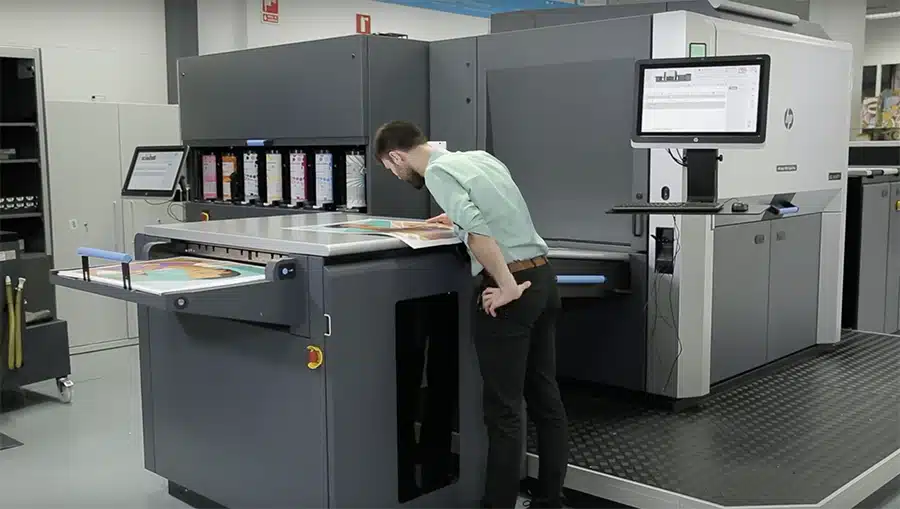
Digital Printing: Reduces waste and requires less setup time.
Direct-to-Garment Printing: Ideal for small orders and custom designs.
Proofing Efficiency: Aim for accurate proofs on the first attempt to avoid paper wastage.
Collaborate with printing providers that prioritise sustainability. Look for companies that:
Are carbon-neutral.
Use renewable energy.
Offer recycled and FSC-certified materials.
Follow ethical supply chain practices.
How we print greener
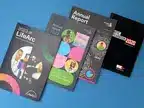
We're a short run printer in Colchester, and recycled paper sits in our everyday range rather than being a special order. Fully recycled uncoated stocks are always on the list, and FSC certified papers can be had across the whole range. Moof magazine chose Evolution Uncoated, a 100% recycled sheet, with black and white pages inside, and Fruitlands Zine Issue 2 used it at 100gsm.
Whether you need zine printing or a printed magazine on greener paper, ask for our free sample pack and compare the recycled and FSC options in your hands before choosing. Describe your project through our contact page and we'll recommend the stock that suits it.
Conclusion
Sustainable printing is transforming the industry by combining innovation with eco-conscious practices, including a group of high quality high white silk techniques, like recycled paper, biodegradable inks, and the recycling process involved in direct-to-garment printing. These methods enable businesses to reduce waste, save costs, and minimise environmental impact, including options for larger jobs that often require the use of high amounts of ink and standard Saturday delivery with Royal Mail or Parcel Force. By adopting sustainable practices, companies can improve their operational efficiency and contribute to a greener, more sustainable future. It’s a win-win for the planet and businesses alike, showing that profitability and environmental responsibility can go hand in hand.
Frequently Asked Questions
What makes a printing process sustainable?
A sustainable printing process uses renewable resources, minimises waste, and reduces energy consumption. Examples include recycled paper, FSC-certified materials, and biodegradable inks.
How can businesses implement sustainable printing methods?
Businesses can implement sustainable printing methods by using recycled paper, eco-friendly inks, printing double-sided, and opting for digital proofs to reduce waste. Additionally, choosing local printing services and minimising packaging can further enhance sustainability efforts in printing practices.
How can businesses promote sustainable printing?
Companies can adopt eco-friendly materials, optimise processes to reduce waste, and partner with green printing providers.
What are the benefits of sustainable printing practices?
Sustainable printing practices benefit the environment by reducing waste, conserving resources, and minimising pollution in print materials, which is essential for environmental protection. Additionally, with the support of the World Land Trust, they help companies enhance their reputation, meet regulatory requirements, and appeal to eco-conscious consumers who prioritise sustainable products and services.
What should you look for in an eco-friendly printing company?
Look for certifications like FSC, carbon-neutral initiatives, renewable energy usage, and sustainable material offerings.
Rather we printed it properly?
Your project deserves better than a home printer.
You've got the know how, so now let us do it for you. From first zines to 500 copy hardbacks, we've printed it all since 2006: beautifully bound, every file checked by a real person, and delivered on your deadline.