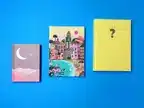
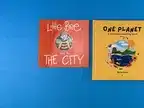
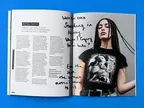
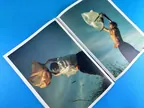
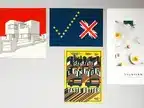
✓Knowing what is a good size for art prints improves presentation, practicality, and buyer appeal.
✓A5, A4, A3, A2, and A1 are the most common art print sizes used across the UK market.
✓Artwork detail, viewing distance, and intended purpose all influence print size selection.
✓Small, medium, and large prints each serve different display and buyer needs.
✓A4, A3, and A2 are among the most popular art print sizes for artists and print sellers.
✓Matching print size to the artwork type can improve presentation and visual impact.
✓Ex Why Zed helps artists choose, prepare, and print artwork in the most suitable format for professional results.
Printing artwork often comes with one surprisingly difficult question: what size should it be? With so many options available, from A5 prints to large A1 formats, it can be hard to judge how a piece will actually look once it is on a wall. A size that seems right in theory may feel underwhelming in a spacious room, while a larger print can end up dominating the space more than intended.
Different artworks suit different dimensions, and there is rarely a one-size-fits-all answer.
The uncertainty becomes even greater when framing, display location, viewing distance, and budget enter the equation. Choosing incorrectly can lead to additional framing costs, replacement prints, or a finished piece that simply does not create the visual impact you were hoping for.
This guide removes the guesswork from the process. You’ll learn how common art print sizes compare, where each format works best, and what factors should influence your decision. By the end, you’ll have a clear understanding of what is a good size for art prints based on your artwork, available space, and display goals.
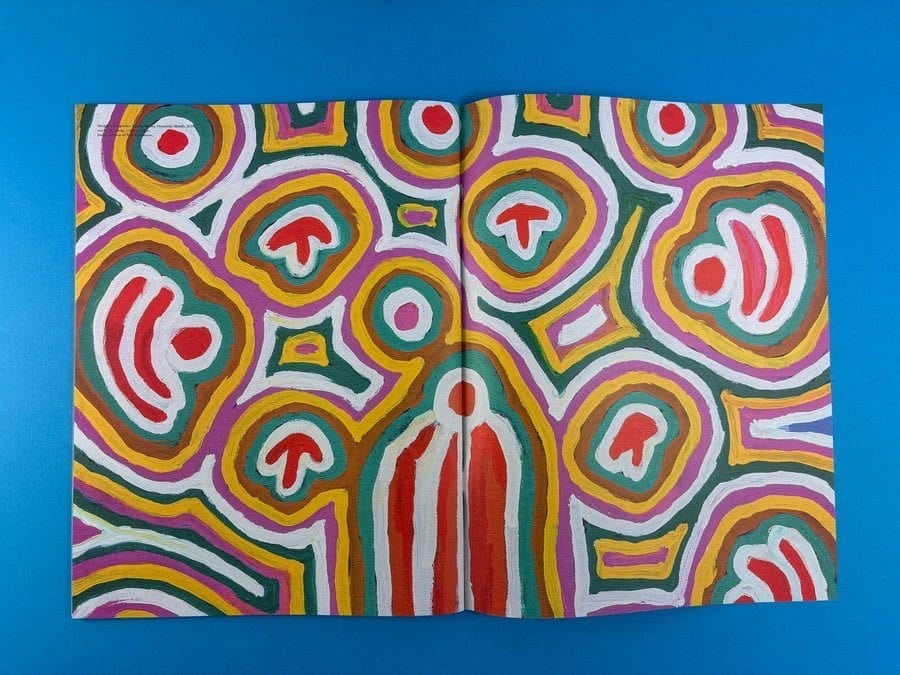
How a print reads on the wall changes completely with size — scale is a design decision, not an afterthought.
How Do You Choose the Right Art Print Size?
The right art print size depends on a combination of practical and visual factors. While standard sizes such as A4, A3, and A2 are popular choices, the best option will depend on the available space, viewing distance, level of detail in the artwork, and your budget.
Before choosing a size, consider:
01
Available space
The print should feel proportionate to the wall and surrounding furnishings.
02
Viewing distance
Larger prints are often better suited to spaces where artwork is viewed from further away.
03
Detail level
Highly detailed artwork may benefit from larger formats that allow fine elements to remain visible.
04
Budget
Larger prints typically cost more to produce, frame, package, and ship.
What Are the Three Important Reasons Size Matters?
The following factors explain why print dimensions play such an important role in the overall success of an artwork.
1
Visual Impact
Print size has a direct influence on how the artwork is perceived. Larger prints naturally attract more attention and can become focal points within a room, while smaller prints work well in gallery walls, smaller spaces, or as part of a collection.
2
Framing and Costs
Size affects both framing options and overall costs. Standard print dimensions are usually easier and more affordable to frame, while non-standard sizes often require custom framing. Larger prints also increase production, packaging, and shipping expenses.
3
Space Compatibility
A print should complement its surroundings rather than dominate or disappear within them. Choosing dimensions that suit the available wall space and typical viewing distance helps create a balanced and visually appealing display.
Ultimately, the best art print size balances visual impact, practical display requirements, and budget. Considering these factors together will help you choose a size that enhances both the artwork and the space where it will be displayed.
Get an instant quote from Ex Why Zed and see your printing costs in seconds.
What are the Common Standard Art Print Sizes in the UK Market?
Most UK art prints follow the internationally recognised A-series sizing system, making it easier to print, frame, and display artwork consistently.
If you’re wondering what is a good size for art prints, understanding these standard formats is a useful starting point. Each size serves a different purpose depending on the artwork, display space, and viewing experience.
Size
Dimensions (mm)
Best For
Visual Impact
Framing Cost
A5
148 × 210
Gifts, small displays, affordable prints
Low
Low
A4
210 × 297
Gallery walls, desks, shelves
Moderate
Low
A3
297 × 420
Home décor, general wall art
High
Moderate
A2
420 × 594
Feature walls, exhibitions, statement pieces
Very High
Higher
A2
A2 Size Art Prints: Best for Statement Displays
A2-size art prints measure 420mm × 594mm and are ideal for creating a strong visual presence. They work particularly well in larger rooms, galleries, exhibitions, and commercial environments. The larger format also allows fine details, textures, and colours to be appreciated more easily from a distance.
Best for: Statement artwork, exhibitions, feature walls, and premium print sales.
A3
A3 Art Print Size: The Most Versatile Option
A3 prints measure 297mm × 420mm and offer an excellent balance between impact, affordability, and practicality. Large enough to stand out yet easy to frame and display, they suit a wide range of interiors and remain one of the most popular sizes among artists.
Best for: Home décor, online art sales, galleries, and general wall displays.
A4
A4 Size Art Prints: Practical and Accessible
A4 prints measure 210mm × 297mm and are a popular choice for smaller spaces. Their manageable size makes them easy to frame, display, package, and ship. They are particularly appealing to first-time buyers, gift shoppers, and those creating gallery wall arrangements.
Best for: Smaller rooms, shelves, desks, gallery walls, and gift purchases.
A5
A5 Art Print Size: Compact Yet Effective
A5 prints measure 148mm × 210mm and are designed for smaller displays and close-up viewing. Despite their compact dimensions, they can be highly effective for illustrations, limited editions, and affordable art collections. Their lower cost also makes them attractive to budget-conscious buyers.
Best for: Budget-friendly artwork, gifts, small collections, and entry-level buyers.
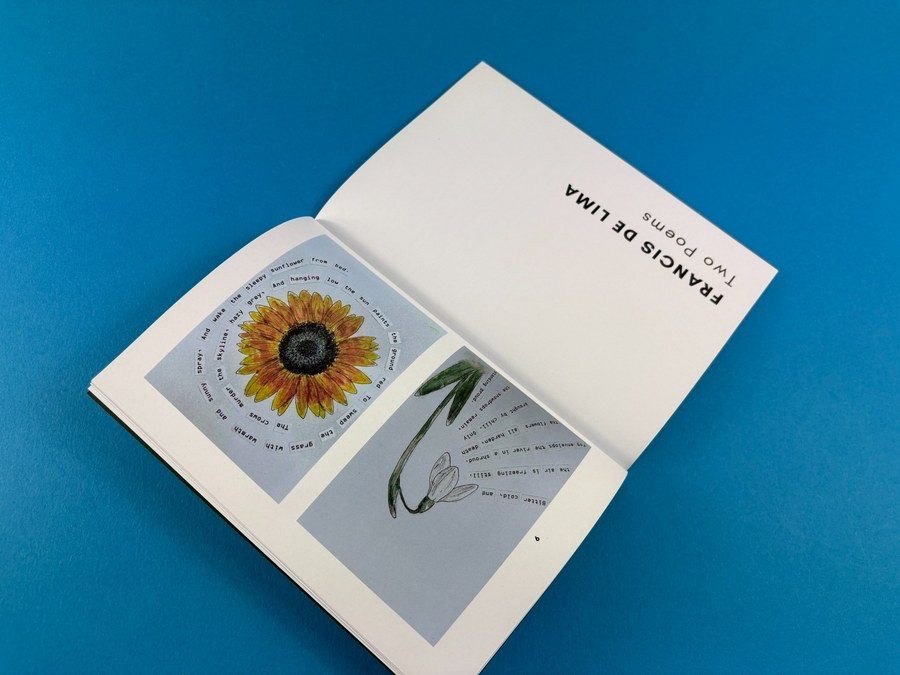
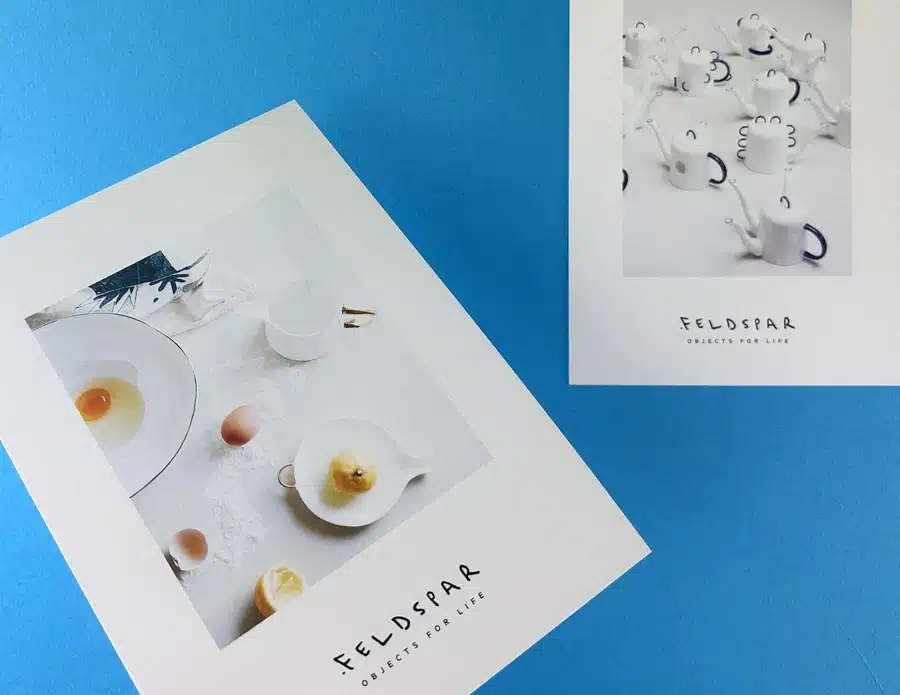
A5 in the wild — compact formats reward close-up viewing.
Each standard art print size option serves a different purpose, from affordable A5 formats to impactful A2 displays. Understanding how these dimensions align with viewing environments, buyer expectations, and artwork characteristics makes it easier to select a size that delivers the strongest overall result.
Request free sample papers from Ex Why Zed and find the perfect stock for your project.
Which Art Print Sizes Work Best for Different Types of Artwork?
Different types of artwork place different demands on print size. The right dimensions should support the artwork’s strengths, whether that’s preserving fine detail, enhancing visual impact, or creating the intended viewing experience.
📄
Don’t forget the stock
Paper choice also plays an important role in the final result, so it is worth understanding the best paper for printing before selecting your print specifications.
01
Photography Prints
Photography often benefits from larger formats because they allow viewers to appreciate image sharpness, texture, and depth. Landscape, architecture, and nature photography are particularly well-suited to larger prints.
Recommended sizes: A3, A2
02
Illustrations and Digital Art
Illustrations and digital artwork typically perform best at medium sizes that preserve line quality and colour accuracy without overwhelming the composition. These formats are also easy to frame, display, and sell.
Fine art reproductions often require larger dimensions to preserve visible brushstrokes, textures, and subtle details found in the original piece. Larger formats also create a viewing experience closer to the original artwork.
Recommended sizes: A3, A2, A1
04
Abstract and Modern Art
Abstract and modern artwork frequently relies on scale, colour relationships, and negative space to create impact. Larger print sizes help maximise these qualities and create a stronger visual presence within a room.
Recommended sizes: A2, A1
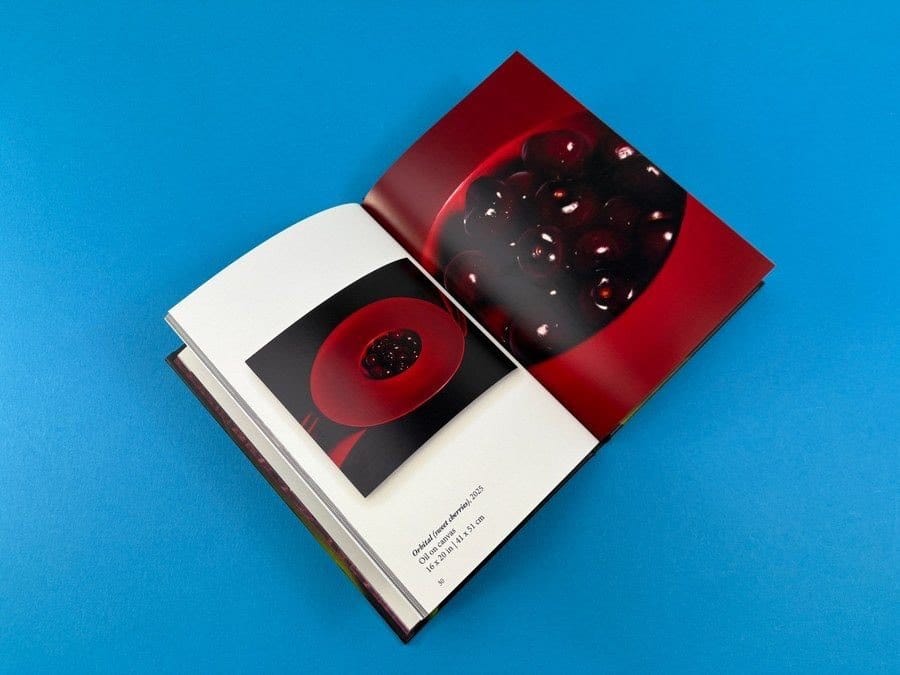
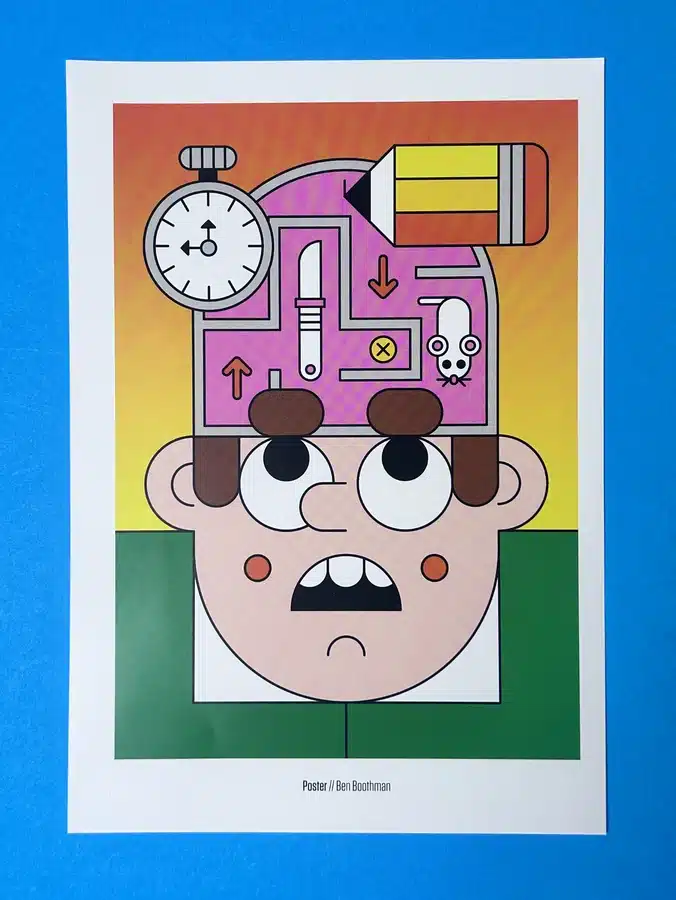
Match the format to the work — the artwork’s character should lead the size decision.
The best art print size ultimately depends on the style of the artwork, the available display space, and the intended viewing experience. Matching the print size to the artwork’s characteristics helps ensure the strongest possible visual result.
Looking to print your artwork? Order now with Ex Why Zed and bring your designs to life with professional-quality printing.
How Do You Choose the Right Art Print Size for Your Space?
Selecting the right art print size involves more than choosing dimensions that fit a wall.
The size should work in proportion to the room, complement nearby furniture, and create the level of visual impact you want. Following a structured approach can help you avoid common sizing mistakes and achieve a more balanced display.
1
Measure the Available Wall Space
Start by measuring the height and width of the area where the artwork will be displayed. A print should feel proportionate to the wall rather than occupying only a small portion or stretching too close to the edges.
2
Consider the Viewing Distance
The distance from which the artwork will typically be viewed should influence its size. Larger rooms often benefit from A2 or A1 size art prints, while A4 and A3 formats are usually sufficient for smaller spaces and closer viewing positions.
3
Match the Print to Nearby Furniture
Artwork should work in harmony with the surrounding furniture. As a general rule, the print or frame should occupy around two-thirds to three-quarters of the width of a sofa, bed, console table, or similar feature beneath it.
4
Decide Whether the Artwork Should Lead or Complement the Space
If the goal is to create a focal point, larger art print sizes such as A2 or A1 are often more effective. If the artwork is intended to support existing décor, smaller or medium formats may provide a better balance.
5
Think About Framing and Display Requirements
The final displayed size includes both the print and the frame. Matting, borders, and frame dimensions can significantly increase the overall footprint, so these should be considered before selecting a print size.
6
Visualise the Size Before Ordering
Use masking tape, paper templates, or digital room mock-ups to outline the dimensions on the wall. This simple step can help prevent sizing mistakes and provide a more realistic sense of how the artwork will look once installed.
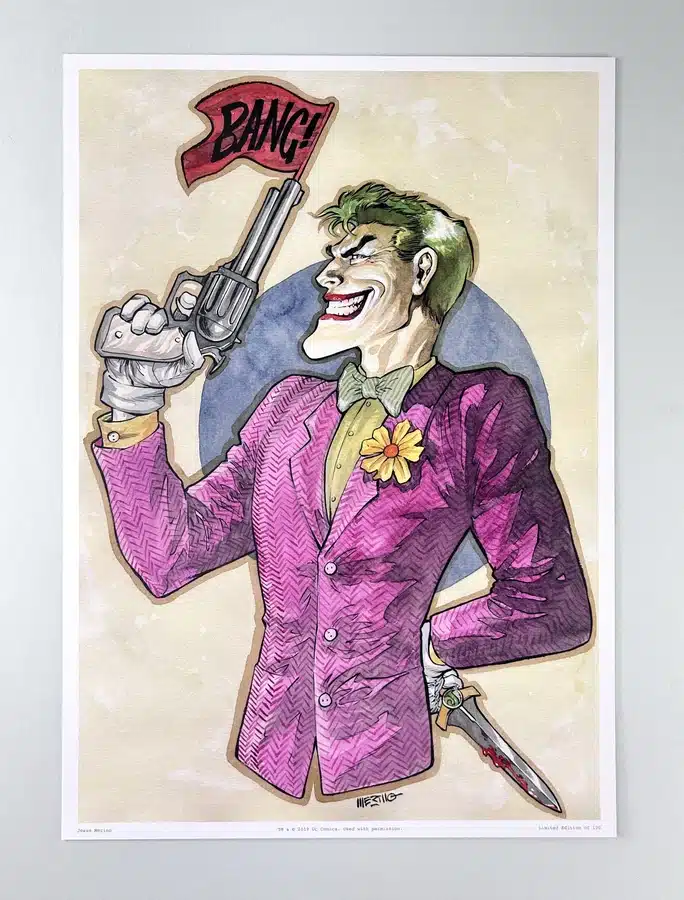
Wall space, viewing distance and furniture all feed the same decision.
The right art print size should suit both the artwork and its surroundings. By evaluating wall dimensions, viewing distance, furniture placement, display goals, and framing requirements, answering what is a good size for art prints becomes much easier and more informed.
Why Choose Ex Why Zed for Art Print Sizes and Printing?
Knowing the good size for art prints can help you make better printing decisions, but achieving a professional result requires more than choosing the right dimensions. Print quality, paper stock, colour reproduction, and finishing options all contribute to how the artwork looks once it reaches the wall. Every print size, from A5 to A2 and beyond, benefits from careful production and expert guidance.
At Ex Why Zed, we help artists, illustrators, photographers, designers, and creative brands transform their work into high-quality printed products.
✓Print a Wide Range of Art Print Sizes: From A5 and A4 prints to A3, A2, A1, and custom dimensions, we can produce artwork in the size that best suits your project.
✓Premium Paper Stocks and Finishes: Choose from a carefully selected range of papers and finishes to complement different artwork styles and presentation goals.
✓Short Runs and Bulk Printing Available: Whether you need a handful of prints for an exhibition or larger quantities for online sales, flexible print runs are available.
✓Fast Turnaround Times: Reliable production schedules help you meet exhibition deadlines, product launches, and customer orders with confidence.
Art print size is ultimately a strategic decision, not just a creative one. There is no single answer to what is a good size for art prints. The right dimensions can improve presentation, simplify framing, broaden buyer appeal, and help artwork achieve its intended impact. By selecting sizes with purpose rather than convenience, you can create prints that feel more considered, more professional, and more valuable to the people displaying them.
FAQ
Frequently Asked Questions
For high-quality art print sizes, use artwork with a resolution of 300 DPI at the final print size. This helps maintain sharp details, vibrant colours, and professional print quality across both small prints and large artwork, reducing the risk of pixelation.
A good size for art prints depends on the artwork, display space, and intended purpose. A4 and A3 are among the most common art print sizes, while A2 and A1 create greater visual impact. The best size balances presentation, framing, practicality, and aesthetic appeal.
If you’re wondering what is a good size for art prints as a beginner, A5 art print size and A4 size art prints are often the most cost-effective options. They have lower upfront costs, fit standard frames, and appeal to a wider audience.
Yes. Most artists focus on popular print sizes such as A4, A3, and A2 because they are easy to frame and widely accepted by buyers. An art print sizes chart can help compare dimensions, identify market demand, and build a practical product range.
When considering what is a good size for art prints is, small sizes typically include A5 art print size and A4, medium sizes include A3 art print size and 16″ × 20″, while larger formats start with A2 size art prints and extend to A1 size art prints for statement displays.
Different art print types suit different environments. Fine art prints often work well in living rooms, while acrylic prints can suit modern interiors and office settings. The right choice depends on the artwork, available space, and desired aesthetic appeal within your home decor.
Yes. Offering different sizes of art helps artists reach a broader audience with varying budgets and display needs. A carefully selected range of sizes can support different room layouts, accommodate standard frame sizes, and strengthen an art print business without adding unnecessary complexity.
Rather we printed it properly?
Your project deserves better than a home printer.
You've got the know-how — now let us do it for you. From first zines to 500-copy hardbacks, we've printed it all since 2006: beautifully bound, every file checked by a real person, and delivered on your deadline.
★★★★★5/5 on Reviews.io • Free paper samples • Order a test copy first
When it comes to captivating the attention of your audience and leaving a lasting impression, A1 poster printing stands out as a superior choice. With the ability to feature vibrant, full-colour artwork on large format posters, businesses and creatives alike can communicate their message effectively and aesthetically. This comprehensive guide explores the multitude of benefits and considerations associated with A1 printing services, as well as practical advice on design and insights into the future trends of poster printing.
Why Choose A1 Poster Printing for Your Marketing Needs?
Benefits of Large Format Posters in Advertising
In the realm of advertising, size and visibility are paramount. A1 posters, with their generous 594x840mm dimensions (precise A1 is actually 594x841mm), offer a large canvas that greatly enhances visual impact. This sizeable format ensures that your advertising messages are seen from a distance, making them perfect for high-traffic areas. Moreover, large format printing allows for detailed, high-resolution artwork, ensuring that your designs look crisp and compelling, which is essential for capturing and retaining audience attention.
Advantages of Poster Printing at Different Sizes
Bring your ideas to life with our exceptional poster printing services. Whether you're looking to captivate your audience with a grand A1 poster printing, make a bold statement with an eye-catching A2 poster printing, or convey your message succinctly with a compact A3 poster printing, we have the perfect size for every need. Each poster size offers unique advantages: A1 posters are ideal for large-scale displays and events, A2 posters strike the perfect balance between visibility and convenience, and A3 posters are perfect for indoor promotions and personal projects. Explore our services to find the perfect fit for your next project.
The Impact of Full Colour Printing on Audience Engagement
Colour plays a pivotal role in human psychology and can significantly influence moods and perceptions. At Ex Why Zed, we use full colour CMYK printing to produce vivid and dynamic prints that attract and engage viewers. These colourful impressions can encapsulate your brand's essence and evoke specific responses, making full colour an invaluable tool in capturing the essence of your message and engaging your target audience effectively.
Comparing Printing with Other Advertising Mediums
While digital media has its advantages posters offer a tangible and engaging alternative that can complement online marketing strategies. Unlike transient digital ads, posters provide a physical presence that can resonate more deeply with audiences, creating a lasting impact. Additionally, when comparing costs, A1 posters are an affordable option, offering wide coverage at best prices, including benefits such as free UK delivery and fast turnaround times, making them a cost-effective solution for both small and large-scale campaigns.
Ex Why Zed Sustainable Printing Facts
• 100% of our jobs are printed onto FSC Papers • All our litho printed jobs utilise vegetable inks • We offer FSC and Recycled Paper Choices • No minimum order quantity means no excess wastage • Fast press set-up ensures low material and energy usage
Understanding the 190gsm Satin Finish and Its Advantages
The choice of poster material plays a significant role in the overall quality and appeal of the printed poster. The 190gsm satin finish is a popular choice for posters due to its smooth, semi-gloss surface which enhances the vibrancy of colours. This premium paper weight offers a balance between durability and visual appeal, making it perfect for posters intended for indoor use, exhibitions, or promotional displays. The satin finish also minimises glare, ensuring your poster remains legible and visually striking under various lighting conditions.
For longer print runs of 250 copies or more, then we would print your A1 Art Prints on our B1 litho press which opens up the full range of papers types: silk. Choose from silk, uncoated or gloss posters from a lightweight 100gsm to a chunky 350gsm card.
Why Ink Choice Matters in Achieving High-Quality A1 Posters
The longevity and vibrance of a poster significantly depend on the quality of ink used. Our large format machine uses superior inks that are fade-resistant and capable of producing a wide spectrum of colours. Durable, pigment-based inks will ensure your posters maintain their colour depth and clarity over time, even when exposed to light or harsh environmental conditions, thus preserving the integrity and impact of your message.
Navigating Between CMYK and RGB for A1 Poster Printing
The digital world predominantly uses RGB colour space, while the printing industry relies on CMYK. This distinction is crucial when preparing artwork for A1 poster printing. To achieve accurate colour representation, converting your designs from RGB to CMYK is essential. This will ensure that the colours you see on your screen are as closely matched in print as is possible but there will never be an exact match.
What to Look for When Choosing A1 Poster Printing Services in the UK?
Evaluating Printing Options: Matt vs. Satin Poster Paper
Deciding between matt and satin poster paper hinges on the intended use and desired aesthetic of your A1 poster. Matt paper provides a flat, more muted finish that can be easier to read and lend itself to being written on. In contrast, satin paper offers a more subtle sheen, reducing glare and providing a professional finish that is easier on the eyes for posters with heavy text or detailed designs. Both options are available from Ex Why Zed at 840x594mm.
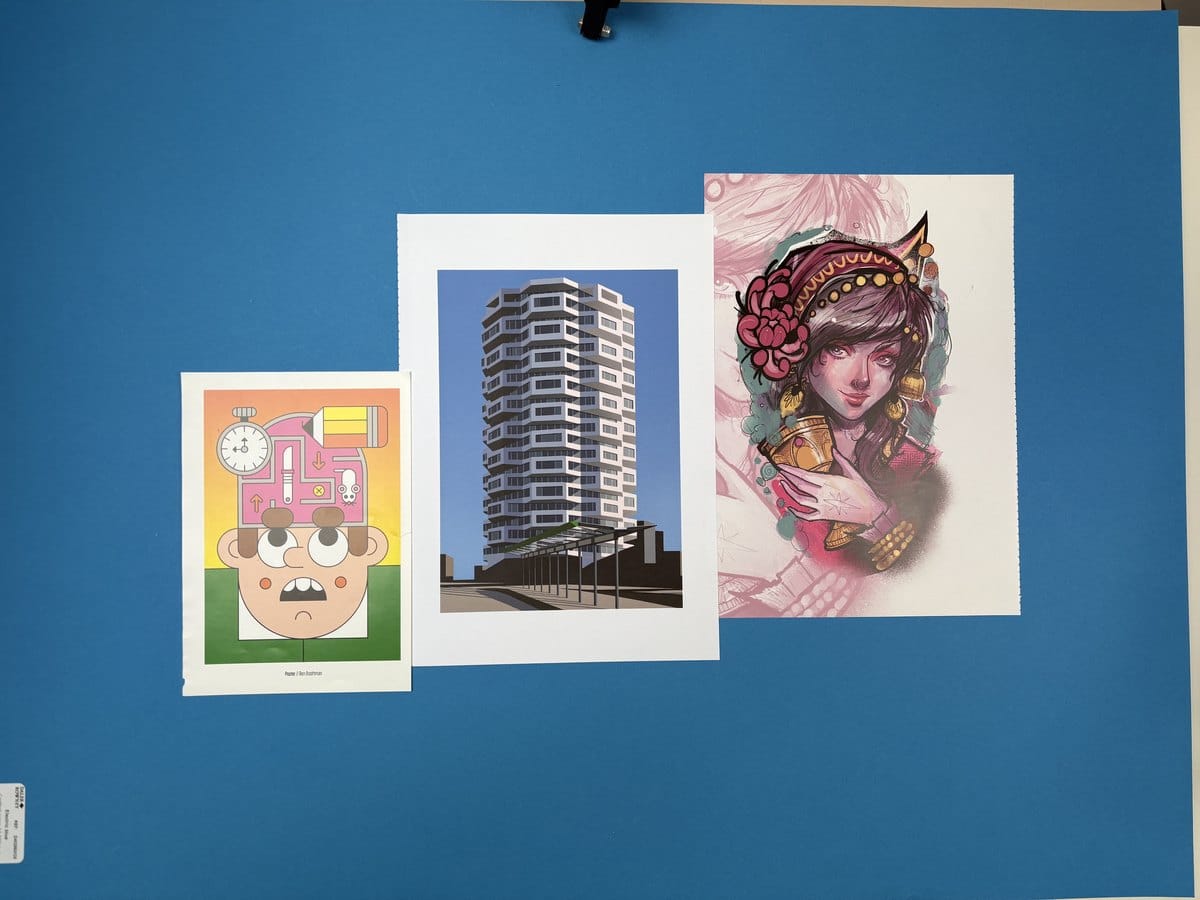
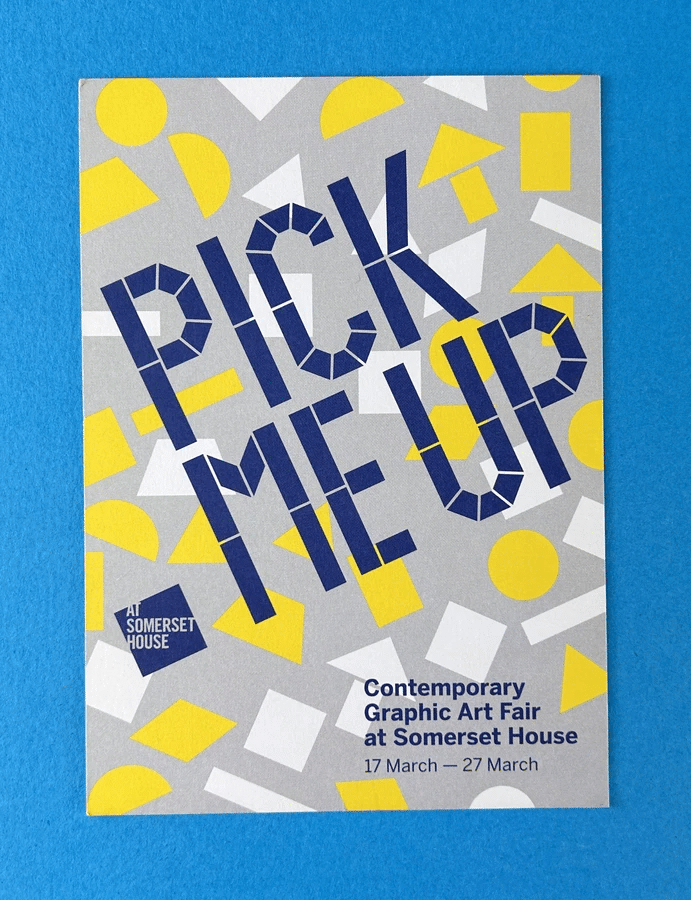
You can see the slight grain on the Pick Me Up poster here which is printed onto our 'house' uncoated.
Finding a balance between cost and quality is key when selecting a printing service. Look for A1 poster printing services that offer competitive pricing without compromising on the quality of materials and printing technology. Affordable options should also include perks such as fast turnaround, order online convenience, and free UK delivery. Reading customer reviews and examining samples can help you assess the quality of a service, ensuring you receive high-quality A1 poster printing that meets your expectations and budget.
The Importance of Turnaround Time and Customer Service
Whether promoting an upcoming event or launching a new product, timely delivery of your A1 posters is crucial. Choose a poster printing service with a proven track record of fast turnaround times and reliable delivery. Excellent customer service is also vital, as it ensures any queries or issues you have can be swiftly addressed. A responsive and helpful customer service team can significantly enhance your printing experience, ensuring your needs are met with professionalism and care.
Design Tips for Stunning A1 Posters
Maximising Visual Impact with the 594mm x 841mm Size
The substantial size of A1 posters offers a fantastic canvas for showcasing your creative designs. To maximise this space, focus on creating a balanced composition that guides the viewer’s eye across the poster. Utilise high-quality, high-resolution images and bold, legible typography to ensure that your message is clear, even from a distance. Additionally, consider the use of negative space to prevent your design from appearing cluttered, allowing your key message to stand out.
Choosing the Right Artwork and Photos for A1 Print
Selecting appropriate artwork and photos is crucial for the success of your A1 poster. These elements should not only be visually striking but also resonant with your brand identity and the message you wish to convey. Ensure that all visuals are of high resolution to avoid pixelation when printed at the large A1 size. Additionally, considering the colour scheme in relation to the CMYK printing process will help in achieving vibrant and accurate colour reproduction.
Tips on Ensuring Your Design Is Print-Ready
Before sending your design for printing, several steps must be taken to ensure it is print-ready. This includes converting colours to the CMYK colour model, ensuring all fonts are embedded or converted to outlines, and setting the correct resolution. Providing a bleed in the design can also be crucial, as it prevents any unintentional white borders from appearing after cutting. Checking with your chosen A1 poster printing service for specific file requirements can save time and ensure your posters come out exactly as intended.
Future of A1 Poster Printing: Trends and Innovations
How Digital Technologies are Redefining A1 Poster Printing
The advancement of digital technologies has significantly impacted A1 poster printing, offering new possibilities for creativity and efficiency. Innovative printing techniques now allow for faster printing speeds, higher quality outputs, and reduced costs. Additionally, digital platforms facilitate easy customization and order online capabilities, enabling customers to design and print a1 posters seamlessly from the comfort of their homes or offices. These technological advancements are streamlining the printing process, making high quality a1 poster printing more accessible and versatile than ever.
Sustainability in Printing: Eco-Friendly Materials and Practices
Environmental sustainability has become a crucial concern in the printing industry. In response, many A1 poster printing services are adopting eco-friendly practices, such as using recycled poster paper or sustainable inks. These green initiatives not only reduce the environmental impact of printing but also appeal to environmentally conscious consumers. As sustainability continues to gain prominence, choosing a printing service that prioritises eco-friendly materials and practices can enhance your brand image and contribute to a healthier planet.
Emerging Needs: Custom Printing Options and Indoor vs. Outdoor Posters
As businesses and creatives seek to stand out in a crowded marketplace, the demand for custom printing options is on the rise. A1 poster printing services are evolving to meet these needs by offering a wide range of customisation options, from unique finishes like gloss or lamination to specialised materials for indoor or outdoor use. With these advancements, customers can tailor their posters to specific requirements, ensuring their advertising or artistic endeavours make the strongest possible impact.
A1 Art Print Frequently Asked Questions
Q: What is Ex Why Zed's process for A1 poster printing in the UK?
A: At Ex Why Zed, we've simplified the process to make getting your A1 poster prints as easy as possible. Simply upload your artwork through our website, and a member of our team will contact you to confirm the details. Our state-of-the-art large format printing ensures your posters are of the highest quality and ready to make a statement wherever they're displayed.
Q: Can I print A1 posters suitable for outdoor use?
A: Absolutely! Our A1 posters are ideal for both indoor and outdoor settings. We offer a variety of paper types, including outdoor poster paper that is perfect for outdoor use. This ensures your posters can withstand the elements and remain vibrant and impactful over time.
Q: What size poster printing options do you offer besides A1?
A: While A1 size posters are among the most visually stunning, we also offer a range of sizes to suit your needs, including A0, A2 posters, a3 posters, and A4. Our team can help you choose the best size for your project, ensuring your message is viewed from a distance or up close, as needed.
Q: How can I ensure high quality A1 poster printing for my photo prints?
A: For high-quality photo prints, we recommend selecting our 190gsm satin paper which provides excellent colour reproduction and is suitable for a wide variety of poster designs. This option ensures your pieces of artwork are showcased in stunning detail and colour depth, perfect for galleries, exhibitions, or retail environments.
Q: Are cheap A1 poster printing services available without compromising on quality?
A: Absolutely! We believe in providing our customers with affordable options without sacrificing quality. Our cheap A1 poster printing services are designed to offer competitive prices while ensuring your posters are printed on high-quality materials with vibrant, accurate colors.
Q: Can Ex Why Zed handle large format printing for projects near London?
A: Yes, regardless of your location in the UK, whether that be London, Colchester or further afield, Ex Why Zed has the capabilities to handle large format printing for any project. Our skilled team uses the latest in printing technology to produce quality prints that suit your needs, whether for personal or professional use.
Q: How do I choose the right paper type for my A1 posters to be printed on?
A: Choosing the right paper type depends on the purpose of your poster. For indoor posters, we have a variety of options that will suit different indoor conditions. For posters that need to be durable and suitable for outdoor use, we recommend our outdoor poster paper options. Our team is always available to advise on the best paper type to match your poster designs and application.
Q: Is it possible to print A1 size posters from my own artwork?
A: Yes, it certainly is! At Ex Why Zed, we encourage you to upload your artwork for your custom A1 size posters. This way, you can truly make a statement with your custom designs. Our team is here to ensure the printing process brings your vision to life with quality prints and vibrant colours.
Rather we printed it properly?
Your project deserves better than a home printer.
You've got the know-how — now let us do it for you. From first zines to 500-copy hardbacks, we've printed it all since 2006: beautifully bound, every file checked by a real person, and delivered on your deadline.