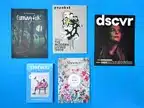
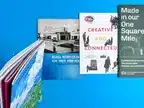
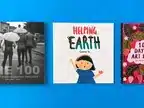
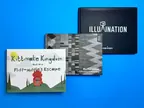
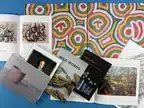
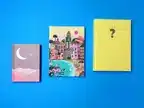
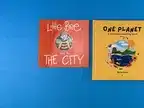
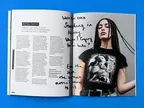
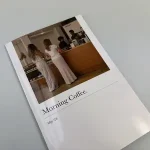
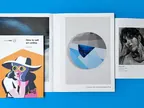
Lighter cover stocks are replacing rigid heavyweight covers to reduce costs and improve usability
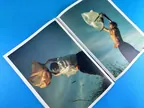
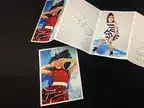
Gloss interior pages are returning in photography books for stronger colour and contrast
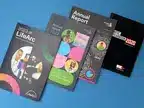
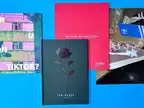
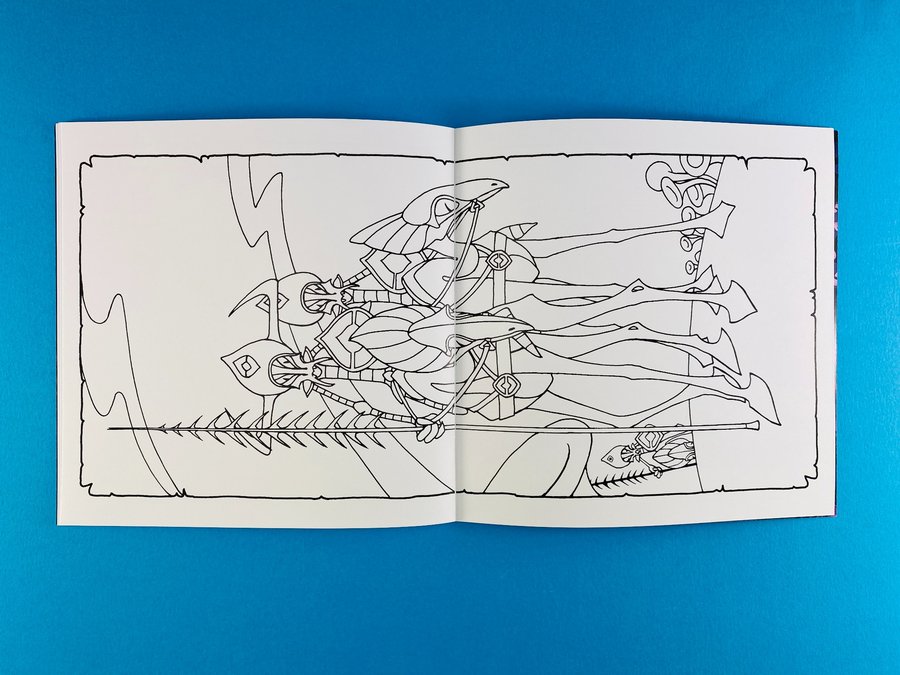
Colouring books are emerging as a viable print format for both children and adults
Shorter print runs are becoming standard due to digital printing industry trends
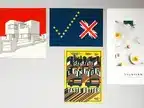
Interior paper experimentation is increasing to enhance rhythm and the reader's experience
Print is being designed for slower, screen-free engagement
Production planning is moving earlier in the creative workflow
Print specialists such as Ex Why Zed are supporting these trends by enabling more flexible formats, materials, and production choices.
The print industry is entering a period of meaningful change. Rising material costs, shorter attention spans, and shifting reader expectations are prompting creators to reassess their long-standing print decisions. What once felt like safe defaults around paper, format, and volume no longer deliver the same value, especially for independent publishers and creative studios.
At the same time, this evolution opens new opportunities. Print in 2026 is becoming more intentional, more tactile, and more closely aligned with how people want to engage with physical media. These changes go beyond aesthetics. They influence production planning, cost efficiency, and the overall experience of reading and interacting with printed work.
This article explores print trends shaping 2026 and what they mean for creators, from material choices and finishes to shorter print runs and earlier production collaboration. The sections ahead offer insight into how the print industry is adapting and how you can make informed decisions.
What Are the 7 Key Print Trends Defining 2026?
The key 2026 print trends focus on intentional design, flexible production, and improved reader experience. Publishers are rethinking materials, finishes, and workflows to create printed work that is more usable, engaging, and better aligned with modern creative and production realities.
1. Lighter Cover Stocks Are Replacing Heavyweight Covers
For years, thicker covers were widely associated with quality. In zines, art books, and photobooks, 300 to 350 gsm covers became common, even when they made books harder to open and more expensive to produce.
In 2026, many publishers are moving toward 200 to 250 gsm cover stocks as a more balanced alternative.
This shift is driven by clear practical benefits:
Lower paper and shipping costs
Improved flexibility and ease of handling
Reduced spine stress and cracking
Better alignment with shorter print runs
Lighter covers feel more approachable for readers while allowing publishers to manage costs without undermining perceived value. This is one of the clearest printing market trends showing that quality is increasingly defined by usability, not weight.
2. Colouring Books Are Emerging as a Serious Print Format
Colouring books are no longer limited to children’s publishing. Illustrators, designers, and independent artists are increasingly repurposing existing artwork into colouring formats that appeal to both children and adults.
Their growing popularity is driven by several factors:
Active participation rather than passive reading
A tactile, calming experience
Extended life for existing creative work
Strong links to mindfulness and wellbeing
Research into adult creativity shows that colouring activities can support focus and stress reduction. According to a 2024 peer-reviewed study published in the National Library of Medicine (PMC11197346), structured colouring tasks were associated with reduced anxiety and improved attentional engagement in adults, reinforcing their value beyond casual entertainment.
3. Gloss Interior Pages Are Returning in Photography Books
Matte interior pages dominated photography publishing for years because they felt safe and unobtrusive. However, as visual styles evolve, many photographers are reconsidering how their images perform on the page.
Gloss and semi-gloss interior stocks are returning because they deliver:
Higher contrast and deeper blacks
Stronger colour vibrancy
Greater visual energy and depth
Better alignment with contemporary photographic aesthetics
This is not a universal shift back to gloss. Instead, designers are using it selectively, often pairing gloss interiors with restrained covers or combining finishes within a single book. Among print trends 2026, this reflects a move away from inherited preferences toward decisions based on image performance.
4. Shorter Print Runs Are Becoming the Creative Standard
Large print runs once signalled confidence. In 2026, they often represent unnecessary risk.
One of the most influential digital printing industry trends is the move toward smaller, more controlled print runs. Instead of committing to large quantities upfront, publishers are choosing batches that can be reprinted, refined, or adjusted based on demand.
Shorter runs offer clear advantages:
Lower upfront financial commitment
Easier updates and corrections
Reduced storage and waste
Faster reader feedback
This approach allows creative publishers to respond to real demand rather than forecast it. It also supports iterative design, where each edition can evolve. As a result, shorter runs have become central to modern printing industry trends.
5. Interior Paper Experimentation Is Increasing
Uniform interior paper stocks are giving way to more considered material choices. Designers are increasingly using paper variation to influence pacing, emphasis, and reader experience.
Common strategies include:
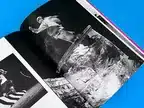
Uncoated text pages paired with coated image sections
Heavier stocks for chapter openings
Subtle texture changes to mark transitions
Paper choices that support specific colour or line work
This trend reflects deeper engagement with materiality across both offset printing trends and digital workflows. Interior paper experimentation treats paper as part of the narrative, rewarding readers who spend time with the physical object.
6. Print Is Being Designed for Slower, Screen-Free Engagement
One of the most human-centred print trend 2026 is the intentional slowing down of the reading experience. As screen fatigue increases, print is being positioned as a space for focus and immersion rather than speed.
Design choices supporting this include:
Generous margins and white space
Comfortable type sizes and line spacing
Tactile, natural paper stocks
Formats that encourage lingering
Print is no longer competing with digital convenience. It is offering a different kind of value, reinforcing its relevance within modern printing market trends. Newsletters are a natural fit for this slower kind of reading, and our print newsletter design ideas use layout, colour and structure to turn a quick skim into a proper read.
7. Production Planning Is Moving Earlier in the Creative Process
One of the most impactful print trends in 2026 happens before anything is printed. More publishers and designers are involving printers during concept and planning stages rather than after layouts are finalised.
Earlier production involvement leads to:
Fewer compromises at the press stage
Better alignment between design and materials
More accurate budgeting
Smoother, more predictable timelines
For creative publishers working with specialist printers like Ex Why Zed, early collaboration enables experimentation without unexpected costs or technical constraints. This trend highlights a growing respect for print as a collaborative craft rather than a final step.
Together, these trends show that print in 2026 is becoming more deliberate and experience-led. For creators, this shift offers greater control, reduced waste, and stronger connections between design intent and final output.
Looking for inspiration for your next print project? This guide explores creative art book ideas, from experimental formats to thoughtful material choices, helping you turn concepts into printed work that feels distinctive and intentional.
How Do Digital Printing Industry Trends Influence Print in 2026?
Digital printing continues to reshape how creative print projects are developed in 2026. Rather than treating print as a fixed, one-time decision, publishers and designers can now approach production as an evolving process. This shift allows ideas to be tested, refined, and improved without the constraints of large print commitments.
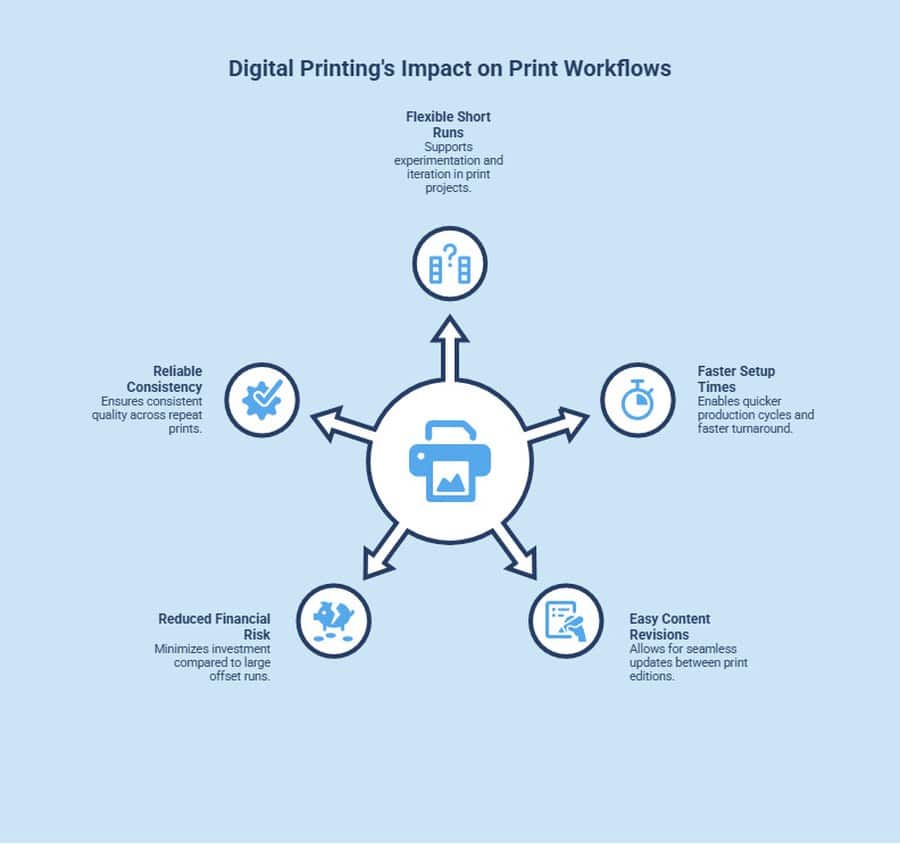
Key ways digital printing influences modern print workflows include:
Flexible short runs that support experimentation and iteration
Faster setup times, enabling quicker production cycles
Easy content revisions between editions
Reduced financial risk compared to large offset runs
Reliable consistency across repeat prints
These advantages play a central role in supporting print trends 2026, particularly for audience-led publishing and experimental formats. As a result, digital printing is no longer just a production option. It has become a strategic tool that allows creators to respond to demand, refine their work, and produce print that remains relevant and intentional.
Planning a catalogue as part of your next print project? This guide breaks down the best catalogue printing options in the UK, covering formats, paper choices, and finishes that balance usability, cost, and visual impact.
What Offset Printing Trends Still Matter in 2026?
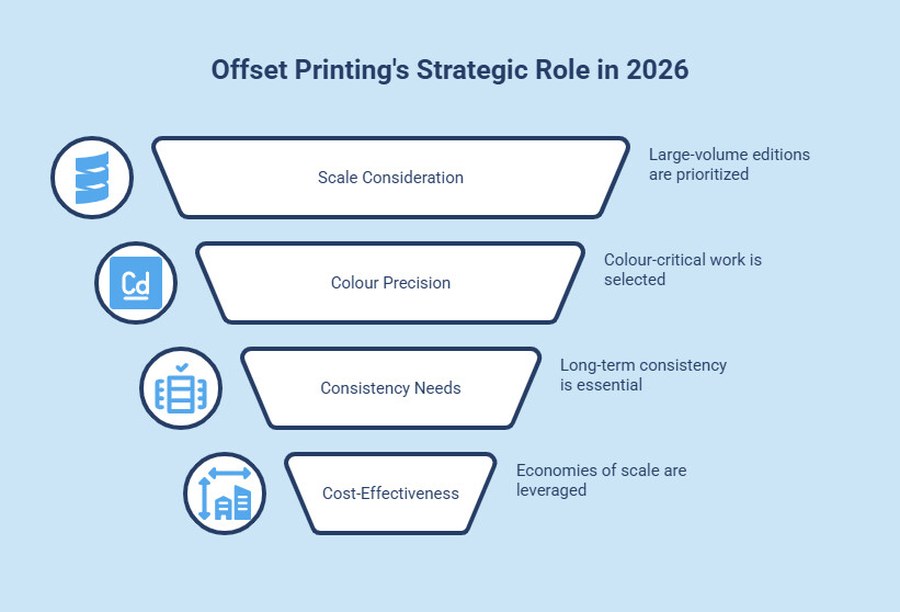
While digital printing continues to grow, offset printing remains a deliberate choice in 2026. It is used for high-volume projects where colour accuracy, consistency, and reliable results across long runs are essential.
1. Offset Printing for Large-Volume Editions
Offset continues to perform best when print runs reach higher volumes. For photobooks and publications with wide distribution, the cost per unit decreases significantly as volume increases, making offset economically efficient at scale.
2. Offset Printing for Colour-Critical Work
Projects that rely on precise colour reproduction benefit from offset’s ability to maintain consistency across thousands of copies. This is particularly important for image-heavy books, fine art publications, and brand-sensitive materials.
3. Offset Printing for Long-Term Consistency
When publications are printed across multiple batches or reprints, offset ensures visual continuity. This reliability supports long-term publishing strategies where consistency matters more than speed or flexibility.
4. Offset Printing and Economies of Scale
Offset printing remains the most cost-effective option when large quantities are required. Once setup costs are absorbed, it offers predictable pricing and quality, making it ideal for mature projects with stable demand.
In 2026, offset and digital printing are no longer competing technologies. They operate side by side, with offset supporting scale and consistency, and digital enabling experimentation, short runs, and rapid iteration.
Creating a photobook that truly does justice to your images takes more than good design. This guide on best photobook printing explores paper stocks, finishes, and binding options to help you produce photobooks with depth, clarity, and lasting visual impact.
How Ex Why Zed Supports Creative Print in 2026
As print production becomes more intentional in 2026, creators increasingly need partners who understand both creative ambition and production reality. Many of the print trends shaping this shift, from lighter materials to shorter runs and earlier collaboration, depend on printers who can translate ideas into well-executed physical outcomes.
Ex Why Zed specialises in short-run book printing and on-demand printing for independent publishers, artists, photographers, and designers. The focus is not on volume for its own sake, but on helping creators make informed choices at every stage of production, from paper selection to final finishing.
Ex Why Zed supports modern creative print through:
Expert guidance on paper stocks, including uncoated, coated, recycled, and speciality papers
Support for mixed paper interiors, allowing variation in texture and weight to enhance narrative flow
Flexible cover options, including lighter stocks that improve usability and reduce production costs
Selective finish advice, such as when to use gloss, matte, or uncoated interiors for visual impact
Early production consultation, helping creators resolve technical decisions before files are finalised
Consistent colour management, especially for image-heavy and photography-led publications
Binding options suited to creative formats, supporting zines, photobooks, and experimental layouts
Free paper sample packs and complimentary file checks, allowing creators to test and refine decisions before printing
Free UK delivery by tracked courier, with shipping available to the USA and worldwide
This approach allows creators to experiment without overcommitting, refine their work across editions, and maintain control over both creative and financial outcomes. Rather than treating print as a final step, Ex Why Zed treats production as part of the creative process itself.
If you are planning a print project for 2026, start the conversation early.
Contact Ex Why Zedto discuss your project and get expert guidance on your print.
Final Thoughts
Print in 2026 is defined by intention rather than tradition. Lighter materials, flexible print runs, thoughtful finishes, and earlier collaboration are reshaping how creative work is produced and experienced. For publishers and creators, these shifts offer greater control, reduced risk, and stronger alignment between design and outcome.
By understanding these trends and choosing production approaches that match both creative goals and reader behaviour, print can remain relevant, engaging, and sustainable well beyond 2026.
Frequently Asked Questions
Which emerging print design techniques are expected to gain popularity in 2026?
In 2026, print design will increasingly feature tactile finishes such as textured varnishes, selective gloss, and layered stocks, reflecting key trends in the industry. AI-assisted design experimentation and digitally streamlined workflows will also support faster iteration, improved efficiency, and more distinctive printed outcomes.
What new print styles are creators most excited about in 2026?
Creators are particularly excited about the return of playful, nostalgic prints. Vintage florals, bold polka dots, and expressive patterns are reappearing across book covers and creative print formats, offering warmth, personality, and a clear break from minimalism.
What are the top print and pattern trends for spring and summer 2026?
Spring and summer 2026 print trends feature bold stripes, oversized polka dots, and romantic vintage florals. These expressive patterns, including abstract prints, emphasise optimism and nostalgia, appearing across fashion, publishing, and creative print inspired by recent runway and editorial design directions.
How are the 2026 print trends different from previous years?
Unlike previous years, 2026 print trends prioritise tactile experience, sustainable decision-making, and integrated production planning, highlighting the convergence of these elements. There is a stronger focus on how print feels, functions, and is produced, rather than relying solely on visual impact.
How might 2026 print trends impact the printing industry?
The printing industry will continue shifting toward flexible workflows, shorter print runs, and increased personalisation. These trends encourage operational efficiency while allowing printers to meet growing demand for sustainability, customisation, and faster turnaround without sacrificing quality, ultimately opening up new revenue streams.
What colour trends are expected in print for autumn and winter 2026?
Autumn and winter 2026 print designs are expected to feature warm neutrals, earthy tones, deep blues, muted greens, and soft metallic accessories and accents. These colours support tactile materials and slower reading experiences, reinforcing print’s role as a calming, immersive medium.
Which print trends for 2026 are designers focusing on for women’s fashion?
Designers are focusing on expressive, nostalgic prints for women’s fashion in 2026. Vintage florals, bold polka dots, and graphic stripes are returning, paired with softer colour palettes and tactile finishes that emphasise individuality, playfulness, and emotional connection.
Rather we printed it properly?
Your project deserves better than a home printer.
You've got the know how, so now let us do it for you. From first zines to 500 copy hardbacks, we've printed it all since 2006: beautifully bound, every file checked by a real person, and delivered on your deadline.