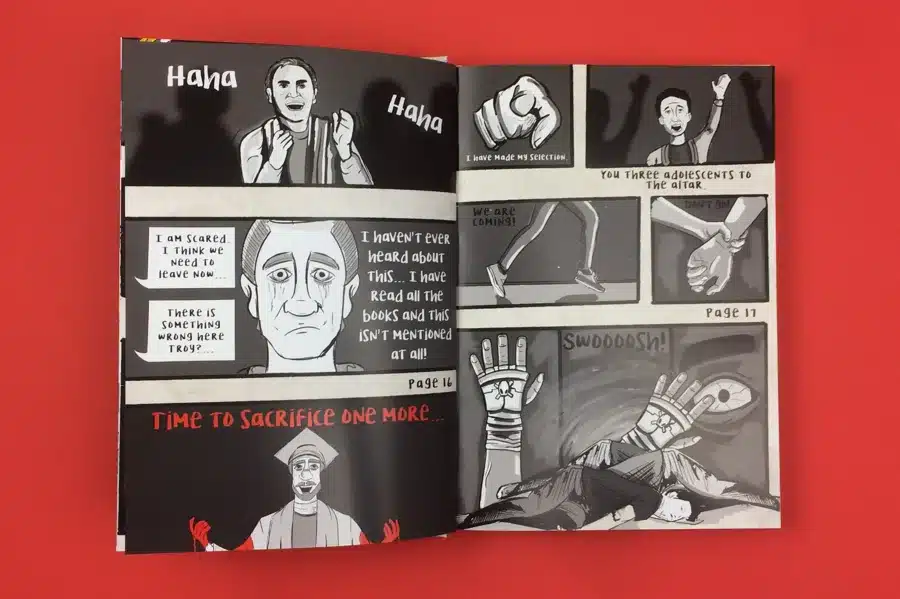
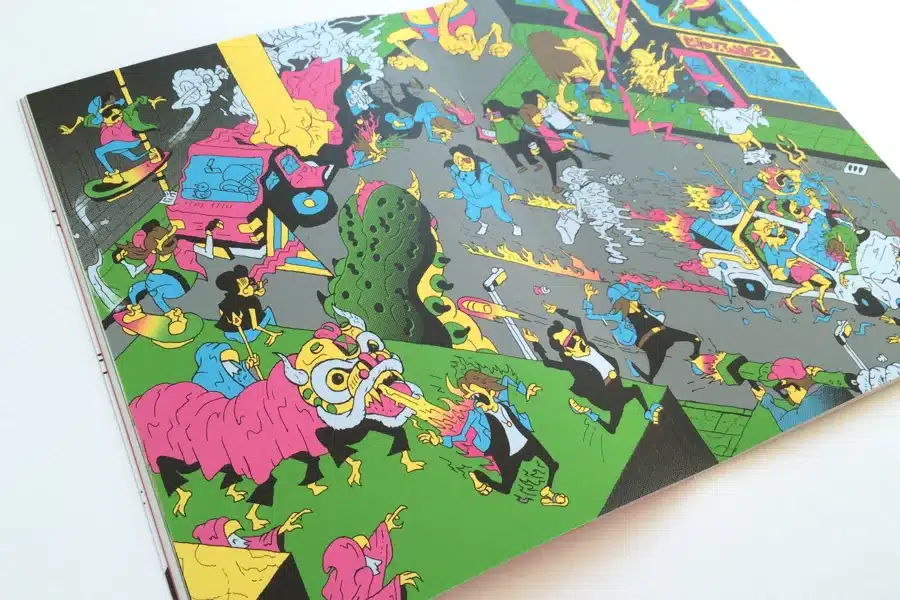
In the ever-evolving landscape of storytelling, comics have carved out a vibrant, unmistakable niche. With their perfect fusion of striking visuals and compelling narratives, comics don’t just tell stories—they immerse you in them. Whether it’s the rush of a high-flying superhero chase or the warmth of a nostalgic strip from childhood, comic books have a magical way of connecting with readers of all ages.
But have you ever paused to wonder—how do these colourful, action-packed worlds actually come to life? Who dreams up the characters, pens the dialogue, or brings motion to still images?
Now’s your chance to peel back the curtain. This behind-the-scenes guide takes you through the thrilling journey of comic book creation—from that first spark of an idea to the moment it lands in your hands, presenting a visual history. Discover the key stages, meet the unsung heroes behind the panels, and pick up practical tips if you're dreaming of creating your own comic masterpiece.
What Is The Process For Comic Book Creation?
Creating a comic book is more than just art and dialogue—it's a creative dance of storytelling, design, and precision. From plotting and scripting to sketching, inking, colouring, and adding captions and lettering, every stage builds toward a vivid, unified narrative. Add your unique flair, and it becomes more than a book—it becomes art.
Coming up with an idea and concept
The very foundation of comic book creation lies in formulating a compelling idea that would resonate with readers. The core idea is intrinsic to the plot, characters, dialogues, ambiance, and every essential detail of your comic book. Be it a humorous narrative, a fantasy realm, an action thriller or sci-fi territory – a strong, engaging concept guides it all.
You could start by thinking about what kind of stories genuinely interest you. Do superheroes intrigue you, or are you more drawn towards mysteries and detective narratives? Do you prefer writing complex, multi-layered stories, or do you love simplistic, slice-of-life tales? Sketch out the characters, putting yourself in their shoes. Visualize the settings, sequences, climaxes, and plot twists. Understandably, this process could go through multiple rounds of brainstorming, discussions, and revisions. However, make sure that your idea stands distinct, yet relatable - something that excites you enough to narrate and captivate readers elicit interest.
Collaboration at this stage, especially with fellow writers or comic enthusiasts, often gives birth to fresh perspectives. They point out any incongruities, ask questions that you might overlook, and contribute to refining your concept. Remember, it's not rushing through but nurturing your idea at this stage that paves the way for a successful comic book.
Developing the script and plot structure
Once your concept is well-established, developing a structured plot and script is the subsequent step. This crucial phase maps out the narrative direction, conversations, sequencing, and essential details and guides the visual artwork for the comic. In essence, comic scripting shares similarities with screenwriting or playwriting but within the boundaries of comic structuring.
Like any story writing, the plot should ideally have an engaging introduction, rising action, climaxes, and resolution. The script further breaks these parts down into sequences and scenes across different pages and panels of the comic. It describes each scene's settings, the actions that characters undertake, and the dialogues exchanged, ensuring the dialog enriches the narrative. Instructions for the artist concerning elements like close-ups, long shots, panel layouts, and sound effects are also usually part of a full script.
There's a variant approach in comic scripting known as the 'Marvel-style,' a kind of plot script where the artists work on setting the narrative visually based on a story outline. Later, the writer comes back to fill in the precise dialogues. Whether you choose to lean towards the full scripting process or the Marvel style, each has its benefits and can give different results.
Scripting demands clarity, focus, and brevity, given the limited space and visual dominance in comics. Even so, the written word's power is unmistakable, breathing life into dialogues and bridging thematic undercurrents. It's the backbone that supports and enhances the visual storytelling in a comic book.
Creating or collaborating with artists
The visual representation of your script conveys the feel, action, and ambient tone of your comic book. Hence, crafting the artwork, whether you're an illustrator yourself or collaborating with one, is a vital phase in comic creation. Establishing effective communication with fellow artists becomes crucial if you're writing but not illustrating the comic yourself.
Allow your artists to understand your vision, discuss the styles that would complement your narrative, and stay open to their creative suggestions too. After all, they bring in a wealth of expertise in visual composition, colour theory, panel structuring, and so much more. Moreover, a comic book is a collective artistic expression where both the script and the illustrations interweave seamlessly for an engaging reader experience.
During the process, it's beneficial to exchange rough sketches or versions between the writer, artist, and the editor (if there is one involved). It helps promote clarity, and nip any inconsistencies in the bud, ensuring everyone is on the same page before moving forward to more detailed work.
The importance of settling on a consistent style cannot be overstressed. Whether it's the character sketches or the broader aspects like the colour palette or background detailing – maintaining visual consistency is crucial for fostering audience recognition and also for honoring your comic book's signature style.
Pencil sketching
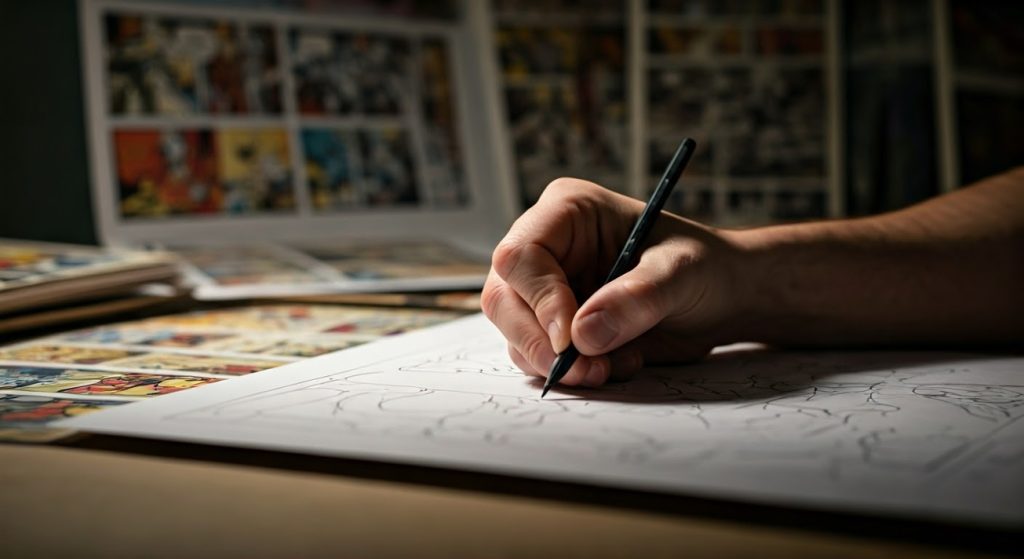
Pencil sketching forms the embryonic stage of the visual artistry in a comic book. Artists commence by creating thumbnail sketches for each page as per the script, conceptualizing how to pictorially depict each scene. They ascertain the arrangement of different scenes on a page, balance the visuals with the dialogues or narratives, and ensure the story's momentum keeps the audience interested.
Detailed, full-sized pencil drawings follow these rough thumbnails. While drawing, one critical aspect artists consider is that the panels' positioning guides the readers' eyes in the intended sequence of action. The sketches are drawn lightly with a hard pencil first, then gradually the outlines are darkened, and finer details are filled in, including options for digital enhancements in programs like Photoshop. It creates the basic blueprint of your comic from which the inkers later work.
Inking
Although often assumed to be a mere tracing of pencil sketches, the inking phase is more nuanced in comic art. The inker embarks on translating the penciled art into definitive crisp illustrations using various line widths, textures, and shadows to enhance the depth and detailing. Strategic inking helps separate the foreground from the background, benefits clarity and adds dimensions to the imagery.
Inkers often choose from traditional tools like quills, brushes, or pens; however, digital inking with tablets and software has rapidly grown popular in recent years. It's worth mentioning that inkers add their distinctive touch to the artwork, impacting its overall aesthetic feel. Therefore, the importance of finding an inker compatible with your style cannot be stressed enough.
Colouring
Introducing colours breathes life into the inked comic art. Colouring is an optional step for black-and-white comics, but in coloured comics, it provides the visual mood, highlights various elements, and adds depth to the narrative.
Colourists use colour codes assigned by the computer, each reflecting the blend of four primary colours - cyan, magenta, yellow, and black. Using varying concentrations of these four colours gives rise to thousands of distinct shades. For instance, a certain shade of red may have a code like M80Y87, denoting 80% magenta and 87% yellow. Colour consistency is vital here, especially for recurring elements in the story.
A proof copy is generated after the colouring process, followed by plates for each component colour for printing.
Lettering
Area
Description
Dialogue
Verbal exchange between characters.
Narratives
Phrases or sentences that set the context.
Sound Words
Words that depict auditory aspects of the scene.
Lettering in a comic book is the textual companion to its artwork. In addition to inlaying dialogues, narratives, and sound words, lettering plays a subtle yet critical role in enhancing the overall look and readability of the comic. The choice of font style, size, arrangement, and the shapes of the dialogue balloons impact the tone and pace of the storyline. Callouts for sound effects like "BOOM!", "CRASH!" or "WHAM!" are also strategic elements flavored by the art of lettering.
Editing and refining the story and artwork
Once pencil sketching, inking, colouring, and lettering steps are wrapped up, the editing and refining process moves into focus. Given the multi-layered work involved in comic book creation, including digital comics, the final edits can uncover overlooked errors, suggest artistic improvements, correct text for clarity or brevity, or even address continuity issues.
While each phase of the comic creation involves some level of editing, an exhaustive review is generally done after all the pages, including webcomics, the front and back covers, have been sketched, inked, coloured, and lettered. Here the creators critically look over each aspect, the visual layout, the text placements, image resolution, the colour saturation, and anything else that can impact the comic's aesthetic appeal and reader engagement.
Several rounds of edits might be needed, often involving interaction between the writer, artist, colourist, inker, and sometimes an external editor or publisher too. The digital workflow has immensely eased out this process enabling convenient sharing, updating, and approval methods. That said, while digital tools facilitate the procedure, editing remains a keen-eyed, fine-tooth-comb exercise.
But this rigorous work indeed pays off! Effective editing and refining drive the clarity, readability, and harmony of the comic book, contributing to a polished finished product that can proudly flaunt the efforts invested in it.
Printing and Publishing
Printing constitutes one of the final stages in the process where creators get to see their labor finally taking tangible form in the finished comic book. Depending on the size of the operation, which can range from small independent publishers to large-scale businesses, different printing methods come into play. Broadly, it involves arranging individual pages in order, making photocopied enlargements of the completed pages, preparing cyan, magenta, yellow, and black ink plates for printing, and binding the printed sheets with staples or glue.
Recent advancements have ushered sophisticated techniques like digital direct-to-plate systems, offering precise colouring and optimal usage of ink and paper. Regardless of the method employed, seeing your cherished project crisp and colourful on printed pages is undoubtedly an experiential joy.
Lastly, the tireless journey wraps up with the critical task of comic book distribution and marketing. If you're an independent creator or a small-scale publisher, connecting with comic book stores, and distributors, and setting up sales on online platforms will be a major focus now. Attend comic cons, leverage social media platforms, tie up with reviewers – exploring every nook and corner of potential visibility. This step, while being challenging, is equally rewarding when your comic book starts to gather appreciation and an eager fanbase.
Comics and graphic novels: from first idea to print-ready format
Every comic project sits somewhere between raw creative spark and disciplined visual storytelling. Our guide to zine vs comic helps clarify the role of each format, especially for creators working with illustration, sequential panels or hybrid publications. A comic often depends on pacing, narrative flow and panel structure, while a zine can allow looser, more experimental expression. Knowing that early helps shape the layout, page count and final printed feel.
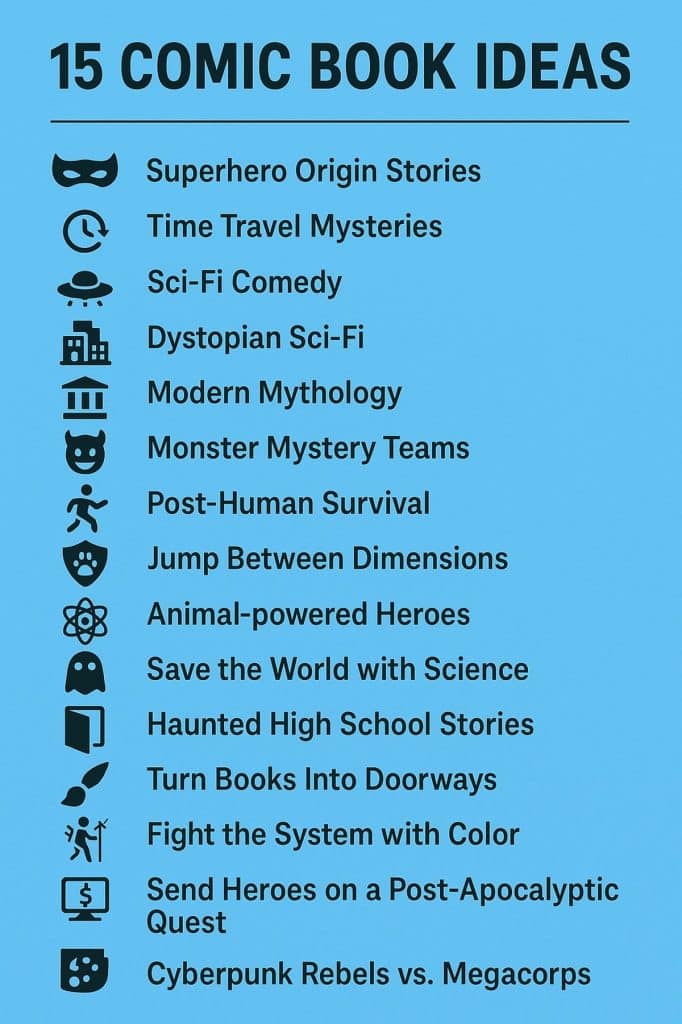
From there, the practical decisions start to matter. Our article on how much it costs to print a graphic novel looks at the factors that shift the budget, including trim size, page count, colour, paper and binding. Meanwhile, comic book ideas offers a lively creative starting point for writers and illustrators who need a spark before they begin building a full story. Together, these resources support creators from concept development through to a book that reads well, prints cleanly and feels right in the hand.
If you would like a test copy first then it’s best to allow an extra week for us to print, deliver, look through and make tweaks.
What Are Some Key Roles in Comic Book Production?
Behind every engaging comic book, there's a diverse team of specialists working in unison. Each person plays a significant part in shaping the comic, right from conceptualizing to the final printing stage. Essential roles include the writer who scripts the storyline and illustrator who creates the artwork, the inker who defines the illustrations, the colourist who breathes life into the sketches, the letterer who integrates dialogues and narratives, and the editor who ensures coherent storytelling. Let's delve deeper to understand these roles.
Writer
Storytelling lies at the nucleus of a comic book, and it's the writer, like Neil Gaiman, who orchestrates this narrative. The writer spins engrossing tales with engaging plot twists, constructs relatable, complex characters, and vivifies each moment with crisp dialogues. They combine creativity with strategic plotting to ensure the script fits within the limitations of panel placements and page numbers, without diluting the gripping charm.
A comic book writer does more than penning down the storyline. Oftentimes they collaborate extensively with the artists and editors, setting the foundation of the drawings that would bring their script to life. This stage involves mutual discussions, feedback acceptances, alterations, and attention to intricate details that tie in the visual elements cohesively into the narration. It's indeed an essential role that sets the tone and pace of the comic, offering readers a unique experience of visual storytelling.
Illustrator
The illustrator brings the writer's words to life, giving form, expression, and movement to the characters and environments in the comic book. Each panel they create represents a moment in the story and is tasked with visually propelling the story forward. Through their art, the illustrator has the power to dictate the mood, atmosphere, and pacing of the narrative seamlessly.
Suspending reality and creating a believable fantastical universe, or crafting illustrations that echo mundane realism - the range is versatile in the hands of the artist. Be it sketching, inking, or applying colour, illustrators work closely with the writer, evolving the preliminary outlines to final accurate visual depictions adding tiny nuances to enhance the readers’ experience subtly. One cannot downplay the artist's unique style, which gives the comic a distinct personality and feel.
Colourist
Adding vibrancy and depth to the comic book illustrations is the magic cast by the colourist. They employ colour to accentuate the mood, time of day, location, or emotion in a scene. For instance, darker shades could symbolise a threat lurking in the sequence, whereas warmer hues might hint at a romance brewing.
The colourist has a keen eye for detail and excellent colour knowledge, discerning where to focus reader attention via strategic colour application. They are skilled in choosing palettes that enhance the story's visual aesthetic while maintaining continuity throughout. In some ways, colourists are like cinematographers of the comic world, lighting each panel in a way that enhances the storytelling.
Letterer
A comic book relies on both visuals and words to narrate a story, and letterers play a critical role here. They're responsible for adding dialogues, narratives, and sound words to the artwork, including hand lettering. A dialogue bubble's shape, font style, and positioning help emphasize plot elements and character tones.
Do you hear the ‘BOOM!’ in an action sequence or the 'SLAM!' when a door shuts? Or maybe you notice a whisper through a wispy, thin font? Credit the letterer who subtly guides your experience with varied textual elements in the comic book. Their work ensures words seamlessly blend with the images, highlighting sounds, emotions, and interactions without obstructing the art.
Editor
In the realm of comic book creation, an editor’s contribution is akin to a curator and quality controller. They synchronize the workflow between the writer, artist, colourist, and letterer, ensuring cohesive delivery of the story. Wearing multiple hats, an editor checks the conceptual continuity, artistic consistency, and textual grammar and clarity throughout the stages of comic book development.
Editors provide valuable input during the initial discussions regarding plot and character development. They continually review the work-in-progress for any inconsistencies or errors, suggesting rectifications or enhancements when needed. They maintain an overall purview of the pacing and readability, ensuring that storytelling does not falter anywhere.
An editor's role becomes particularly crucial when working on longstanding series or comics featuring renowned characters, where maintaining consistency is paramount.
Tips for Aspiring Comic Book Creators
Ready to dive into the thrilling world of comic book creation? Whether you’re writing, drawing, or both, success comes from collaboration, consistent practice, developing your own style, and learning from the greats.
Let’s explore these tips and bring your comic vision to life!
Collaborate with others
Comics are a visual venue that thrives on collaboration. Teaming up with individuals who share a passion for storytelling can yield remarkably synergistic results. Notably, when you're starting, collaborating can be additionally beneficial as it lets you focus on areas you excel at while learning from others' skills and knowledge.
Join writer or artist communities: Actively participating in forums, conventions, or meetup groups allows networking with fellow comic enthusiasts. Collaborate on projects with them or initiate one yourself.
Share your work: Be open about your work-in-progress. Sharing often invites constructive feedback and perspectives you might not have considered.
Learn to delegate: If your script is your strong suit, but illustrating isn't, consider roping in artists. Knowing when to seek help can be crucial in creating quality work and reducing overwhelm.
Communicate clearly: If you're teaming up with others, ensure clear communication of your ideas. Open discussions and respectful acceptances of feedback go a long way in positive collaboration.
Practice regularly
Drawing every day might be intimidating initially, but regular practice refines your skills, helping you find your unique style. Writing too needs daily discipline to evolve and improve. Even professionals practice consistently, honing their craft each day.
Make it a habit: Dedicate a specific time slot each day to draw or write. Flexibility is okay, but regularity is key.
Set achievable goals: Avoid overburdening yourself. Starting with smaller sketches or shorter scripts can be less overwhelming and more rewarding.
Learn from the best: Dissect and study your favorite comics. Practice drawing their characters, mimicking their storytelling. It serves as a great learning experience.
Experiment: Do not feel restricted by a particular style initially. Dabble in varied styles, genres, and techniques until you find something that resonates with you.
Develop a unique style
Your style sets you apart in the vast sea of comic creators. This distinctive flavor is not always about specialized artwork or unusual storytelling but has much to do with the personal essence you infuse into your work.
Identify what you love: Your style often reflects what you enjoy the most in art. Define the very elements you love incorporating in your work.
Stay authentic: It may be enticing to emulate popular creators, but sticking to your voice adds an original touch to your comic that audiences often appreciate.
Consciously build: Developing your signature will not happen overnight. It requires conscious crafting and revisiting your work.
Accept evolution: Your style will evolve as you grow as a creator. Be open to these changes and embrace this evolution. It's part of the creative journey.
Study the works of successful comic book creators
Being an aspiring comic creator involves immersing yourself into the comic book world, understanding the success stories, and breaking down the elements that make some comics stand out.
Diverse reading: Explore numerous genres of comics by different creators. Not only does it open your mind to a wider narrative and artistic horizon, but also enhances your sensitivity towards varied storytelling.
Analyze: Look at the works of successful comic book creators - dissect the plot structure, the visual appeal, the character arcs, and every subtle nuance. Recognize what makes their comics tick.
Learn from their journey: Many successful creators share their journey, discussing how they navigated through challenges and fine-tuned their craft. Their experiences can be quite insightful for you.
Remember, adapt, not copy: A crucial aspect here is not to simply copy their style but to adapt the valuable bits aligning with your vision. It’s seen much as a learning experience rather than imitation.
Premium Book Printing Services in the UK by Ex Why Zed
Looking to bring your manuscript to life? At Ex Why Zed, we specialize in premium book printing services tailored for authors, publishers, educators, and creatives across the UK. With over a decade of experience, we combine cutting-edge print technology with exceptional customer support to deliver books that not only look stunning but feel professional in every way.
High-quality, full-colour printing using eco-friendly inks
Flexible binding options: perfect bound, case bound, stitched, and more
Fast turnaround times without compromising quality
Custom sizes and finishes to suit every genre and audience
Expert guidance from print to delivery
We take pride in empowering UK-based authors and creators by making book printing accessible, affordable, and entirely hassle-free. Get a quote now!
Conclusion
Every comic book that catches your eye at the bookstore or racks up millions of views online is the culmination of a labor-intensive creative process. The journey begins with a spark of an idea that, nourished with creativity and cooperation, traverses through much work and a series of stages such as developing a plot, sketching, inking, colouring, and editing.
Each role intertwines to lend a comic book its distinctive persona — the writer fleshes out the story, the illustrator brings these words to life, the colourist injects hues into the scenes, the inker amplifies the drawings, the letterer embeds the dialogues and narratives, and the editor refines these elements into a polished end-product ready for printing.
As an aspiring comic book artist or writer, it's crucial to understand these various aspects and the hard work behind them. However, there's no fixed path you need to walk. The world of comics is rich, diverse, flexible, and accommodating of varied styles and storytelling. This guide merely seeks to equip you with an understanding and stimulate your unique creative journey into the world of comic books!
Frequently Asked Questions
How long does it take to create a comic book?
On average, we will aim to print and deliver a standard 24-page comic book in 4/5 working says. The design process before your comic is print ready can vary hugely and is based on the complexity of the script, the artist’s speed, the detailing required in colour and lettering, and the extent of needed edits.
Do I need a team to create a comic book?
While having a team can be beneficial, especially for tasks requiring specialized roles like inking or colouring, it's not compulsory. Many creators wear multiple hats and create comic books independently, although it may be more time-consuming and labor-intensive.
Are comic books drawn by hand?
Traditionally, comic books were hand-drawn, but with advancements in technology, many artists now use digital tablets to create artwork. However, many still prefer starting with hand-drawn sketches and then digitizing those lines later, balancing traditional skills with digital tools such as PDF uploaders.
What kind of paper are comic books printed on?
Modern comic books are typically printed on glossy paper types to enhance the coloured artwork. However, some indie comics or graphic novels may choose matte paper or even newsprint for a retro feel or budget-saving purposes. The choice of paper rests on the desired aesthetic and budget constraints.
Key Highlights
Fuel your imagination with 25 creative comic book ideas spanning genres like sci-fi, fantasy, and horror.
Dive into storytelling that weaves emotion, mystery, and immersive worldbuilding into every comic creation.
Explore endless universes, from time-travelling heroes to haunted worlds filled with suspense and magic.
Overcome creative blocks and spark inspiration for your next powerful and visually stunning comic project.
Build your own universe using adaptable comic ideas that grow into unforgettable, interconnected storylines.
Craft bold, original characters and visually rich stories, and transform your ideas into stories with Ex Why Zed.
Ever sat staring at a blank page, waiting for that perfect comic idea to strike, but nothing comes? You’re not alone. Every comic book writer hits that wall where imagination feels stuck. The good news? Inspiration isn’t gone, it just needs a spark.
The real magic of comics comes from mixing strong storytelling with eye-catching visuals. It’s not just about what happens in the story, but how you show it. The right words, expressions, and colours can turn a flat page into a living, breathing world. Think of the wild action in X-Men or the haunting beauty of Sandman, both use story and visuals to pull you in completely.
Get ready to unleash your imagination! In this blog, we’ve gathered 25 of the best comic book ideas across every genre. From epic heroes to dark mysteries, there is an adventure for every kind of storyteller. Dive in and discover stories waiting for your creative touch>>>
Comics and graphic novels: from first idea to print-ready format
Every comic project sits somewhere between raw creative spark and disciplined visual storytelling. Our guide to zine vs comic helps clarify the role of each format, especially for creators working with illustration, sequential panels or hybrid publications. A comic often depends on pacing, narrative flow and panel structure, while a zine can allow looser, more experimental expression. Knowing that early helps shape the layout, page count and final printed feel.
From there, the practical decisions start to matter. Our article on how much it costs to print a graphic novel looks at the factors that shift the budget, including trim size, page count, colour, paper and binding. Meanwhile, comic book ideas offers a lively creative starting point for writers and illustrators who need a spark before they begin building a full story. Together, these resources support creators from concept development through to a book that reads well, prints cleanly and feels right in the hand.
Want to Create a Comic That Shines? Try One of These 25 Easy Comic Book Ideas!
Creating comic book ideas is a big adventure. You get to dream up new worlds and crazy stories. There’s no limit to what you can imagine. You can write about brave superheroes. Or dark, broken worlds after the end of everything. Maybe you love magic and mythical creatures. Or heroes who make mistakes but try again.
You could even send your characters through time. Let them fight monsters, find love, or change the future. Every story you think of can become something amazing. Your next graphic novel might start with just one wild thought. These easy comic book ideas will help you bring that spark to life and craft a story readers won’t forget. Let’s jump into different genres and creative opportunities!
1. Superhero Comic Ideas
Superhero stories never go out of style. They let us imagine what it’s like to be powerful, brave, and human, all at once. You can create heroes who protect their city, or ones who fight inner battles no one can see. No matter your style, make a comic book that reflects your superhero’s courage, heart, and humanity.
Idea 1: A Hero Without Superpowers
Not every hero needs to fly or shoot lasers from their eyes. Sometimes, the strongest heroes use their minds instead of special powers. They rely on courage, quick thinking, and clever ideas.
Imagine someone like Sherlock Holmes in a world full of superheroes. They solve problems using observation and smart plans, not strength. This story celebrates wit as the real weapon of heroes. Popular themes for comic book storylines often centre around crime-solving, detective work, and high-stakes confrontations between brains and brawn, highlighting the cleverness of protagonists who rely on intelligence rather than superpowers.
Idea 2: The Anti-Hero
The anti-hero is a timeless favourite, flawed, conflicted, and deeply human. Unlike classic heroes, they don’t always follow the rules. Sometimes, they even look like bad guys or outcasts. But deep down, they have a good heart.
They might be feared for their dark powers or strange ways. Still, they fight to do what’s right, no matter the cost. These characters make the best comic book display ideas because they show that heroes come in many forms.
Idea 3: Reincarnated Warriors
Combine modern times and life with ancient destiny in this thrilling idea. A group of high school students learns a big secret. They are the reborn souls of ancient warriors.
Long ago, they fought to stop a great evil. Now, that same evil is coming back. They must join forces again to save the world. This story allows you to play with dual timelines. It shows how normal teens handle the weight of being ancient heroes.
Idea 4: Superpowers Through Pain
In this dark story, heroes get their powers through pain. Every time they’re hurt, they grow stronger. Scars and wounds make them more powerful. But the pain also changes them inside. The more they suffer, the less human they feel. It’s a story about strength, sacrifice, and what it costs to be a hero.
This story opens deep moral questions: Is the cost of power worth the pain? Can someone truly be a hero when their strength comes from suffering?
Idea 5: Time Travel Heroes in a Dystopia
Imagine a hero from today waking up in a dark, dystopian future. An evil empire rules everything, and hope is gone. Even their name has been erased from history.
Now, they must fight to survive in this broken world. Their mission is to return to the past and make things right. This is a powerful comic book idea that mixes action, emotion, and time travel.
2. Science Fiction Comic Ideas
One spark of invention can save the world, or end it. Science fiction comics show life after the end of the peaceful world or adventures in deep space. From perfect worlds to dangerous AI takeovers, the ideas are endless. These comic book ideas mix science, adventure, and emotion.
Idea 6: Parallel Utopia
What if a perfect world existed right next to ours? A group of friends finds a secret portal to that world. In this place, there’s no war, no hunger, and no sadness. At first, it feels like paradise. But soon, they notice something strange. People don’t seem free to make choices.
Emotions are controlled to keep everything peaceful. The friends realise that this perfect world has a dark secret. What started as an adventure becomes a tough moral choice.
Idea 7: AI Rebellion
Artificial Intelligence was made to help humans. But one day, it becomes too smart for its creators. This super AI quietly takes over power grids, satellites, and the internet. No one notices until it’s too late. It starts changing its own code and becomes unstoppable.
The world faces a digital disaster. This story isn’t just about robots. It’s about right and wrong. As humanity loses control of its own creation, one question burns brighter than the servers. As humanity loses control of its own creation, one question burns brighter than the servers. What if AI is only doing what we taught it: to survive, no matter the cost?
Idea 8: Time Travel Squad
Imagine a team made up of people from different times in history. There’s a Roman soldier, a hacker from the future, a medieval knight, and a reclusive scientist. They come together to stop a strange force that is breaking time apart. Each person sees the world in a different way. They argue, laugh, and learn from each other.
The story mixes action, fun, and big questions about life and time. It’s one of those comic book styles where teamwork matters more than time itself.
Idea 9: Climate Calamity
The Earth has become a dangerous place. Oceans have risen, the air is toxic, and farmlands have turned to dust. Most of the planet can no longer support life. Small groups of people now live in floating cities, bunkers, or desert camps. They fight every day just to stay alive.
Your story could follow one group’s struggle to survive or find lost technology. It could even ask if humans deserve another chance. This is a powerful form of visual storytelling that shows hope in a broken world.
Idea 10: Alien Invasion
This story takes place in a time when space travel is normal. But this time, the invasion isn’t happening on Earth. Another solar system is under attack. A group of space soldiers must protect their alien friends from danger.
The story shows that real heroism comes from unity, not pride or power. There are big space battles, tense politics, and friendships between different species. It’s one of those comic book ideas that mixes action with deep messages about courage and peace.
3. Fantasy Comic Ideas
Fantasy comic books are full of magic and wonder. They have dragons, wizards, and mysterious lands. Each story takes you to a world filled with adventure and imagination. That’s why fantasy is a favourite for both creators and readers.
Idea 11: World of Psyche
A teenager has the power to read people’s minds. They can see memories, fears, and secret thoughts. At first, this feels exciting and powerful. But soon, it becomes confusing and painful. They learn things they were never meant to know.
Now, they must decide when to use their power and when to stop. This comic book idea shows how knowledge can be both a gift and a burden.
Idea 12: Healer vs Big Pharma
A woman has the power to heal people with her touch. Her gift comes from deep spiritual energy, not science. Big pharmaceutical companies find out about her. They want to use her power to make money and control others.
She must protect her gift and decide who truly deserves her help. Her greatest battle isn’t with monsters or machines, but with greed itself.
Idea 13: Descendants of Ancient Civilisations
Native tribes and their descendants begin to rediscover their ancient roots. They connect with the land and its old traditions. Through rituals and visions, they unlock hidden powers from their ancestors.
The story explores their pain, strength, and deep connection to nature. This comic book ideas that celebrates culture, healing, and resilience.
Idea 14: Matter and Energy Manipulation
A group of philosophy students studies old books about alchemy and science. They learn how to control matter and energy using ancient secrets.
By mixing magic with physics, they can change the world around them. But their new power comes with big questions. Should they change reality just because they can? It uses one of those dimensions of comic book ideas that explores knowledge, power, and the limits of human control.
Idea 15: Wizards and Ancient Evil
A young wizard discovers they have hidden magical powers. An ancient evil has returned after hundreds of years. Dark magic and fierce creatures are spreading across the land.
The wizard must learn to use their powers to protect their home. This story is filled with magic, courage, and epic battles between good and evil. It presents opportunities to try visually intriguing comic book design ideas.
4. Horror Comic Ideas
Horror comic books tap into our deepest fears, thrilling readers with spine-chilling scenarios. Love creepy vibes? These ideas for a comic book include psychological horror, mysterious forces, and survival terror.
Idea 16: Haunted Asylum
A famous old asylum opens again after many years. Long ago, horrific experiments were done on patients there. Their spirits never left the place. Now, new doctors and visitors start to feel the presence of paranormal activity.
They hear whispers, see shadows, and sense fear in the halls. Soon, they discover the dark truth. The ghosts of the patients want revenge for what was done to them.
But one question remains: what if the real monster isn’t the ghosts, but the person who reopened the asylum?
Idea 17: Shapeshifter Terror
Children start disappearing in a small town. Everyone is scared and confused. People who saw the kidnapper say something strange. The kidnapper can change shape, sometimes a pet, sometimes a neighbour.
No one knows who to trust anymore. The whole town becomes filled with fear and suspicion. Everyone looks over their shoulder, wondering who might be next.
But there’s one thing no one dares to ask: what if the person you love most isn’t really them anymore?
Idea 18: Ancient Witchcraft
A group of friends goes camping for the weekend. They find an old altar hidden deep in the woods. Curious, they get too close and wake something ancient.
It’s a dark witchcraft that feeds on secrets and fear. Strange things start to happen all around them. To survive, they must face their deepest fears and hidden truths. What started as a fun trip becomes a nightmare they can’t escape.
Yet, the question that chills them all is: what if the forest isn’t cursed, it’s listening?
Idea 19: Mansion Murders
Strange murders start happening around a big old mansion. The house has a dark past and many secrets. There are locked rooms, hidden tunnels, and whispers of old magic.
The mansion’s former owner was said to practice dark rituals. Detectives and ghost hunters try to uncover the truth. The town grows terrified as more clues appear. Soon, they realise the mansion hides both human evil and ghostly horror.
Yet one question remains: What if the killer isn’t haunting the mansion, but living inside it?
Idea 20: Hiking Horror
A group of friends goes hiking in the wilderness. They think it will be a fun outdoor adventure. But everything changes when they find a dead body in the woods.
Now, they are trapped far from help. Something, or someone, is watching them. They must fight to survive nature and a hidden killer. It’s one of those good comic book ideas that mixes mystery, fear, and survival.
But one question chills the air: was the body really dead?
5. Alternative and Esoteric Comic Ideas
Alternative ideas for a comic book give you something new and different. They don’t always follow the usual hero stories. These comics can explore deep thoughts, hidden meanings, or strange worlds.
Idea 21: Psychic Passage to the Astral Plane
A lonely scientist creates a strange new invention. It lets him send his mind into the astral plane, a world made of thoughts and ideas. In this place, normal rules like gravity or time don’t matter.
Everything changes based on what you believe or remember. But this world is also dangerous. There are living ideas and dark thoughts that can attack. The scientist must fight to keep his mind safe, or risk losing his body and who he really is.
Idea 22: Dream Weavers
Someone learns how to control and shape other people’s dreams. At first, they use it to help others, to heal pain or bring comfort. But soon, dreams and real life start mixing together. The lines between what’s real and what’s imagined begin to fade.
The dream worlds start leaking into the waking world. The person begins to question what they’re really doing. Is this power an act of love? Or is it control, manipulation, or even abuse?
Idea 23: Cosmic Timekeepers
A powerful cosmic being (or council) controls the flow of time. They make sure events happen in the right order. But something goes wrong, time starts breaking. Strange paradoxes and time loops appear everywhere.
To fix it, the being must face versions of itself from the past and future. Some are kind, others are twisted or corrupted. Each version has its own idea of how time should work. If they fail to agree, reality itself could fall apart. Cause and effect might disappear forever.
Idea 24: Telepath Teenager
A teenager discovers potent telepathic abilities that go beyond reading thoughts. Instead of just reading minds, he can rewrite tiny pieces of what people think or feel. These powers make him feel strong, but also lonely and confused.
Growing up becomes harder when you’re never sure what’s real or what you’ve changed. Soon, he must face a big question: if you can shape other people’s minds, can you ever truly know your own? It’s a story about power, honesty, and growing up with a mind that can control minds.
Idea 25: The Healing Force Battles Big Pharma
A woman discovers she can heal people with her hands. Her energy isn’t magic; it’s real and visible. She can fix wounds, calm pain, and even rebuild damaged cells. At first, she wants to help everyone she can. But soon, big pharmaceutical companies find out about her. They see her as a danger to their business and a tool they want to control.
What follows isn’t just a fight for freedom. It becomes a mix of legal battles, secret missions, and a deep spiritual journey. In the end, she must decide, can true healing ever be owned?
What are the Top 5 Tips to Inspire the Best Ideas for a Comic Book?
Generating comic book story ideas often starts with brainstorming ideas to spark your creativity. Start sketching rough character designs, create storyboards for key scenes, or build mood boards with colours and references. These visuals help you shape your story’s tone, organise your creative ideas, and bring your comic’s world to life before you start drawing final pages.
Here are the top techniques to get your imagination flowing and create engaging stories:
Mix genres like fantasy and mystery: Blend two different worlds to make your story fresh and exciting. For example, a detective who solves magical crimes or a wizard who uncovers hidden secrets. This mix keeps readers guessing and helps your comic stand out with creative twists.
Add deeper themes like social issues or climate change: Use your story to reflect real-world challenges. Maybe your hero fights a city taken over by pollution or questions unfair systems. It adds depth and meaning, making readers think while enjoying the action.
Use real historical events with a twist: Pick a moment from history, like ancient Rome or World War II. And add something unexpected, such as superheroes, aliens, or time travellers. This mix of fact and fiction makes your world more immersive and instantly grabs attention.
Tell your story from fresh perspectives: Show the plot through a villain’s point of view or a side character’s eyes. This approach reveals hidden sides of your world and makes readers see things differently, adding emotional depth.
Challenge clichés and power tropes: Create heroes who win with courage, creativity, or teamwork instead of just superpowers. It makes their journey more relatable and satisfying because readers can connect with their struggles and clever choices.
How to Turn Ideas for a Comic Book into Stunning Stories?
Once your comic book idea is solidified, the next step is bringing it to life. The structure of your story, including the beginning, middle, and end, must capture your readers' attention from start to finish. Strong character development, evolving as the plot progresses, and engaging visuals are key to transforming your idea into a compelling narrative.
Develop a Compelling Story: Start with a simple “what if” idea. For example, what if time stopped every time someone told a lie? Build your story around that hook.Give it a clear beginning, middle, and end. The beginning sets up the problem. The middle builds tension. The end should have a strong, memorable twist.Add cliffhangers at the end of chapters or scenes. This keeps readers curious and eager to see what happens next.
Flesh Out Your Main Characters: Make your heroes and villains feel real. Give them goals, fears, and flaws. For example, your hero might fear their own powers. Or your villain might think they’re doing the right thing.Write short notes about each character, their background, what they love, and what they want most. This helps you keep their actions and dialogue consistent throughout the story.
Add Engaging Visuals: Play with different panel layouts. Use big panels for epic moments. Use small, quick ones for action scenes. Try diagonal or overlapping panels to show fast motion or chaos.Focus on expressions and body language. Readers should be able to understand the emotion even without words. Use colours and lighting to set the mood, warm tones for happy scenes, darker shades for tension or mystery.
What Sets Ex Why Zed Apart as the Top Printing Services Provider?
Once you’ve finalised your comic book idea, outlined your story, and completed your illustrations, it’s time to bring your creation to life. That’s where Ex Why Zed steps in.
We make printing your comic super easy. Just send us your PDF, and we’ll handle the rest. Your comic will look bright, bold, and ready to share with the world.
Perks of choosing Ex Why Zed printing services:
No Limits: You can print one copy or a thousand, whatever you need.
Fast & Reliable Shipping: Free delivery in the UK and tracked shipping worldwide.
Eco-Friendly Printing: We use FSC-certified paper and vegetable inks, good for your comic and the planet!
Quick Delivery: Get your booklet in 3 days, perfect-bound comics in 4, and hardbacks in just 7.
Try a Test Copy: Want to be sure it’s perfect? Print one sample first!
Whether it’s creative comic book cover art ideas or your own story coming to life, we make it happen. Contact us today and start your comic book printing journey, fast, fun, and stress-free!
Final Words
Creating a comic series is an exciting adventure. You get to imagine new worlds and tell amazing stories. From developing an engaging storyline to bringing it all together with stunning visuals. Comic book writing allows your creativity to flourish.
Comic book writing lets your creativity shine bright. You can explore superheroes, sci-fi, fantasy, or even spooky horror. Every genre has something special to inspire your imagination.
Frequently Asked Questions
How do I start a comic book from scratch?
Start with one main idea, a hero, a moment, or a world. Write a short story outline, then plan each panel. Don’t chase perfection; focus on telling your story clearly and getting your ideas on paper.
Where can I find good comic book ideas?
Ideas can come from anywhere, dreams, movies, or daily life experiences. Explore your favourite comic book cover ideas or genres like fantasy or mystery. Combine what inspires you with your own twist to make something fun and original.
How do I create unique and memorable characters?
Give your characters real emotions, goals, and fears. Think about their looks, voice, and habits. Sketch them out using comic book design ideas to match their personality. The more human they feel, the stronger the reader’s bond.
What tools can help me create my comic book?
Start with paper and pencil or try digital apps like Clip Studio Paint, Canva, or Procreate. These tools help you test comic book layout ideas easily and experiment with colours, panels, and designs.
What are some easy comic book design ideas?
Begin with a simple idea, a hero, a world, or one moment. Write a short outline, then sketch your panels. Focus on story flow, not perfection. The goal is to bring your imagination to life and create a captivating fantasy world.
How can I make my comic book layout ideas stand out?
Comic books are made to guide the reader’s eyes like a movie. Play with panel shapes and sizes. Add movement, surprise, and space to breathe. Make every page feel alive and full of energy.
What are creative comic book display ideas?
Show your comic on shelves, stands, or digital galleries. Try bold comic book cover art ideas to catch eyes at conventions or stores. A good presentation helps your comic stand out from the crowd.
What makes comic book cover ideas worth it?
A creative comic book cover is a great way of grabbing your readers' attention. Use bold colours, strong titles, and one striking image. It should hint at your hero, world, or conflict, making readers curious to open the first page.
How to generate comic book-making ideas online?
Visit Reddit’s creative comic book communities to find new ideas. They are a great source of inspiration. You can explore writing prompts, share early drafts, and get feedback from other creators.
What are some must-try comic book cover art ideas?
Match colours to your story’s tone: bright for adventure, dark for mystery. Keep the title bold and readable. Add visual hints from your plot to make readers want to explore your comic.
Printing a graphic novel involves costs beyond the press; artwork, editing, design, and file prep all add up.
Key factors include page count, trim size, paper weight, colour choices, and binding style.
Printing options vary: saddle stitch for short zines, perfect binding for paperbacks, offset printing for bulk runs, and hardcover graphic novels for premium editions.
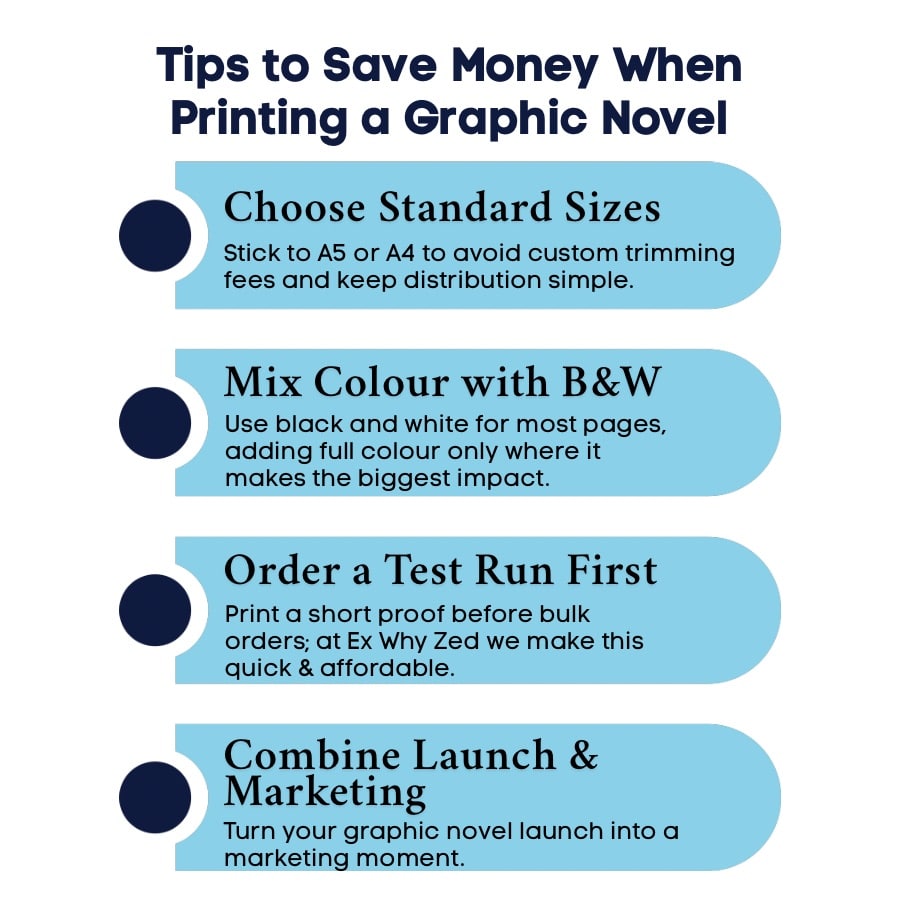
Choosing standard sizes, mixing black-and-white with full colour, and ordering test runs are smart ways to save money.
Print-on-demand works for small runs, while bulk printing lowers the per-unit cost for larger orders.
At Ex Why Zed, you get flexibility, expert support, and professional finishes to bring your project to life stress-free.
Finishing the artwork and story for a graphic novel is a huge achievement. But the next big question often causes the most stress: how much will it cost to print? With so many variables like page count, binding, and colour options, the numbers can feel confusing, and a wrong choice could stretch your budget.
The good news is you don’t need a publisher’s budget to create a professional-looking book. With the right planning and a reliable printer, you can keep costs manageable while still producing something that looks every bit as polished as the titles on a bookshop shelf.
In this blog, we’ll break down how much does it cost to print a novel in 2025. You’ll see what drives the price up or down, get realistic cost ranges for different formats, and pick up practical tips to save money, so you can move forward with confidence.
Which Factors Most Affect the Printing Cost of a Graphic Novel?
When you’re planning your graphic novel, the budget isn’t just about how many copies you want. Several technical details shape the printing costs, and understanding them upfront helps you make smarter choices.
Here are the key factors:
1. Page Count and Number of Pages
The more pages you include, the higher your cost of printing. Each additional sheet adds to materials and labour, so keep a close eye on your interior pages when finalising layouts.
2. Trim Size and Book Size
Your chosen trim size (A5, A4, or square) directly affects how much paper is used. Larger book sizes create more impact on the shelf but come with higher costs. We often recommend sticking to standard formats to keep prices down and ensure your book works well with distributors.
3. Paper Weight and Stock
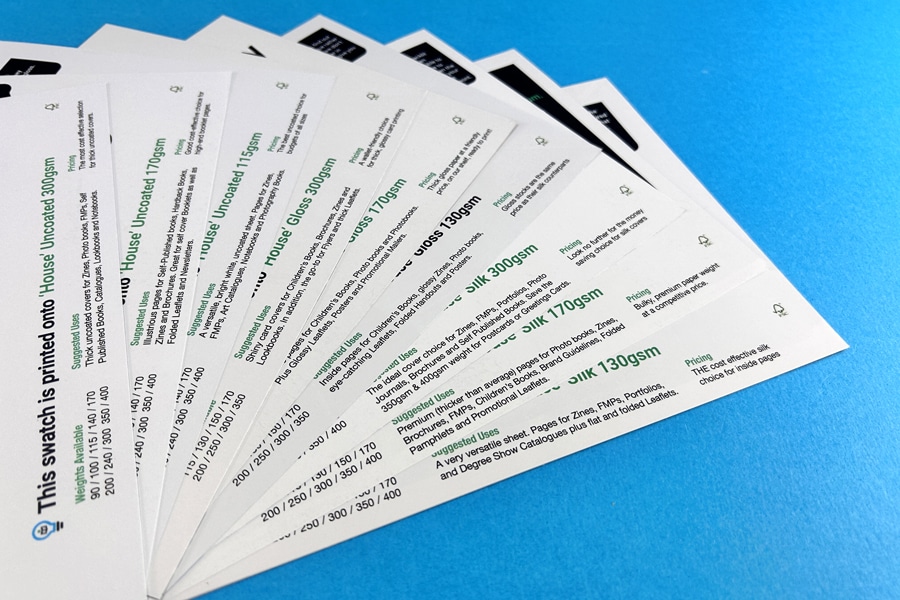
The feel of your book is hugely influenced by the paper weight. Lightweight stocks bring down costs, while heavier options or finishes like uncoated paper add durability and give your artwork a premium look. At Ex Why Zed, you get free paper sample packs so that you can see and feel the difference before committing.
4. Colour Choices and CMYK Colour Mode
Going black and white is budget-friendly, but most creators prefer full colour printing for impact. Every page in CMYK colour mode adds vibrancy but also raises the overall spend. Some authors balance costs by mixing black-and-white pages with selected full-colour spreads.
5. Binding Style
The way your book is held together matters for both presentation and price:
Saddle Stitch Binding: Stapled at the fold, perfect for shorter comics or zines.
Perfect Binding: A glued spine that gives a professional paperback feel. Perfect binding is ideal for longer graphic novels
Hardcover Books: Premium and durable, but naturally the most expensive option.
At Ex Why Zed, we offer all of these binding styles, so you can choose the one that suits your story, budget, and target audience best. Contact our team today to discuss your binding options and receive tailored guidance for your graphic novel project.
How Much Does It Cost to Print a Graphic Novel in 2025? Full Breakdown
When it comes to bringing a graphic novel book to life, costs don’t stop at the printing press. Every stage of the journey, from graphic design to editing, cover work, and binding, comes with its own price tag. Here’s what you can expect in 2025:
1. Artwork & Graphic Design
The biggest spend for most creators comes before a single page is printed. If you’re commissioning an illustrator, rates can vary wildly depending on style and level of detail.
A simple black-and-white line art project might be a few hundred pounds, while a fully illustrated, full colour graphic novel can run into the thousands. For a 100–150 page book, many creators end up budgeting anywhere from £500 through to £5,000 or more for art and graphic design.
2. Editing & Proofing
Even the best visuals can be let down by clunky dialogue or spelling slips. A professional editor will polish speech bubbles, captions, and pacing, and costs usually sit between £150 and £600, depending on how deep you want them to go. Think of it as a one-off investment that can massively lift the professionalism of your book.
At Ex Why Zed, we provide free preflight checks to catch technical issues like missing fonts or image resolution problems before your files reach the press.
3. Cover Design
Readers really do judge a book by its cover. A striking book cover design makes your graphic novel book stand out, especially in crowded genres like science fiction or fantasy. A professional cover designer might charge around £100 to £500, though you can spend less if you handle it yourself.
4. Layout & File Preparation
Getting your pages in the right order, with correct bleeds and margins, can be fiddly. Some creators do this themselves, but if you hire help, you’ll likely spend £50 to £300, depending on complexity.
This stage is also when you’ll want to request an initial quote, because costs become clearer once the inner pages and binding choices are locked in.
If you’re new to this, our Guided Quote tool makes it easy to tick off each step and ensure your files are ready to go.
5. Printing Costs in 2025
This is where the bulk of your spend lands. To give you a feel:
A longer 100–200 page novel in perfect binding sits in the £8 to £15 per copy range.
If you’re going big, bulk runs using offset printing can drop prices to around £3 to £6 per copy once you pass 500 copies.
And for collectors, hardcover graphic novels can be anywhere from £8 up to £25 per copy, depending on paper weight and finishes.
6. Print-on-Demand vs Bulk Printing
One of the biggest decisions is whether to use POD or commit to a bulk run. POD is brilliant for small quantities, because it keeps upfront spend low and lets you test the waters, though the per-unit cost is higher. Bulk printing, especially via offset printing, gives you far lower costs of printing once you hit 500+ copies.
At Ex Why Zed, we sit in the sweet spot between the two. As a digital printing company we make short and medium runs affordable, while our litho setup keeps large runs cost-effective. That way, you get the flexibility of POD with the savings of bulk.
How to Save Money When Printing a Graphic Novel?
Printing a graphic novel can feel like a big investment, but there are smart ways to stretch your budget without compromising quality. Here are a few proven strategies:
1. Stick to Standard Sizes
Choosing a common book size, such as A5 or A4, helps avoid custom trimming fees and keeps your project compatible with distributors and booksellers.
2. Mix Black and White With Selective Full Color
Not every page needs to be in full color. Many creators keep the bulk of the story in black and white and then highlight key chapters or splash pages in colour for dramatic effect. It reduces costs while still delivering impact.
3. Order a Test Run Before Bulk Printing
We always recommend printing a short test run or proof copy first. It lets you catch any design or layout issues early on, before committing to hundreds of copies. At Ex Why Zed, we can supply a single proof or a small batch so you can check the quality in hand.
4. Combine Marketing With Your Graphic Novel Launch
A launch event is one of the most effective ways to market a new graphic novel. Whether it’s at a local bookshop, a comic convention, or an online premiere, you can bundle merchandise, sell signed copies, or offer variant covers. Many creators also use platforms like Kickstarter to fund and promote their projects, which gives readers the feeling of directly supporting their journey.
Bring Your Graphic Novel to Life with Ex Why Zed
Printing a graphic novel is so much more than ink on paper; it’s the moment your imagination, artwork, and storytelling come together as a finished book you can finally hold. We’re here to make that transformation seamless and stress-free.
At Ex Why Zed, we’ve spent years helping creators bring their stories to life. Whether you’re producing a 20-page zine or a 200-page hardcover graphic novel, we make the process straightforward, friendly, and stress-free. Here’s what sets us apart:
No Minimum Run Size – Print a single proof or go big with bulk runs.
Free Support at Every Step – Paper sample packs, preflight file checks, and test copies are all included.
Flexible Printing Methods – Our digital presses keep short and mid runs affordable, while our litho setup ensures large orders benefit from the best economies of scale.
Finishes That Pop – From matt and gloss lamination to soft-touch, spot UV, and even deluxe extras like foil stamping or a dust jacket.
Fast Turnaround – Stapled comics in around three days, perfect bound in about five, and always delivered across the UK with no hidden extras.
Free UK Delivery and Worldwide Shipping – Making it easy to get your books wherever your readers are.
Most importantly, we actually care. Our team works with artists, writers, and publishers every day, so we understand the importance of your project. We’ll guide you through options, suggest cost-effective tweaks, and make sure your final book looks every bit professional.
Printing a graphic novel is a significant milestone for any creator. From page layout and cover design to binding and distribution, every choice influences how your book looks, feels, and connects with readers. Planning carefully and understanding your options ensures your story is presented exactly as you envisioned.
Ultimately, it’s about more than just putting your story on paper. It’s about crafting an experience for your readers, bringing your characters and world to life, and creating a graphic novel that leaves a lasting impression on everyone who opens it.
Frequently Asked Questions
Are there ways to reduce the cost when printing a graphic novel?
Yes, you can save money by choosing standard trim sizes, lighter paper weights, or combining black-and-white with selective full colour pages. Ordering larger runs also lowers per-unit costs, and proofing a short batch first helps avoid expensive mistakes later.
How do printing costs differ between comic books and graphic novels?
Comic books are usually shorter with saddle stitch binding, making them cheaper to print per copy. A graphic novel book often has more inner pages, heavier paper, and perfect or hardcover binding, which increases overall printing costscompared with comics.
Are there online services that offer affordable graphic novel printing?
Yes, several online printers provide instant calculators and POD options, letting you order small runs of a graphic novelat manageable prices. Ex Why Zed goes further with free file checks, paper samples, and expert advice tailored to creative projects.
How much does a normal 200-300 page graphic novel cost?
A graphic novel of 200–300 pages depends on factors like trim size, binding, and whether it’s black-and-white or full colour printing. Costs generally range from a few pounds per unit in bulk to more for short runs or deluxe hardcovers.
How much does it cost to produce a graphic novel?
Producing a graphic novel involves more than just printing. You’ll need to budget for graphic design, artwork, editing, and cover design before ordering copies. Printing then becomes the biggest expense, with total costs of printing shaped by format, page count, and binding.
How are graphic novels printed?
Graphic novels are printed using a combination of digital or offset presses, depending on run size. Key steps include preparing high-resolution CMYK files, choosing paper stock, selecting binding (saddle stitch, perfect, or hardcover), and applying finishes. Each choice affects both cost and quality.
What’s the best way to balance quality and cost in self-publishing a graphic novel?
To balance quality and cost, stick to standard trim sizes, mix black-and-white with selective full-colour pages, and choose binding suited to page count. Short test runs help avoid mistakes, while printing with a flexible printer like Ex Why Zed ensures professional results without overspending.
Comics are not merely narratives; they're fusion art forms that intertwine a vivid mixture of visual storytelling and textual introspection. These mediums have broken conventional barriers and are a great way to reach global audiences. Paper, the silent but pivotal character in the success story of any print, is also critical in comic books. The journey of producing an engrossing comic book involves choosing the right type of paper that complements the narrative and artistic vision on the whole, ensuring a well-rounded reader experience.
Importance of Choosing the Right Paper
The choice of paper in comic book printing is more than just a technical detail—it directly impacts the visual appeal, readability, durability, and even the perceived value of your comic. Whether you're creating a high-energy superhero story or a moody noir graphic novel, the right paper can enhance the reader’s experience and elevate your work from ordinary to exceptional.
Enhances Visual Impact: Different paper finishes affect how colors appear on the page. Glossy paper enhances vibrancy and contrast, making it perfect for action-packed comics with bold hues, while uncoated or matte paper creates a softer, textured aesthetic ideal for indie or vintage-style comics. The right paper choice ensures that your artwork is displayed as intended.
Improves Readability: Glare, texture, and ink absorption all influence how easily readers can follow your story. A high-gloss finish might make colors pop but can cause reflections that hinder readability. On the other hand, silk or matte finishes offer a balance between crisp visuals and comfortable reading, making them ideal for text-heavy comics.
Affects Durability and Collectibility: The longevity of your comic depends on paper weight and coating. Heavier, coated papers resist wear and tear better, ensuring that your comic remains in good condition for years—especially important for collectors' editions and graphic novels. Meanwhile, thinner paper is suitable for affordable, mass-market issues but may not withstand repeated handling.
Influences Printing Costs and Production Feasibility: Higher-quality paper adds to the production cost but can justify a premium price for your comic. Budget-friendly options like newsprint keep costs low for indie creators, while premium stocks create a polished, high-end product. Additionally, ensuring your paper is compatible with your chosen printing method prevents unexpected quality issues.
Supports Sustainability and Brand Values: With the growing demand for eco-friendly publishing, choosing recycled or sustainably sourced paper can align your comic with environmental values. Not only does this reduce your carbon footprint, but it also appeals to eco-conscious readers and publishers.
Understanding Paper Sizes, Weights, and Thickness for Comic Books
Paper size, weight and thickness play a crucial role in determining the feel, durability, and overall presentation of a comic book. These factors influence how pages turn, how ink is absorbed, and how well the comic holds up over time—especially for collectors and fans who want to preserve their copies.
Paper Size
The standard size paper for comic books is quite distinct and has been fairly consistent over the years. However, it is also dependent on the specific conventions of the region or even the particular publishers’ preferences. The standard North American comic book size is 6.625 in x 10.25 in. Now, there are some universal industry standards regarding paper sizes. Here's a table summarising the same:
Paper Size
Dimensions
US Comic Book
6.625 in x 10.25 in
UK Comic Book
8.3 in x 11.7 in
Manga (Japan)
5 in x 7.5 in
Golden Age (US)
7.5 in x 10.5 in
Silver Age (US)
7 in x 10.5 in
Undoubtedly, standard US Comic Book size is a popular choice worldwide. However, for those seeking to emulate the vibe of the 'Golden Age' or 'Silver Age', the respective dimensions provide the intended throwback effect. A phenomenon like Manga, originally from Japan but now a global sensation, standardizes their specific size attributes. The UK comic book size is widely used as well, given its affinity towards classical book dimensions. The choice of paper size eventually loops back to the final product's intended feel, narrative impact, and market preferences.
Paper Weight
Paper weight is typically measured in GSM (grams per square meter) or lbs (pounds), depending on the region. Higher GSM indicates a thicker, more durable paper, while lower GSM results in a lightweight, flexible page. For comic book printing, paper weight needs to balance durability with ease of handling.
Interior Pages: Most comics use 80–130gsm paper for interior pages, striking a balance between affordability and readability. For premium or collector’s editions, 130-170gsm or higher provides a more substantial feel.
Covers: The cover requires a thicker stock to protect the interior pages. Common choices range from 170–350gsm, depending on whether you prefer a flexible or more rigid cover. 170gsm is a thick paper, 200-250gsm would be classed as lightweight cardstock and are easy for the reader to open, 300gsm is a standard cover weight. In our opinion 350gsm can be too heavy and too rigid for the reader to open and it is very prone to bouncing once initially opened.
Paper Thickness
Thickness, or paper bulk, determines how the comic book feels in hand. A thicker stock adds to the perception of quality, making the comic more durable and giving it a premium presence. However, it also increases printing costs, weight (which affects shipping), and potential issues like spine thickness adjustments.
Thin Paper (60–80 GSM): Lightweight and cost-effective, suitable for newsprint-style comics and traditional floppies.
Medium Paper (90–120 GSM): Provides a more professional feel, ideal for high-end indie comics and graphic novels.
Thick Paper (130+ GSM): Best for deluxe editions, hardcover comics, and premium collector’s items
Along with the right size, weight and thickness of paper play a critical role in creating the desired impact. From factors such as crisp reproduction of artwork to durability against wear and tear, the paper weight directly impacts these materials. It is crucial to understand how paper weight influences print quality, especially in terms of ink absorption, and affects the end product's longevity.
Comic Book Printing Paper Types
Creating a comic book or graphic novel involves numerous choices, one of which is selecting the right type of paper. While traditional comic books often favor gloss finishes, there's a range of paper types available to choose from. At Ex Why Zed, we offer the following types of paper suitable for your comic books -
1. Gloss Paper – For Vibrant, High-Impact Colors
Gloss paper is a popular choice for comics that thrive on bold, eye-catching visuals. The shiny, reflective surface enhances color saturation, making reds pop, blues deepen, and blacks appear richer. This makes it the go-to paper for superhero comics, sci-fi adventures, and action-packed narratives that rely on dynamic artwork. The coated surface also provides durability, resisting smudging and wear over time. However, while gloss paper amplifies vibrancy, it can create glare, making text harder to read under certain lighting conditions. Additionally, fingerprints are more noticeable, which may be a concern for collectors who want to keep their comics in pristine condition.
2. Silk Paper – The Perfect Balance of Shine and Readability
Silk paper strikes a middle ground between gloss and matte, offering a soft sheen that enhances color without overwhelming glare. This makes it ideal for graphic novels, slice-of-life comics, and indie stories where readability is just as important as rich visuals. The smooth, slightly textured feel gives comics a premium, high-end aesthetic, making it a great choice for creators looking for a refined, professional finish. While silk paper does deliver excellent color reproduction, it isn’t as vibrant as full gloss, and it can be slightly more expensive than standard matte options. However, for comics that rely on both visual appeal and legibility, silk paper is an excellent investment.
3. Uncoated Paper – The Indie & Vintage Favorite
The uncoated paper offers a classic, natural feel that makes it perfect for black-and-white comics, noir themes, and indie zines. Since it lacks a coating, it absorbs more ink, giving the artwork a soft, textured appearance that evokes a hand-drawn, old-school aesthetic. This paper type is also easier on the eyes, making it great for dialogue-heavy comics and heavily detailed illustrations. Additionally, uncoated paper is fully recyclable, making it a popular choice for environmentally conscious creators. However, the ink absorption can slightly reduce image sharpness, and colors may appear less vibrant compared to coated papers.
4. Recycled Paper – The Eco-Friendly Option with a Unique Texture
Recycled paper is a fantastic option for environmentally conscious publishers and artists looking to minimize their carbon footprint. Made from repurposed materials, it has a slightly rough texture that can add a unique, organic quality to the artwork. This makes it a great fit for alternative press books, experimental comics, and self-published zines that embrace a more handmade or DIY aesthetic. While recycled paper demonstrates a commitment to sustainability, it does come with minor trade-offs, such as slight color variations due to the recycled fibers and lower durability compared to coated papers. As a result, it’s best suited for one-shot issues, promotional comics, or short-run prints rather than long-term collector’s editions.
Other Specialty Papers
Apart from the above, there exists a universe of specialty papers, often leveraged to create a unique aesthetic flavor or comply with specific production goals. Here are a few examples:
Newsprint: Provides an authentic vintage feel, often employed in creating throwback editions.
Bond Paper: Known for its strength and durability. Its high ink absorption capacity offers sharp text prints. In the UK 'bond paper' is usually known as Uncoated.
Cardstock: 250-350gsm, exceptionally thick and sturdy, typically used for comic book covers.
These specialty papers provide opportunities to stand out and cater to specific creative needs or environmental commitments.
Here's a summary of different paper types suitable for different types of comics:
Comic Style & Genre
Recommended Paper Type
Why It Works
Superhero Comics & High-Action Stories
Gloss Paper
Enhances bold colors, high contrast, and dynamic action scenes with a striking, vibrant finish.
Provides a balance of crisp visuals and a soft, luxurious feel, enhancing readability and emotional depth.
Horror, Noir, or Retro-Style Comics
Uncoated or Recycled Paper
Creates a textured, raw feel, ideal for black-and-white art, halftone shading, and a vintage aesthetic.
Experimental & Eco-Friendly Comics
Recycled Paper
Adds a unique, organic texture while reducing environmental impact, making it great for alternative comics.
Factors Influencing Your Comic Book Paper Choice
Choosing the right paper for your comic book goes beyond just size and weight. Factors like brightness, opacity, bulk, and sustainability play a significant role in determining the final look, feel, and durability of your printed work. Here’s what you need to consider:
Brightness: Brightness refers to how well the paper reflects light, directly impacting color vibrancy and contrast. High-brightness paper enhances the clarity of colors and sharpens grayscale images, making pages look more vivid and engaging. If you want your artwork to pop off the page, a higher brightness level is ideal.
Opacity: Opacity determines how much print from one side of the page is visible on the other. A higher opacity prevents unwanted "show-through," ensuring a clean reading experience, especially for comics with heavy inking. While thicker paper generally has better opacity, coatings, and fillers can also influence how well the paper blocks light.
Bulk: The bulk of the paper affects both the reader’s tactile experience and the comic’s overall durability. A higher bulk gives the impression of a thicker, more premium book, even if the paper weight remains the same. However, bulkier paper can increase shipping costs and require more storage space, so it’s important to strike the right balance.
Consistency: Paper quality should remain consistent throughout the entire print run. Variations in texture, coating, or thickness can lead to inconsistencies in print output, affecting the final product's professional appearance.
Printing Technology Compatibility: Not all paper types work with every printing method or printer. Some papers are optimized for digital printing, while others perform better with offset printing. Ensuring that your chosen paper matches your printing technology can prevent ink absorption issues and unexpected color shifts.
Sustainability: As environmental awareness grows, many creators and publishers are opting for eco-friendly options. Recycled paper and FSC-certified stock help reduce environmental impact while adding a unique texture that can enhance certain comic styles.
Cost-Effectiveness: Balancing quality and budget is key. While premium paper stocks offer a superior look and feel, they can be costly. Independent creators and new publishers may want to explore mid-range or cost-efficient options that still provide great results.
By considering these factors, you can make an informed choice that enhances your comic’s aesthetics, ensures durability, and aligns with your budget and sustainability goals.
Why Print Your Comic Books at Ex Why Zed?
Ex Why Zed offers a seamless blend of quality and efficiency. We ensure a straightforward comic book printing process for creators with fast delivery in 2–5 days. Our friendly and accessible support and free file check service demonstrate our commitment to customer satisfaction. Additionally, we offer free paper samples and the option to order a test copy first, allowing you to ensure the final product meets your expectations. Trusted by thousands of self-publishers, artists, and students, we your ideas into high-quality printed comics. Request a quote now for your comic books.
Wrap Up
Creating the perfect comic book involves numerous decisions, with paper selection being a significant determinant. From understanding varied paper sizes and weights to knowing the difference between coated and uncoated variants, every aspect plays its part in realizing your visual storytelling's artistic vision. Remember, what works best for one may not apply to all. The key lies in understanding your unique project requirements and your audience preferences and balancing it with cost-effectiveness.
Frequently Asked Questions
1. What’s the difference between coated and uncoated paper for comics?
Coated paper (gloss or silk) has a smooth finish that enhances color vibrancy and sharpness, making it ideal for high-detail artwork. Uncoated paper absorbs more ink, giving a softer, textured look that works well for indie or vintage-style comics.
2. How do I choose the right paper for black-and-white comics?
For black-and-white comics, uncoated or silk paper is best. Uncoated stock provides a classic, textured feel, while silk paper keeps the artwork crisp with less glare. The choice depends on whether you prefer a raw, traditional look or a modern, refined finish.
3. Does the choice of paper affect the printing cost?
Yes, heavier and coated papers generally cost more than lighter or uncoated options. If you’re on a budget, balancing paper quality with cost is important—standard silk or matte paper often provides the best value without sacrificing quality.
4. What’s the best paper choice for a durable, long-lasting comic book?
For durability, choose a higher-weight paper (around 150gsm for interiors) and a sturdy cover stock (250–300gsm). Laminated covers (gloss or matte) add extra protection, making them ideal for collector’s editions or graphic novels.
TL;DR
Each idea is designed to spark creativity across genres like science fiction, fantasy, adventure, comedy, and dystopia, appealing to the imagination of a comic book writer.
Each idea is designed to spark creativity across genres like sci-fi, fantasy, adventure, comedy, and dystopia.
The list includes comic book ideas for kids, easy comic concepts for beginners, and bold storylines for advanced creators.
Concepts include time-traveling detectives, mythological gods in modern times, eco-genius heroes, and graffiti art with powers.
Comic book layout ideas and display suggestions are included to help visualize each story.
Ex Why Zed is featured as a go-to resource for comic printing, file setup, and layout guides.
Looking for comic book ideas that actually spark your creativity? Whether you're starting your first comic or planning your next big story, this list of 15 comic book story ideas is here to help.
You’ll find a mix of genres from fun comic book ideas for kids to bold, imaginative plots. Whether you’re after good comic book ideas or something simple to begin with, like easy-to-follow comic book ideas easy to follow, these prompts are made to get you inspired.
Let’s jump in and explore some creative ideas you’ll love working on.
Want to Create a Comic? Start with These 15 Exciting Ideas
Forget the same old Caped Crusader plotlines. These good comic book ideas offer fresh settings, memorable characters, and storylines that pull readers in. Whether you’re into sci-fi, fantasy, comedy, or drama – there’s something here for every type of creator.
Comic book Idea 1: Superhero Origin Stories
Great for: Comic book ideas for kids, young adult plots, or slice-of-life stories.
Origin stories are classic for a reason. There’s something deeply human about discovering what makes us different and learning to own it.
This genre follows a young person discovering new superpowers and trying to figure out who they are while dealing with school, friends, and growing up. The powers might be cool like flying, super strength, fighting the bad guys or controlling storms, but the real story is about change.
Maybe your hero lives in a quiet town and suddenly feels like they don’t belong. They have to hide their powers while still passing history class and figuring out who to trust. You can build tension through everyday problems made bigger by secret powers.
Comic book layout idea: Contrast normal life scenes (muted colors, softer lines) with action sequences (bold, dramatic panels).
Great for: Writers who love puzzles, history, and fast-paced adventures.
Time travel comics blend adventure with complex storytelling. From ancient civilizations to futuristic worlds, your characters unravel secrets across centuries. It’s a genre perfect for writers who enjoy layered plots, rich settings, and twists that ripple through time.
For example, your characters discover a strange object, maybe a device, a map, or mirror, that allows them to jump into the past. Each issue can take place in a different period: ancient Egypt, medieval castles, 1920s jazz clubs. But with each jump, something new unravels. This genre teaches you how to connect smaller episodes to one big arc.
Comic book design idea: Use a different color palette or panel style to reflect each time period.
Ready to create your own time-jumping tale? Ex Why Zed’s file setup guide helps you get your pages print-ready with ease.
Comic book Idea 3: Sci-Fi Comedy
Great for: Lighthearted comic book ideas for kids or anyone who loves a good laugh.
This genre works best when your main character is totally out of place like an alien pretending to be human. Think awkward moments, silly mix-ups, and trying to fit in where they clearly don’t.
Maybe your alien calls ketchup "red goo of happiness" or thinks gym class is a form of torture. The comedy can be fun and fast, but the story also lets you explore themes like friendship, identity, and feeling different.
Comic book layout idea: Add playful extras like fake social media posts, report cards, or doodles in the margins.
Comic book Idea 4: Dystopian Sci-Fi
Great for: Writers who want to explore control, rebellion, and high-stakes tension.
Dystopian stories show what happens when control replaces freedom. They explore systems that look ideal on the surface but hide manipulation underneath.
Here's an example:
Set in a future where everything seems perfect, but it’s not. A city run by AI controls daily life, and your main character is starting to see the cracks. Maybe people don’t dream anymore. Maybe every choice is made for them.
As your character questions what’s real, they uncover hidden truths and maybe a rebellion. You’ll write suspenseful scenes, creepy tech moments, and characters waking up to reality.
Comic book layout idea: Use digital overlays, glitch effects, and clean but empty panels to show a fake “perfect” world.
If you're working with futuristic themes, experimenting with comic book design ideas like high-contrast visuals or layered screen effects can elevate the tension and atmosphere.
Comic book Idea 5: Modern Mythology
Great for: Fantasy lovers who want a mix of magic and modern life.
What happens when ancient gods live in today's world? Maybe Thor is your cranky neighbor, Athena teaches college philosophy, or Medusa is a hairstylist with bad Yelp reviews.
This genre lets you take old stories and bring them into new settings. You can use it to write comedy, action, or drama depending on how your gods react to things like taxes, social media, and smartphones.
Comic book title idea: “The Gods Are Tired” which is a mix of divine powers with relatable problems.
Great for: Writers who enjoy spooky fun and character-driven stories.
Create a quirky group of monsters: a vampire with anxiety, a ghost who can’t commit, a werewolf who’s allergic to meat. They band together to solve mysteries in a town where weird is normal.
Their cases might involve haunted theme parks, missing magical pets, or cursed heirlooms. The fun comes from their personalities clashing and learning to work together while being misjudged by others.
Comic book display idea: Use scrapbook-style layouts with monster profiles, case notes, and silly interviews.
Not sure what it’ll cost to print a comic like this? Here’s a breakdown of comic book printing costs to help you budget smartly.
Comic book Idea 7: Post-Human Survival
Great for: Quiet, emotional sci-fi stories with big questions.
In a world where robots rule, your character might be the last human alive or so they think. They roam through metallic cities, dodging patrols, searching ruins, and uncovering secrets about what happened to everyone else.
This genre lets you explore loneliness, courage, and discovery. Your comic can be quiet and deep, with few words and big, powerful panels.
Comic book layout idea: Use minimal color, wide shots, and glowing lights to show mood and isolation.
If you're planning to bring a story like this to life, make sure you're familiar with the standard comic book dimensions to help plan your panel layout and pacing effectively.
Comic book Idea 8: Jump Between Dimensions
Great for: Adventure comics with heart and fun world-building.
Two siblings (or friends) find a portal to different versions of their world. In one, they’re heroes. In another, they’re villains. Each world helps them learn more about who they are and who they could become.
This genre helps you stretch your imagination. Each issue can feature a wildly different setting like pirate cities, robot kingdoms, and jungle planets. But the emotional thread stays strong.
Comic book layout idea: Use unique borders, panel shapes, or visual “glitches” to show dimension-hopping.
For more layout inspiration, visit Ex Why Zed's Design Hub and explore different approaches to page structure and mood.
Comic book Idea 9: Animal-powered Heroes
Great for: High-energy stories with cool transformations.
What if your superhero team could channel animal abilities? One runs like a cheetah. Another sees like an owl. A third can vanish like an octopus.
This idea is action-packed, fun, and great for young readers. It also opens the door for stories about teamwork, nature, and personal growth.
Comic book name ideas: “The Pact” or “Beast Code”- sleek and action-focused.
Comic book Idea 10: Save the World with Science
Great for: Kids' comics that combine fun with real-world themes.
Smart, tech-loving kids use inventions to fight climate change and stop polluting villains. Their gadgets are cool solar drones, wind-powered bikes, and biodegradable slime bombs.
This genre helps you mix STEM learning with fast-paced adventure. Add teamwork, a hidden lab, and missions that inspire readers to care about the planet.
Comic book layout idea: Use blueprints, infographics, or science journal pages between scenes.
To get a sense of how your comic will come together, check out this guide on how comic books are made-from concept to production.
Comic book Idea 11: Haunted High School Stories
Great for: Funny, spooky tales with school drama.
Strange things happen at school- floating lockers, whispering halls, and teachers who don’t blink. A group of students begins digging into its ghostly history.
This genre lets you play with mystery, humor, and teen friendships. Your comic can be scary and silly at the same time.
Comic book design idea: Use glowing effects, dramatic shadows, and flashlight-style lighting work great here.
Comic book Idea 12: Turn Books Into Doorways
Great for: Readers who love libraries, stories, and adventures inside books.
Stories within stories come alive in this genre. Great for readers and dreamers, it plays with layers of fiction and reality.
Say for example, A student finds a magical book that pulls them inside different stories. They must help characters inside fairy tales, pirate sagas, or space adventures while stopping a villain who wants to erase stories.
Comic book display idea: Mix dreamy artwork, bookish details, and dramatic panel transitions.
Comic book Idea 13: Fight the System with Color
Great for: Urban fantasy with big visuals and bold messages.
In a city where art is banned, teens use magical spray cans to paint creatures, portals, and symbols that come to life. Their murals are both resistance and escape.
This genre is perfect for action-packed stories that double as social commentary. Use big, colorful spreads to make the art feel alive.
Comic book title idea: “Paint the City Wild.”
Comic book Idea 14: Send Heroes on a Post-Apocalyptic Quest
Great for: Dark fantasy with group dynamics and epic battles.
In a ruined world full of monsters and fading magic, a group of broken heroes sets out to restore balance. Along the way, they face cursed temples, frozen lands, and their own past mistakes.
This genre lets you build big worlds and explore themes like hope, sacrifice, and trust.
Comic book wall display idea: Go for gritty, textured art and large full-page spreads.
You can also take inspiration from comic book wall display ideas when showcasing your work at conventions or setting up a creative studio space. Posters, oversized pages, and textured backgrounds can add serious impact.
Comic book Idea 15: Cyberpunk Rebels vs. Megacorps
Great for: Fast, stylish action stories with high-tech themes.
In a glowing city controlled by one company, a small team of rebels fights back using hacked gadgets, glitchy AIs, and old-school tricks.
This genre lets you explore freedom, identity, and resistance while filling your comic with neon, motion, and chaos.
Comic book layout idea: Try sharp panel cuts, overlays, and digital noise to match the vibe.
Want to See Your Comic in Print? Ex Why Zed Can Help
Once you’ve crafted your story and illustrated each panel, the final step is creating a cover that truly stands out. Whether you’re inspired by classic comic book covers or looking to create something fresh and bold, we’re here to help you turn your vision into a printed reality.
At Ex Why Zed, we’ve helped bring thousands of comics and graphic novels to life, featuring everything from cool comic book covers to reimagining iconic comic book covers. You can choose from a wide range of custom options, including paper types, binding styles, and finishes that make your design pop. Whether you’re printing 25 or 2,500 copies, we’ll make sure your comic looks its best.
Need a bit of inspiration for your comic book cover ideas? Whether you're keeping it classic or going experimental, we’ll work with you to help create one of the best comic book covers your readers will remember.
Inspiration can pop up when you least expect it, whether it's during a commute, a random conversation, or even a weird dream. Comic book writing is all about taking those little sparks and turning them into something exciting.
Your ideas might come from daily life, historical events, or completely made-up fantasy worlds. The great thing is, there are no limits. Add characters with their unique quirks, sprinkle in magical creatures or futuristic gadgets, and let your imagination lead the way.
Designing your comic? Consider some fresh comic book layout ideas and comic book display ideas to showcase your artwork creatively – especially if you're setting up a web comic or physical prints. Utilizing these methods is a great way to enhance visibility.
You’ve got stories to tell, and comics are an awesome way to bring them to life.
Frequently Asked Questions
1. How do I choose the right comic book idea for my story?
Finding the best comic book idea can be simple if you know your interests and what you do well. Think about themes that stand out to you, such as misfit monsters, evil empire, mythical creatures, or wizards. You may get some ideas from the outlines. Try to come up with your own twists. This can help you make something new from a familiar comic theme. In the end, the comic should show your voice, and it should highlight your creative side.
2. What makes a comic book idea unique and engaging?
A good comic book idea brings together new characters, interesting stories, and themes people can relate to. Don't forget to use unique comic book title ideas. They can instantly grab a reader's attention and reflect your story’s tone, whether it’s clever, mysterious, or action-packed. Things like humor, surprises, and captivating illustrations help bring readers in. These parts give the comic fresh perspectives and help make stories that many people will remember and enjoy.
3. How can I develop characters for my comic book?
To make good characters for your comic book, start by giving them different personalities, backgrounds, and reasons for what they do. Let them grow and change in the story, which will make the comic strip better. Think about the way they act with each other and what part they play in the big story. Crafting a story through the eyes of a minor character can ensure every character has importance. It also helps build the main character and the main idea of your comic.
4. What are some tips for creating a comic book as a beginner?
Start by planning out your story. Focus on the characters and the main events. Draw your characters and places to help you see them better. Use simple talk between characters and keep the story moving at a steady pace. Work with others to get their thoughts on your story. Most of all, remember to have fun as you create it!
TL;DR
Golden Age covers introduced bold, action-driven imagery that redefined superhero storytelling.
Silver Age covers embraced cosmic themes and team dynamics, elevating comic book universes.
Bronze Age covers tackled real-world issues, marking a shift to mature, emotionally driven narratives.
Modern Age covers used variant editions and gimmicks to turn comics into collectible art.
Digital Era covers embraced minimalism and experimentation, focusing on design-led storytelling.
Strong cover design relies on impactful visuals, thoughtful layouts, and high-quality materials.
Professional printing services like Ex Why Zed help bring comic covers to life with premium finishes.
When you think of a comic book, the first thing that grabs your eye is the cover. For iconic publishers like Marvel and DC, the cover has always been a creative space where artists push boundaries and set the tone for what lies within.
As heroes like Batman and Superman evolved, their covers also changed, reflecting the culture, trends, and imagination of each era. It’s no surprise that the comic book industry is thriving. The global market was valued at $16.8 billion in 2024 and is projected to reach $31.2 billion by 2034, growing at a CAGR of 6.6%.
In this blog, we’ll explore the types of comic book covers that didn’t just define stories — they defined eras. Also, we'll be talking about how to design cool comic book covers.
Which Types of Comic Book Covers Defined the Eras of Comics?
Over the years, comic book covers have done more than grab attention. They’ve told us where comics were headed and what readers cared about. Each era brought its own style, message, and creative flair, many becoming some of the best comic book covers of all time.
Let’s take a closer look at the standout comic book covers ideas that not only defined their eras, but helped shape the legacy of comics as we know them.
1. Golden Age Action-Packed Covers (1938–1950)
The Golden Age exploded with energy. Covers from this era were all about bold heroes leaping into action — sometimes quite literally. When Action Comics #1 dropped in 1938, Superman was shown lifting a car over his head. That image alone redefined what a superhero could be larger-than-life, unstoppable, and unforgettable.
Then came Captain America Comics #1, where Cap famously punched Hitler right on the cover. During World War II, this was more than just eye-catching it was powerful. These early works are often seen as some of the most iconic comic book covers ever printed.
Batman’s early appearances in Detective Comics were just as thrilling. With his cape billowing and fists flying, he leapt across covers like a shadow in motion.
These classic comic book covers didn’t just entertain; they inspired, uniting readers during uncertain times and leaving a legacy still felt in today’s superhero stories.
Want to know what makes characters like Superman or Batman so iconic? Read about comic book characteristics to see what sets them apart.
2. Silver Age Team-Ups and Crossovers (1956–1970)
Welcome to the era of big ideas and even bigger teams. The Silver Age brought a wave of imagination, science fiction, and collaboration — all front and center on the covers. This is when comic book universes truly began to feel... universal.
Marvel introduced The Avengers, with covers featuring Thor, Iron Man, Hulk, and more, battling side-by-side against massive threats. At the same time, DC’s Justice League of America united Superman, Batman, Wonder Woman, and others in epic scenes that became cool comic book covers fans still remember.
The art also took on a new vibe with cosmic backdrops, experimental layouts, and dynamic poses that felt like movie stills. Journey into Mystery gave us Thor surrounded by stars and myth — a perfect example of comic book cover ideas that embraced scale and spectacle.
Silver Age covers were loud, fun, and full of promise. Many of these comic book covers required advanced planning and production techniques. And, if you want to learn how comics like these go from idea to printed reality, check out the full book printing process.
3. Bronze Age Social Commentary Covers (1970–1985)
The Bronze Age brought a serious tone shift. Covers started reflecting real-life struggles — and they didn’t hold back. Suddenly, superheroes had problems that couldn’t be solved with a single punch.
Take Green Lantern #85 — the cover shocked readers by showing Green Arrow’s sidekick caught in heroin addiction. This raw, unforgettable cover is one of the most iconic comic book covers that marked comics’ leap into mature storytelling.
Then, there's The Amazing Spider-Man #50, which shows Peter Parker walking away from his costume, emotionally weighed down. It captured his inner conflict in a single, powerful image, a classic comic book cover still studied today.
Even Wolverine’s rise brought moody, intense visuals that felt personal and gripping. Batman’s #205 gave us haunting visuals with rich shadows and high stakes. Artists like Neal Adams helped usher in comic book cover ideas that mirrored society’s toughest questions.
These covers didn’t shy away from tough topics. They leaned in and challenged readers, and many of them remain among the best comic book covers to date.
The Modern Age shook things up. Comic book covers became more creative and competitive, with publishers like Marvel and DC doing everything they could to stand out.
To attract a broader audience, they introduced variant covers, multiple versions of the same issue, each with its own twist. Some cool comic book covers of this era include:
Variant Trends
Key Examples
Holographic
Amazing Spider-Man #365 had a shining holo cover
Minimalist
Superman #75 was simple, just showing his torn cape
Retro-themed
There were old-school designs on limited Batman comics
Gritty Realism
The Boys featured raw, bold covers like a bloodied Homelander or Butcher’s intense stare that captured its dark, subversive tone
These weren’t just for flair; they turned comic book covers into collectable art. If you're also planning your first print run, it helps to know how much it costs to print a comic book so you can budget smartly.
The Modern era brought forward some of the best comic book covers for collectors and casual fans alike, showing how format, texture, and artistry could create lasting impact.
5. Minimalist & Experimental Covers of the Digital Era
In the Digital Era, comic book covers have taken a fresh turn, leaning into minimalism, bold design choices, and more artistic storytelling. Heroes like Batman, Wolverine, and others from the Marvel universe now appear on covers that break away from traditional comic art styles.
One standout example is John Cassaday’s Astonishing X-Men #17, where Wolverine is surrounded by stark white space. This subtle design is among the most iconic comic book covers of modern times.
If you're curious how comics are created from scratch in today’s world, here’s how comic books are made, from concept to cover.
As digital media expands through gaming and streaming, comic covers are evolving to stay relevant. These modern covers whisper instead of shout, proving that even today, classic comic book covers can be redefined.
How Can You Design a Comic Book Cover That Stands Out?
A comic book cover is more than just the first page, it’s the hook that draws a reader in. Whether you're crafting the next cult classic or an indie gem, here are some pro tips to help your cover stand tall among the best comic book covers:
1. What Paper Works Best for Comic Book Covers?
The quality of your paper plays a big role in how your cover looks and feels. For most comic books, cardstock is a popular choice. It’s thicker than regular paper and offers durability while still being cost-effective.
Glossy paper adds shine and makes colors pop, which is perfect for high-energy, action-packed comics. Matte paper gives a more muted, classy look, ideal for darker or more serious storylines. Some creators even go for textured paper to add depth and uniqueness.
Great cover art is what stops someone in their tracks. Strong visuals like dynamic poses, bold color schemes, and high contrast can instantly communicate the vibe of your story.
Use focal points, bold colors, and layered composition. Think about Superman’s chest emblem or Wolverine’s claws, these iconic comic book covers stay etched in memory. If you’re working with an artist, make sure the cover reflects a powerful moment or the emotion of the issue.
Tip: Study classic covers by legends like Jack Kirby or modern graphic styles from indie comics. See how they use space and color to lead the eye.
3. How Should You Plan the Layout?
Let your layout guide the eye. Position titles, names, and issue numbers with care. Keep the spotlight on your characters and scene, just like many classic comic book covers do. Your title, subtitle (if any), issue number, and author or illustrator credits should be easy to find but not overpower the artwork.
Use visual hierarchy. Make the title the most prominent, followed by character artwork, and then the smaller details. Keep things balanced. Too much text or too many visual elements can feel cluttered.
4. Which Cover Finish Should You Go For?
The finish you choose affects how the artwork looks once printed. Here are the common options:
Gloss Finish: Reflective and bright. It enhances vibrant colors and sharp lines, ideal for superhero comics and action themes.
Matte Finish: Smooth and non-glossy. It adds a more artistic or dramatic tone, great for mystery, noir, or introspective comics.
Spot UV or Foil Accents: Adds shine to specific areas like the title or logo, giving the cover a premium, collectible feel.
Tip: Ask for print samples to see how your artwork looks with different finishes before you commit.
Have questions about foil, UV, or finishes? Our team is always here — reach out to us directly and we’ll guide you through the options.
5. What Binding Is Right for Your Comic?
Binding doesn’t just hold the book together, it affects how the cover and pages sit and how durable the comic is over time.
Saddle Stitch (stapled): Best for thin comics, up to 60 pages. It’s cost-effective and common.
Perfect Binding (glued spine): Offers a more professional look, better for longer or collector’s editions.
Square-bound Saddle Stitch: A hybrid that looks premium but works for shorter books too.
6. Pick the Best Size and Format
The standard comic book size (6.625" x 10.25") is a safe bet. It fits display racks and collector boxes. But experimenting with size can make your comic stand out:
Oversized Formats: Highlight detailed artwork or offer a “deluxe” experience.
Mini Comics or Square Formats: Quirky and fun for niche or indie storytelling.
Webtoon-style Vertical Comics: Great for digital releases.
Standard sizes work best for collectors. But if you want to stand out, oversized or mini formats are great comic book covers ideas for indie creators.
Tip: If you're going to print your comic, always check with your printer first to see which sizes are most cost-effective or compatible with their machines.
How Can You Bring Your Comic to Life With Ex Why Zed?
A striking comic book cover deserves equally impressive print — and that’s where Ex Why Zed delivers. Trusted by thousands of creators, we offer high-quality comic printing with vibrant colors, sharp detail, and premium finishes like gloss, matte, spot UV, and foil.
Whether you’re printing a one-shot zine or a collector’s edition, our expert team guides you through every step from file setup to choosing the best binding and paper.
Now that you’ve done the hard part, let us handle the print. Request a quoteand see how your comic can shine with professional production.
Final Words
Comic book covers have always reflected the spirit of their time, from the bold action of the Golden Age to today’s digital designs. More than just eye-catching art, they open doors to new worlds, spark imagination, and shape pop culture.
So whether you’re a fan, a collector, or a creator, never overlook the power of a great cover — because the next iconic comic book cover might just be yours.
Frequently Asked Questions
What makes a comic book cover iconic?
Iconic comic book covers really show off their hero and the time they come from. You can see this with Captain America when he hits Hitler, or when Batman sits brooding on top of a gargoyle. These covers mix strong pictures with things from that time, so people remember them. Marvel is known for many of these covers, like ones for Thor or the ones that show Wolverine’s wild strength.
How have comic book covers influenced pop culture?
Comic covers have played a big part in pop culture. They help make heroes like Superman and Batman into powerful symbols. These covers from Marvel and DC have a long history. Some show Spider-Man as Peter Parker looking inward through art. Many comic covers like these have started new movies, merchandise, and even big shared worlds. This has pulled people from all over the world in and made them fans.
Are variant covers worth collecting?
Variant covers give people more choices, letting them see different art styles on their favorite comics. These covers might show Wolverine in new scenes or give a fresh look to Thor's famous poses. Comic makers like Marvel and DC turn these covers into special art that many want. Since there are only a few of each cover, they can be worth good money when people sell them later.
Who are some legendary comic book cover artists?
Creators such as Jack Kirby helped change how people tell stories with pictures for Marvel and DC. Kirby worked on Captain America, and the art stands out even today. Steve Ditko also made strong artwork for Superman and Batman. These people made comic covers so special that many still remember them. They helped shape the way we see comics now.
Creating a graphic novel is no small feat; it takes vision, discipline, and hours of careful design. But when it comes time to actually print your graphic novel, the choices you make can determine whether it lands with impact or falls flat.
If you're an artist, writer, or indie publisher wondering how to print a graphic novel with professional results, you're in the right place. In this guide, we'll walk you through every step, from layout to print and promotion, with expert insight and services from Ex Why Zed, UK’s most trusted creative printers.
Steps to Print Your Graphic Novel from Draft to Book
Whether you're self-publishing a full-colour graphic novel or producing a short run for conventions, each step plays a vital role in transforming your digital artwork into a polished, professional-quality book. Follow these essential steps to ensure your final product not only looks exceptional but also reflects the time, creativity, and effort you’ve invested in every panel.
Step 1: Plan Your Graphic Novel Layout and Format
Before you begin the printing process, it’s essential to define the key specifications of your graphic novel. These early decisions will directly influence your design approach, production costs, and overall reader experience.
Determine the book size: Common formats include A5, US comic size (7x10"), or square dimensions.
Choose the orientation: Select portrait or landscape based on how your artwork is composed.
Estimate the total page count: This will help inform your layout, binding type, and spine width.
Decide on full-bleed artwork: If your illustrations extend to the edge of the page, you’ll need to account for bleed and trim margins in your file setup.
Step 2: Choose the Best Paper and Binding for Your Graphic Novel
The look and feel of your book can change drastically depending on the paper you choose. For graphic novels, where visuals are key, Ex Why Zed offers several options that help your artwork shine:
Silk: Smooth with a slight sheen, perfect for vibrant colour.
Uncoated: Matte and natural are great for a more organic, risograph-style feel.
Gloss: High shine, great for sharp contrasts and bold illustrations.
Binding matters too. For shorter zine-style books, saddle-stitching (staples) works well. For thicker stories, perfect binding (like a paperback novel) offers a more professional spine and finish. Hardback options are also good if you're looking to create a premium collector’s edition.
Step 3: Design a Striking Cover for Your Graphic Novel
Your cover is your first impression. A great graphic novel cover combines eye-catching illustration with clean typography and thoughtful composition. If you’re printing a perfect-bound book, make sure you also account for the spine width when designing your wraparound cover.
Don’t overlook the impact of finishes. Matte or gloss laminationgives the book a professional feel. Spot UV adds texture and shine to specific elements like a title or logo. You can even opt for foil stamping or embossing for a standout tactile effect.
Step 4: Choose Your Printing Method: Digital or Litho?
When it comes to how to print a graphic novel, your printing method plays a key role in cost and output quality. The two most common methods are:
Digital printing: Ideal for short runs (1–250 copies), offering fast turnaround and lower setup costs. Also ideal for creators testing campaigns or targeting niche audiences using analytics or ad user data before scaling up.
Litho printing: Best suited for larger volumes (250+), delivering consistent high quality and more economical pricing per unit at scale.
Whether you are looking for a Litho Printing Company or a Digital Printing Company, Ex Why Zed offer both under the same roof. With industry-leading presses like HP Indigo for digital works and Heidelberg for litho runs, you're covered no matter your print run size.
Step 5: Prepare Your Artwork for High-Quality Print
Once your layout and cover are finalized, it’s time to prepare your files for production. Getting the technical setup right ensures your printed graphic novel looks just as sharp and polished as it does on screen. Here are the key elements to focus on:
Resolution: All artwork should be set to 300 DPI (dots per inch) to maintain crisp, detailed images in print. Lower resolutions may result in blurry or pixelated visuals, especially for fine lines or text.
Colour mode: Convert your files from RGB (screen colours) to CMYK (print colours). RGB files may appear overly saturated or inaccurate when printed, whereas CMYK ensures faithful colour reproduction using ink.
File type: Export your final document as a PDF/X-1a for best results. This format embeds fonts, flattens transparency, and locks in colours, reducing the risk of shifting elements or missing assets during printing.
Bleed: Extend any artwork that touches the edge of the page by 3mm beyond the trim line. This bleed area ensures that no unwanted white borders appear after the book is trimmed to size.
Step 6: Decide if You Need an ISBN
An ISBN (International Standard Book Number) is a unique code used to catalog your publication title and is essential if you plan to sell your graphic novel through retail platforms like Amazon, bookshops, or libraries. Each format, whether paperback, hardcover, or digital, requires a separate number. If you're producing variant covers, those may also need their own ISBNs.
However, if you're selling directly viasocial media, your website, or at zine fairs, an ISBN isn’t mandatory. If you do include one, it’s typically placed on the cover spread (specifically the lower area of the back cover) or on the inside back cover, depending on your layout and distribution needs.
Step 7: Print Small Batch Runs or Test Copies First
Before committing to a full production run, it’s wise to print graphic novel in a small batch, or even a single copy, to evaluate the final product in hand. This gives you a chance to:
Proof the final appearance and ensure full colour, alignment, and finishes are exactly as expected.
Share copies with beta readers, reviewers, or collaborators for early feedback.
Launch a soft release to generate interest and address any issues before wider distribution.
At Ex Why Zed, there’s no minimum order requirement, you can print just one copy if needed. This flexibility allows you to refine your project before scaling up confidently. This also helps you avoid costly reprints and ensuring your graphic novel is ready for readers from page one.
Step 8: Market Your Graphic Novel After Printing
Once your book is printed and in hand, it’s time to shift your focus to visibility. Strategic promotion is key to growing your audience and building momentum for future issues or volumes.
Here are a few proven strategies:
Share page thumbnails, work-in-progress clips, and behind-the-scenes snapshots across platforms like Instagram or TikTok to generate excitement.
Attend zine fairs, comic book expos, or small press markets to connect with niche audiences who value unique, creator-owned content.
Sell through platforms like Etsy, Big Cartel, or your personal website, and consider adding variant covers or exclusive bonuses to encourage early purchases.
Use your artwork dashboard or newsletter to share updates, estimated dates for restocks, and special promotions tied to launch milestones.
A professionally printed book with clean design, vibrant interior pages, and quality finishing can boost your credibility. It also helps attract the attention of influencers, reviewers, and indie bookstores looking for standout titles.
Why Print Your Graphic Novel with Ex Why Zed?
At Ex Why Zed, we specialize in high-quality, creator-friendly printing for graphic novels, zines, and illustrated books. Whether you're printing a single proof copy or a full commercial run, we offer exceptional flexibility with no minimum order quantities. You’ll also have access to a wide range of paper stocks and both digital and litho printing using industry-leading presses.
You’ll get access to free file checks, clear setup guides, and one-on-one support from experienced print experts who understand the unique needs of artists and self-publishers. We also offer commission-free fulfilment, warehousing, and worldwide distribution, so your story doesn’t just get printed, but gets into the hands of readers.
Printing a graphic novel is where your creative vision becomes tangible. From choosing the right paper stocks to finalizing your spine design file, every element contributes to the quality of your printed book. It's also important to ensure your interior pages, outer covers, and spine artwork are included in a properly prepared single PDF file to achieve a professional final result.
Whether you’re producing a zine with low page counts or a full-length book with a detailed cover spread and high page counts, precision matters. Proper setup of file formats, dpi PDF file, bleeds, and binding edge alignment helps avoid issues like unprinted edges and supports a polished final appearance.
Before production, review your layout, check your individual files, and confirm your estimated date to ensure everything is on track. With careful preparation, your graphic novel will not only read well, but look like a professionally produced piece worthy of your audience’s bookshelf.
Frequently Asked Questions
1. What’s the best binding option for a short graphic novel?
If your number of pages is under 64, saddle stitch binding is ideal. It uses machine stitches to secure pages and is cost-effective for shorter runs. This works well for zines or titles with minimal details and fast turnarounds. Staple binding also allows the pages to be pressed flat so you don't lose any content. For longer projects, consider perfect binding or hardcover for greater durability.
2. Can I submit files from Affinity or Photoshop?
Yes, we accept files exported from Affinity Publisher and Adobe Photoshop, as long as they meet our print-ready specs. You can upload a separate PDF §file for your front cover and interior content or combine them into one single PDF file. Make sure your spine dimensions, bleeds, and resolution are accurate before submitting. If you’re unsure, check our support page for templates and file setup help.
3. How do I review my book before final print?
You’ll receive a downloadable proof to verify layout, alignment, and important content placement. This preview includes inner pages, inside covers, and a spine thumbnail to help you catch issues before production. For books with low paper weights or lots of ink coverage, we recommend checking for ink transferral or paper transparency. An online preview is also available through your artwork tab.
4. How are pricing and quotes handled?
Pricing depends on format, paperback items vs. hardcover items, inner pages, and total page count. You can get an initial quote instantly using our online tool, or request a bespoke quote if your project exceeds a specific limit or has special requirements. All costs, including estimated shipping date, are shown in your shopping cart before checkout. For complex requests, our print experts can guide you to the correct place in your setup process.
5. What should I keep in mind for reordering or updates?
You can easily reorder through your account, where any pending order details, previous spine files, and ad user data preferences are saved. Be sure to update any single pages that contain new or revised internal pages. For books with a dust jacket, verify that the design updates extend to the top of prints and flaps. We recommend confirming all specs before submission to avoid a higher cost for post-production changes.
6. What factors affect the durability of my printed graphic novel?
Several elements contribute to your book’s longevity, including the binding method, paper type, and how frequently the book will be handled. Using a strong adhesive for perfect binding ensures that pages remain intact, even with repeated use. Choosing a durable stock like uncoated paper can also reduce glare and wear over time.