Photobook quality in 2026 is shaped by colour accuracy, premium paper stocks, lay-flat binding, and durable materials that preserve professional work.
Ex Why Zed leads the list of top printing services with fast turnaround, reliable colour consistency, and flexible formats for both single copies and large runs.
Real photobook examples from Ex Why Zed demonstrate how thoughtful layouts, calibrated colour profiles, and curated sequencing elevate portfolios and long-term photography projects.
The selection process becomes easier when photographers define their purpose, preferred size, binding, and print finish before choosing a provider.
Proofing tools, realistic turnaround expectations, and quality checks help avoid reprints and ensure the final photobook accurately represents the original images.
Many photographers spend hours capturing, editing, and polishing their images, but the final step of choosing a trustworthy photobook printing service often feels uncertain. You want colours that stay true, paper that complements your style, and a printer that offers consistent quality without delays or unexpected costs. Yet printing services vary widely in finish, reliability, and overall value.
This is why the right printing partner matters. A well-printed photobook presents your work with clarity and intention. It helps you build a strong portfolio, share client projects, or showcase personal work in a way that feels professional and polished. The materials, binding, colour accuracy, and print process all play a part in shaping the final result.
In this guide, you will explore the best photobook printing services in the UK for 2026. You will see how they compare in quality, pricing, paper choices, turnaround times, and overall user experience, so you can select a printing service that brings your images to life with confidence.
What Makes a Photobook 'The Best'?
Choosing the best photobook printing serviceis not just about uploading images and hoping for a good result. The quality of materials, print accuracy, design flexibility, and overall finish all play a direct role in how your work is presented. Whether you are a wedding photographer, travel photographer, or visual artist, the final book should feel consistent, premium, and ready to show to clients or galleries.
Here's what makes a photobook stand out:
1. Colour Accuracy and Tonal Range
Accurate colour reproduction is essential. Leading services ensure your photos match your digital files, maintaining vibrant hues and natural skin tones.
Maintains tonal integrity for black-and-white photography.
Avoids oversaturation or washed-out blacks.
Ensures professional-looking results for clients or exhibitions.
High-quality colour reproduction enhances the impact of every photobook, making it a true representation of your photography.
2. Premium Paper Stocks & Layflat Photo Books Binding
The tactile experience matters. Using silk, lustre, or deep matte finish paper, combined with lay-flat binding, elevates a photobook’s presentation.
Thick paper improves durability and prevents image bleed.
Premium finishes create a professional, luxurious feel.
Investing in high-quality paper and binding ensures photobooks look and feel exceptional, adding credibility to your work.
3. Print Durability for Client Delivery & Exhibitions
Professional photobooks must withstand handling and repeated use. Durable photo cover and robust bindings maintain cover quality and overall quality over time.
Protects pages from wear, tear, and fading.
Maintains pristine condition across multiple views, preserving your favourite memories. Critical for client deliveries or exhibition books. Durability safeguards your work, reinforcing your reputation for professional-quality products.
Critical for client deliveries or exhibition books.
Durability safeguards your work, reinforcing your reputation for professional-quality products.
4. Customisation Options for Unique Storytelling
A photobook should reflect your creative vision. Top services balance simplicity with advanced design tools.
Pre-designed templates allow fast creation.
Advanced options enable full custom layouts.
Compatibility with professional software like Adobe InDesign.
Flexible design options let photographers tell their stories uniquely, creating photobooks that are both personal and professional.
5. Consistency Across Multiple Copies
If you order several copies, uniform quality is crucial. Reputable printers maintain strict quality control across batches, including the number of pages in each copy.
Ensures identical colour and cropping.
Supports professional projects needing multiple copies.
Reduces errors, saves time, and may offer bulk discounts.
Consistency ensures every copy meets your standards, which is essential for client satisfaction and repeat projects.
6. Sustainable & Archival Materials
Eco-conscious and archival materials protect both your work and the environment.
FSC-certified and recycled papers reduce environmental impact.
Acid-free pages resist fading and yellowing over time.
Long-term preservation ensures your photobooks remain vibrant for years.
Sustainable and archival materials create photobooks that are durable, responsible, and high-quality, appealing to environmentally conscious clients.
What Are the Top 5 Best Photobook Printing Services in 2026 with Fast Turnaround?
Finding the best photo book printing service can feel overwhelming because the options continue to grow each year. Whether you are a professional photographer or someone creating the best photo book for your family album, you can choose a service that matches your style, budget, and expectations.
Below are the best photobook printing companies to consider in 2026.
1. Ex Why Zed: Premium Quality with Fast Turnaround
Consistent experience shows that Ex Why Zed stands out among photobook printing options in the UK, particularly for photographers who value precise colour, sharp detail, and a polished finish. Our combination of high-quality materials and fair pricing makes creating photobooks both reliable and affordable.
Here's why Ex Why Zed works well for professional photobooks:
We offer fast turnaround: stapled books in 3 days, perfect-bound in 5, and hardback in 7 days after artwork approval.
Uploaded PDFs are checked for resolution, colour, and margins before printing to ensure professional quality.
Orders can be single copies or larger runs without affecting print consistency.
Wide selection of paper stocks, covers, and binding styles suits professional portfolios.
Custom sizes and formats accommodate portfolio books, exhibition editions, and other specialized prints.
High-quality presses maintain accurate colour tones and sharp image detail.
UK delivery is tracked to ensure safe and timely arrival.
Paper samples are available to preview before full production.
Bring your photobook project to life with expert printing that elevates every image. Place your order with Ex Why Zed and print with confidence.
2. Cewe
Cewe is a well-known option for photographers seeking the best Cewe photo book printing. It offers multiple paper types, including classic, high gloss, and fine photographic papers, as well as layflat binding for seamless two-page spreads. The service provides flexible book cover options such as hardcover, softcover, linen, or leather look with premium finishes like gloss or metallic highlights.
Why Cewe Is a Great Choice for Professional Photobooks:
Bright, detailed prints with strong colour accuracy
Flexible sizes and formats suitable for portfolios, travel photobooks, or wedding albums
Intuitive design tools, including a downloadable application with advanced features and a simpler online editor
Creative finishes and personalisation with embossing, metallic cover,s and photo text layouts
Photobook printing offers the UK discounts and promotions for affordable, high-quality books
Sustainable choices using FSC-certified recycled papers and eco-friendly printing options
Cewe provides a solid combination of quality, variety, and value, making it suitable for photographers who want professional results on a budget.
3. Printique
Printique is a popular choice for photographers seeking the best options for photobook printing and the perfect photo book with high-quality photobooks. The service offers thick, archival-quality pages and sturdy hardcover or softcover options, giving books a professional and durable feel. All photobooks feature lay-flat binding, which makes panoramic spreads or multi-page layouts easy to view without losing any detail in the gutter.
Here's why Printique works well:
Accurate and vibrant colour reproduction ensures prints remain true to your original images.
Variety of formats and sizes suitable for portfolios, wedding albums, travel photobooks, or personal projects.
Customisable layouts and templates allow photographers to creatively arrange images, add captions, and design multi-image spreads.
Professional finishes and personalisation options include premium covers, fabric or leather-look finishes, and embossed titles.
Photobook printing offers UK discounts occasionally, providing affordable options for high-quality books, ideal for photographers searching for the best price for photobooks printing services.
Reliable production and delivery, with secure packaging and consistent print quality across orders.
Printique provides a solid combination of quality, variety, and flexibility, making it a suitable choice for photographers who want professional results and durable photobooks.
4. Photobox
Photobox is a popular choice for photographers looking for the best photobook printing that combines ease of use with cost-effective options, such as the Mixbook photo book. The service offers a wide selection of formats and sizes, making the end result suitable for portfolios, personal projects, or gifts.
Why Photobox works:
Softcover, hardcover, and premium hardcover with optional lay-flat binding, ideal for panoramic spreads or multi-page layouts.
Simple drag-and-drop interface with a variety of templates and styles, enabling quick and creative photobook creation, making the design process easy and enjoyable.
Photobooks page options range from 24 to 120 pages, allowing both short and extensive projects.
Colour and print quality are vibrant and clear, though professional photographers may occasionally seek more precise colour reproduction.
Frequent photobook printing offers regular discounts, making Photobox an affordable choice for high-quality photobooks.
Photobox provides a balanced mix of affordability, convenience, and creative flexibility, making it a solid option for photographers searching for photobook printing offers UK or the best price for photobook printing services.
5. Mixbook
Mixbook is a popular photobook printing service for both personal and professional projects, offering flexible formats and an intuitive online design platform. Whether creating a travel book, family album, or a small photography portfolio, Mixbook makes the process smooth and reliable.
What Mixbook Offers:
Frequent discounts and promotional deals, including volume discounts on multiple photobooks
User-friendly online editor for drag-and-drop photo arrangement, customizable layouts, and cover options
Flexible book formats from small landscape albums to large square or oversized photobooks, with hard cover, soft cover, and glossy page options
Fast production and delivery, with many customers receiving orders within days of approval
Environmentally conscious materials using FSC-certified paper for responsible sourcing
Mixbook combines convenience and quality, making it suitable for photographers and creators who want visually appealing photobooks with dependable turnaround times..
Want to create a photobook yourself? Dive into our step‑by‑step guide on how to make a photobook from start to finish, perfect for photographers ready to bring their images into print.
Which Are the Top 10 Photobooks Ex Why Zed Printed?
Over the years, photographers have trusted Ex Why Zed to create high-quality photobooks. Personalised photobooks turn digital images into tangible works of art, capturing special moments with print quality, cover options, and layout making a real difference.
Here are 10 photobooks from our portfolio that showcase excellent design, print options, colour accuracy, and storytelling, highlighting what the right photobook printing service can achieve.
1. Skylogue by Jess Sutton
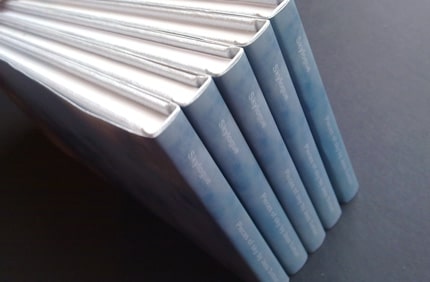
Skylogue is a 96-page hardback photobook built from Jess Sutton’s long-term project documenting skies across the UK. The book’s clean layout and subtle sequencing earned it Photobook of the Year at the Digital Printer Awards 2010.
Key Details
96 page hardback format
Matte laminated cover
170gsm silk stock for smooth tones
Precise colour management to avoid gradient banding
Shows how focused themes benefit from careful design
2. Monochrome Monday by Vero
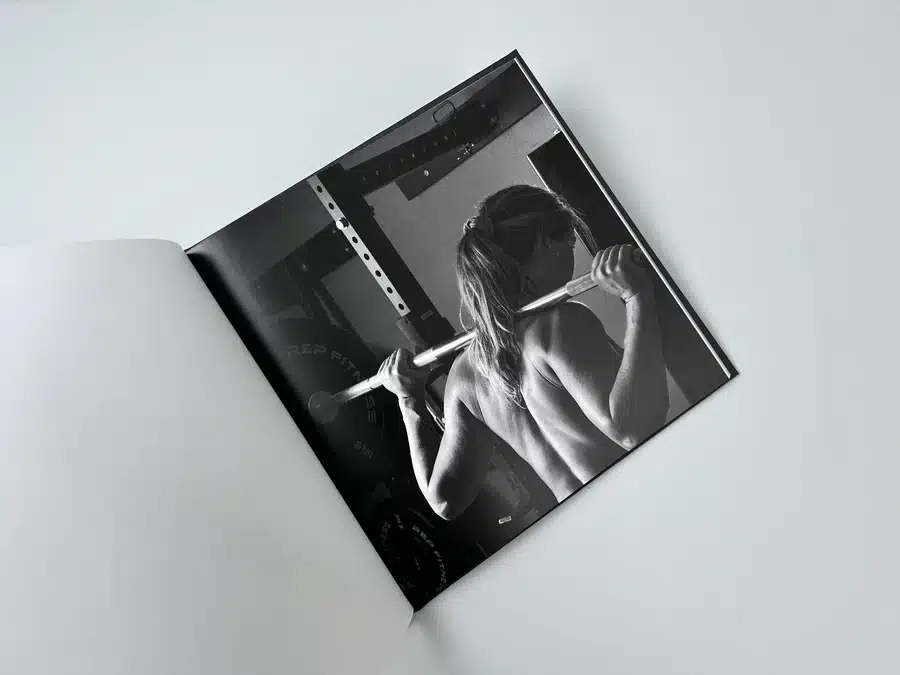
Monochrome Monday brings together the best black-and-white images from the #momo community on Vero. The book is designed to highlight contrast, tone, and composition through clean layout choices and high-quality print materials.
Key Details
260 × 196 mm softcover, perfect bound
270gsm Colorplan Ebony Black cover with embossing
104 pages on 150gsm uncoated paper
White ink spine text
Simple spacing and uncluttered layout
Why It Works
Textured cover and embossing create a premium feel
Uncoated stock enhances midtones and soft blacks
Minimal design keeps attention on form and contrast
A cohesive presentation for monochrome projects
3. Of Kent: England Re-Opening by Marianne Dissard
Of Kent: England Re-Opening is a 210 x 148 mm perfect-bound photobook that captures Kent after lockdown through calm landscapes and everyday moments.
Key Details
210 × 148 mm perfect bound
56 pages on 130gsm silk
250gsm matt laminated cover
Full colour CMYK (Fogra39 profile)
Mix of panoramic and detail shots
Why It Works
Soft colour accuracy matches natural scenes
Simple layouts keep focus on storytelling
Matte lamination adds durability and clarity
Ideal reference for travel and documentary photobooks
4. The Ecstasy of Everything by Luke Stephenson
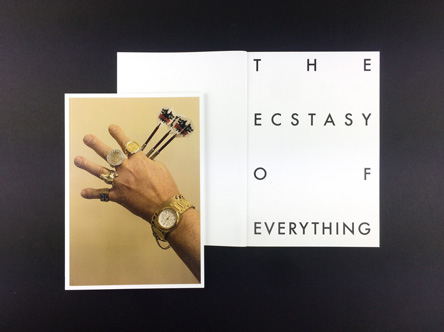
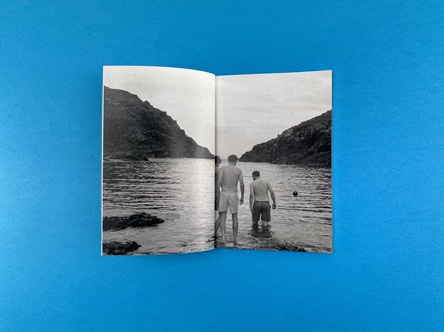
This photobook, The Ecstasy, collects almost ten years of Luke Stephenson’s work in a compact 240 x 170 mm format. The book runs to 62 pages and is perfect bound for a neat and professional finish. The images move between portraits, everyday British scenes, and playful documentary moments. The sequencing keeps the viewer engaged without crowding the visuals.
Key Details
240 × 170 mm format
300gsm silk cover with matte lamination
170gsm silk interior pages
Perfect bound finish
Balanced mix of portrait and documentary images
Why It Works
Silk stock delivers rich colour depth
Matte lamination keeps the cover protected
Compact size suits varied visual content
Sequencing creates an easy, engaging flow
5. The Sun Will Come Out Again by Tom Krawczyk
The Sun Will Come Out Again by Tom Krawczyk is a small square book sized at 152 x 152 mm. It has a four-page cover printed on 250 gsm uncoated paper with a matt laminated finish. Inside, the 38 pages are printed on 115 gsm uncoated stock, which gives the images a soft, natural look. The colours reproduce accurately through four colour printing, and the perfect bound finish keeps the book neat and easy to handle.
Key Details
152 × 152 mm square format
4 page 250gsm uncoated cover with matte lamination
38 pages on 115gsm uncoated stock
Four colour printing for accurate tones
Perfect bound style
Why It Works
Compact size feels personal and approachable
Uncoated paper suits natural lighting and soft tones
Clean sequence supports storytelling
A practical format for travel or documentary work
6. Intimacy by Ashton Thorp
Intimacy is a small, quiet photobook centred on close portraits and soft moments. The A5 perfect-bound format and 140gsm uncoated pages give it a calm, tactile feel.
Key Details
A5 perfect-bound format
140gsm uncoated interior pages
Soft-touch matte cover
Mixed full-bleed and centred compositions
Calibrated CMYK for uncoated paper
Why It Works
Paper choice enhances gentle tones
The layout supports the intimate theme
Soft touch cover adds a tactile element
Ideal for portrait or personal projects
7. Elemental by Adam Sheridan
Elemental captures the raw forces of nature, land, air, fire, and water, through dramatic landscapes and abstract textures
Key Details
80 pages with panoramic and inset images
Clean minimalist typography
200gsm matte art paper
Select glossy spreads for water and fire
High resolution production for fine textures
Why It Works
Matte paper preserves detail without glare
Gloss highlights amplify dramatic moments
Visual pacing creates a cinematic effect
Shows how print finishes elevate storytelling
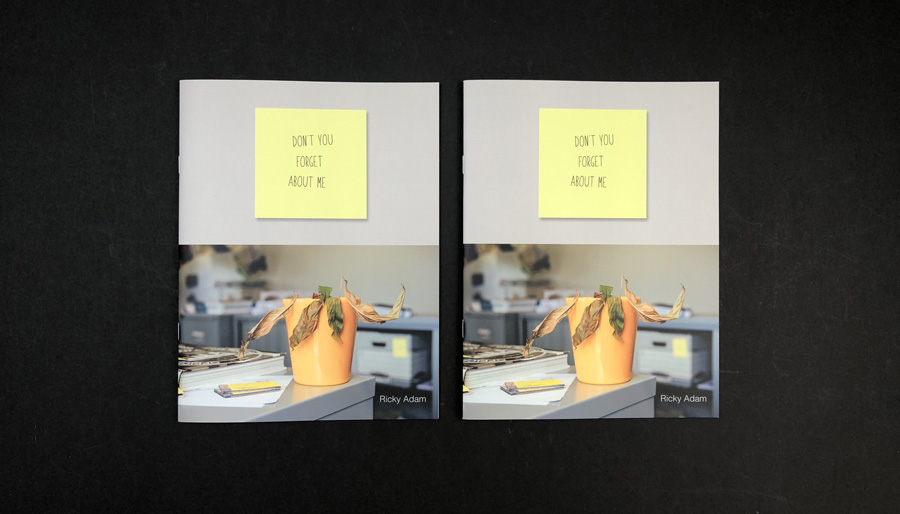
8. Don't You Forget About Me by Ricky Adam
Don’t You Forget About Me brings together digital photos and old film scans to create a simple record of everyday memories.
Key Details
Opens with film frames transitioning to digital shots
Paired spreads based on mood or theme
170gsm uncoated art paper
Warm colour reproduction with matte finish
Case bound with cloth spine and soft-touch jacket
Why It Works
Print choices support emotional tone
Consistent pacing creates a gentle rhythm
Natural paper adds softness
Ideal for memory, tribute, or personal archive projects
9. A Collection of Portrait & Documentary Photographers
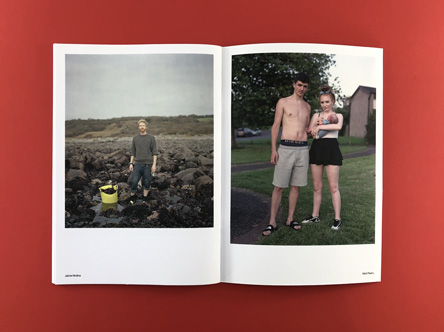
A Collection of Portrait and Documentary Photographers brings together work from several portrait and documentary photographers in one cohesive publication. It presents a mix of styles while keeping a smooth and consistent reading flow.
Ideal for studios, collectives, and curated showcases
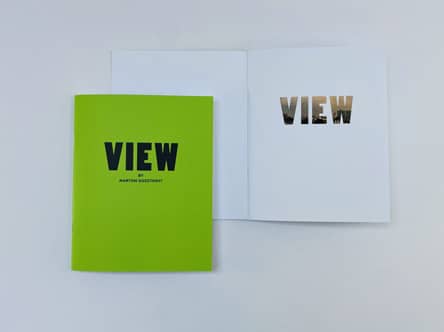
10. View by Marton Gosztonyi
View is a simple staple-bound photobook printed with a soft-touch 350 350gsm cover and 170gsm uncoated pages. The matte finish suits calm landscapes and keeps tones soft and natural.
How to Choose the Right Photobook Printing Service Provider?
Choosing the right photobook printing service becomes easier when you know what matters most to your project. Instead of comparing everything at once, focus on the features that shape quality, workflow, and the final look of your book.
1. What Are Your Photobook Needs? Occasion, Size, and Style
Before selecting a photobook printer, clarify the purpose, size, and style of your book. Knowing whether it’s for a wedding, portfolio, or personal archive helps you choose the right format, design software, paper, and layout.
This approach ensures decisions are intentional, reduces overwhelm, and results in a book that fits both your vision and the content perfectly.
2. How Do Print Quality, Paper Type, and Binding Affect the Final Result?
Print quality, paper choice, and binding style directly impact how your images appear and feel. Glossy, matte, or lustre papers influence colour and texture, while lay-flat or perfect-bound designs affect presentation and longevity.
Understanding these options ensures your hardcover books photobook delivers sharp, vibrant images and a polished, professional finish that matches your expectations.
3. How Fast Are Turnaround Times and Which Proofing Options Matter?
Production speed and proofing options are essential for timely, accurate results. Standard timelines vary, while express services and local studios offer faster delivery. Proofing tools, like on-screen previews, test prints, and colour guidance, help catch errors early, ensuring the final photobook meets quality standards without costly reprints or delays.
Final Thoughts on Choosing the Right Photobook Printer
A well-made photobook turns your digital images into something real, meaningful, and lasting, capturing your favourite moments. The right printing service helps your colours stay true, your layouts stay clean, and your story comes through on every page. Whether you are creating a client album, a personal keepsake, or an artistic project, your choice of printer shapes the final result.
As you explore the options, focus on print quality, paper, binding, design flexibility, and turnaround times, which typically span several business days. With the right fit, you can create a photobook that feels intentional, durable, and worth returning to again and again.
Frequently Asked Questions
Which photobook printing service offers the highest quality prints in the UK?
Ex Why Zed and Cewe are among the UK's best online photo book makers for high-quality photo books. They offer sharp prints, accurate colours, and premium finishes, making them reliable choices for photographers who want professional, polished results.
Are there photobook printing London companies with fast delivery options?
Many London photobook printers, including Ex Why Zed, offer fast turnaround options. Local services shorten delivery times and provide reliable support, making them ideal when you need a high-quality personalised photo album book that reflects the final product on a tight deadline.
What features matter most when choosing a photobook printing company?
Focus on print quality, paper, cover materials, binding options like lay flat, and a range of options for easy design tools. Strong customer support also matters. Reviewing these factors helps you choose a photo book service that delivers a high quality album.
What is the best photo quality for photobooks?
Use high-resolution images of at least 300 DPI for large XL Square Photo Book photobooks. This keeps your photos sharp and clear. Most good photobook makers alert you if an image is too low in resolution for quality printing.
What is the best company to make a photo book?
The best choice depends on your needs. Ex Why Zed is ideal for premium print quality and service. Cewe offers strong quality at a fair price, while Photobox suits simple, budget-friendly projects. Choose based on quality, cost, and ease.
What is the best photo quality for photobooks?
Use original, high-resolution files for the best print quality. Aim for 300 DPI at the final print size to keep images sharp and avoid any blurriness in your photo album book filled with your favourite photos.
What binding options are available for the photobooks?
Most photo book printing services offer options like perfect binding, hardcover binding, and premium layflat binding. Layflat books open fully flat, making them ideal for seamless double-page spreads and giving your large landscape photo album a more premium, polished feel.
Are there any customer reviews comparing different online photobook printing services?
Yes, many users share reviews comparing online photobook printing services, highlighting print quality, paper and binding options, colour accuracy, turnaround times, pricing, and customer support, helping you choose the service that best fits your photography needs.
Key Highlights
A photobook prints images directly onto flexible pages, creating a cohesive, coffee-table style publication.
A photo album uses thick board pages to mount separate prints, offering a more traditional, structured format.
Photobooks are ideal for lots of photos, travel journals, yearbooks, and creative storytelling.
Photo albums feel heavier and more ceremonial, making them popular for weddings and milestone events.
The difference between a photobook and a photo album lies in structure, flexibility, durability, and design control.
Your choice depends on the occasion, number of images, budget, and whether you want permanent or rearrangeable pages.
Ex Why Zed supports creators and brands with tailored photobook printing solutions, offering expert guidance on format, paper stock, binding, and finish.
You have hundreds, sometimes thousands, of photos sitting on your phone or hard drive. A wedding. A creative project. A year abroad. A body of artwork. The question is simple, but surprisingly confusing: photo album or photobook?
At first glance, they sound interchangeable. Many people use the terms as if they mean the same thing. But when you start planning to print your work, the difference between a photobook and a photo album becomes important. Structure, finish, cost, durability, and creative control all vary.
In this guide, you’ll discover exactly what a photobook is, what a photo album is, how they differ, and which format suits your purpose. Whether you are preserving personal memories or producing a creative publication, you’ll be able to choose confidently.
What Is a Photobook?
A photobook is a professionally printed and bound book where your images are printed directly onto the pages, forming a cohesive, designed publication.
Unlike traditional albums, photobooks are produced as a complete unit. Images, text, layout, and sequencing are finalised before printing, resulting in a polished, editorial style finish. Whether you are compiling favourite photos from a recent project or restoring old photos into a new narrative, everything is curated before the book goes to print.
Key Features of a Photobook
Photobooks typically include:
• Images printed directly onto bound pages • Fixed layouts and curated sequencing • Professional binding such as perfect bound or hardback • Design control over typography and white space • Consistent paper stock throughout • A permanent, non-rearrangeable format
The focus is on presentation, storytelling, and visual impact rather than storage flexibility.
When Should You Choose a Photobook?
Choose a photobook when:
You want a curated narrative or story
Layout and typography matter
You need a professional portfolio
You are publishing creative work
You want a sleek, permanent format
Photobooks are ideal when you have lots of photos but want to present only the strongest selection in a structured, intentional way. They work especially well for creative projects, exhibitions, travel journals, brand lookbooks, and limited-run publications. They are also excellent for showcasing family portraits in a refined, design-led format rather than storing them loosely.
A photo album is a physical book designed to hold separate printed photographs that are inserted into sleeves or mounted onto pages.
Instead of printing directly onto the pages, photographs are printed separately and placed into the album. This allows you to rearrange, remove, or add images over time as your collection grows.
Photo albums have evolved in structure and presentation. The table below outlines the key differences between traditional and modern formats.
Category
Traditional Photo Album
Modern Photo Album
Page Type
Thick card pages
Plastic sleeves or pocket inserts
Photo Placement
Adhesive sheets or corner mounts
Slip-in pockets or ring binders
Protection
Tissue overlays between pages
Plastic protective covers
Flexibility
Limited rearranging once mounted
Easy to rearrange or replace
Aesthetic
Classic, archival feel
Clean, practical, and functional
While some premium albums feature heavy board covers and presentation boxes, their function remains storage-based rather than printed page-based.
The emphasis is on flexibility and safeguarding physical prints rather than fixed design layouts.
When Does a Photo Album Make More Sense?
A photo album is ideal when:
• You want to add photographs gradually • You prefer rearranging images over time • You already have printed photos • You enjoy assembling collections manually
Albums are commonly used for family archives, baby photographs, generational portraits, and milestone events where expansion is expected.
Looking for the best photobook printing for your creative project? Discover how to choose the right paper, binding, and finish to make your book truly stand out.
Photobook vs Photo Album: What Are the Key Differences?
Although they may appear similar, a photobook and a photo album are built very differently. The structure, printing method, durability, and cost all affect how your images are presented and preserved. Understanding these distinctions makes the decision far simpler.
Key Differences at a Glance:
Criteria
Photobook
Photo Album
Page Type
Flexible paper pages
Thick, rigid board pages
Image Placement
Printed directly onto pages
Mounted photographic prints
Layout Control
Fully designed before printing
Rearranged physically
Text Integration
Built into the layout
Added separately or not at all
Weight
Lighter, book-like feel
Heavier, substantial feel
Durability
Varies by binding and paper choice
Generally more robust due to thick pages
Cost
Single integrated production cost
Album cost plus separate print costs
Customisation
High design control over layout, typography, and sequencing
Limited to the arrangement of inserted prints
Rearrange Photos?
No, pages are fixed once printed
Yes, prints can be added or repositioned
Creative Elements
Supports graphic design, captions, full-bleed images, and storytelling
Focused on display and preservation rather than design
Need inspiration before you print? Explore real creative projects in our Photo Book Examples guide and see how ideas transform into beautifully printed photobooks.
What Are the Pros and Cons of a Photobook?
Before choosing a photobook, consider how its structure supports presentation and storytelling, but limits flexibility once printed.
Pros
Cons
Full creative control over layout and typography
Pages cannot be rearranged after printing
Professional, editorial finish
Requires upfront design decisions
Integrated captions and text
Updates require a full reprint
Lighter and easier to store
Less ceremonial feel than thick albums
Ideal for curated storytelling
Layout planning takes time
Photobooks are best when you want a permanent, polished publication with strong narrative flow.
What Are the Pros and Cons of a Photo Album?
A photo album prioritises flexibility and preservation, but offers less control over design and presentation.
Pros
Cons
Photos can be rearranged or added over time
No integrated layout design
Thick pages feel durable and substantial
Separate print costs increase the expense
Ideal for storing printed photographs
Limited typography options
Tactile, hands-on assembly
Heavier and bulkier
Suitable for generational archives
Not suited to structured storytelling
Photo albums work well when adaptability and long-term storage matter more than design permanence.
Which Should You Choose? Matching Formats to Occasions
Choosing between a photobook and a photo album depends on purpose, presentation, and longevity. Before deciding, consider the number of images you have, the desired level of formality for the finished piece, and whether you prefer flexibility or permanence in the final result.
1. Weddings and Milestone Events: Photo Album
For weddings, anniversaries, and formal family portraits, presentation matters. A traditional photo album often feels ceremonial and heirloom-ready, especially when crafted with thick board pages and protective overlays. It suits occasions where the object itself carries emotional weight and is intended to be passed down through generations.
2. Travel, Yearly Reviews, and Storytelling: Photobook
If you have hundreds of images from a holiday, a creative project, or a year in review, a photobook offers a greater structure. It allows you to organise lots of photos into a designed narrative, with captions and sequencing that guide the reader. This format works particularly well for storytelling and curated collections.
3. Creative Portfolios and Professional Work: Photobook
For photographers, artists, and designers, a photobook provides a polished, editorial finish. Because images are printed directly onto high-quality pages, the result feels closer to a published book than a scrapbook. It is ideal for exhibitions, client presentations, or independent publishing projects.
4. Growing Family Collections: Photo Album
If you regularly print and store old photos or add new family photo prints and portraits over time, a photo album offers practical flexibility. You can rearrange pages, expand collections gradually, and update the album without committing to a fixed design.
Ultimately, the right choice comes down to how you want your memories and favorite photos to be experienced. If you value permanence and design, choose a photobook. If you prefer adaptability and tradition, a photo album may be the better fit.
Thinking of creating your own book from scratch? Explore our step-by-step guide to making a beautifully printed project in our DIY Photobook guide.
How Are Photobooks Produced?
Photobooks are designed digitally, often using layout software. Once approved, they are:
Printed on high-quality paper stock
Bound using techniques such as perfect binding, section sewn binding, or layflat binding
Trimmed and finished as a complete book
The images are not inserted afterwards. They are printed directly onto the pages, creating a seamless flow from start to finish.
Depending on the printer, you may also choose between medium sizes or larger format options, different cover finishes, and even presentation boxes for a more premium feel. Professionally printed photobooks aimed at creatives often prioritise paper weight, colour accuracy, and binding strength over decorative packaging alone.
How Are Photo Albums Produced?
Photo albums are manufactured using heavier materials than photobooks. Production typically involves:
• Board or thick card page construction • Sleeve or adhesive mounting systems • Hard covers wrapped in cloth, leatherette, or printed paper • Optional presentation boxes for protection
Unlike photobooks, where images are printed directly onto bound pages, photo albums are designed to house separate prints. Their durability comes from material strength and protective layering rather than printing integration.
Why Should You Print Your Photobook with Ex Why Zed?
Designing a photobook is one thing. Making it look and feel exceptional in print is another. Colours can shift, blacks can lose depth, paper can feel flimsy, and binding can cheapen the overall experience. When you have invested time curating your favourite photos, the final result should reflect that effort.
Ex Why Zed helps turn your digital layout into a professionally printed photobook that feels intentional, refined, and built to last. Here is what sets them apart:
Reasons to Print With Ex Why Zed
Keep Colours Rich and True to Your Vision: Careful colour management ensures tones remain accurate and consistent, so your images retain depth, contrast, and clarity.
Preserve Fine Detail on High Quality Paper: From subtle gradients to intricate textures, high-resolution printing on premium stocks ensures your work looks sharp and professional.
Fast Turnaround Without Compromising Quality: Stapled zines are delivered in three working days, and perfect-bound books in five, ideal for launches, exhibitions, or tight deadlines.
Free Professional File Check: Before printing begins, your files are checked for resolution, bleed, alignment, and technical accuracy to avoid costly mistakes.
Free Paper Samples: Compare paper weights and finishes before committing. This allows you to choose the stock that best suits your project.
Storage, Fulfilment, and Distribution Support: Beyond printing, Ex Why Zed can store, pack, and distribute your books, making it a practical partner for independent creators and small publishers.
Friendly Advice from Real Humans: You speak directly with experienced print specialists who understand creative workflows and guide you clearly through the process.
Printing with Ex Why Zed transforms your photobook from a simple printed product into a finished publication. Whether you are building a portfolio, creating a family yearbook, or launching a limited-run project, your work deserves professional execution.
Ready to turn your photos into a professionally printed photobook? Visit us to request free paper samples, get a free file check, and speak directly with the team about your project. Send your PDF, choose your finish, and let Ex Why Zed handle the rest.
Final Thoughts
Choosing between a photobook and a photo album ultimately depends on your personal preferences and the occasions you wish to commemorate. Photobooks offer a modern and customisable way to showcase your memories with high-quality printing and a sleek design, making them ideal for special events.
On the other hand, traditional photo albums provide a nostalgic touch with their tactile feel and the charm of flipping through physical pages. Whichever format you decide on, remember that the most important aspect is to preserve your cherished memories.
Frequently Asked Questions
Are photobooks or photo albums better for preserving memories?
For key milestones with high sentimental value, such as your wedding day or special occasions, a photo album is often preferred for family heirloom projects. However, hardcover photo books printed on photographic paper offer a beautiful way to preserve the best quality everyday moments with high-resolution photos.
Is it easier to add captions and text in a photobook or a photo album?
Yes, it is easier in a layflat photo book. Designed like a traditional book or even an image of a traditional magazine, it uses flexible art paper pages that allow integrated text, panoramic spreads, and layout control alongside your favourite photos.
How do I decide between a photo album and a photobook for my photos?
Consider the main difference: flexibility versus permanence. If you have lots of wedding photos or a higher page count from your camera roll, choose a photobook. If you have fewer high resolution photos with high sentimental value, a collectible mini album may feel more appropriate.
Which is better for preserving memories: a photobook or a photo album?
For high sentimental occasions such as weddings or cherished family milestones, a traditional photo album with thick board pages offers a sturdy, heirloom feel. Photobooks, especially hardcover editions, provide a modern alternative for preserving a carefully curated collection in a refined format, often ideal for projects requiring a high page count.
Can I add captions and text easily in a photobook compared to a photo album?
Yes. Photobooks allow text to be fully integrated into the layout, making it easy to combine captions, stories, and typography with images. Photo albums focus on mounting printed photos, which limits space for structured text and design elements.
What is the purpose of a photo book?
The purpose of a photo book is to transform a digital camera roll into a cohesive, professionally presented collection of photographs, including your own curated selection of special photos for your own custom photo book. It offers a beautiful way to organise favourite photos into panoramic spreads with a polished, editorial finish.
How do I turn a Google photo album into a book?
Download high-resolution photos from your camera roll or Google album, select your favourite photos, and upload them to a professional printer. Many services provide a helpful table or layout guide to structure your higher page count effectively.
Are photobooks more durable than traditional photo albums?
Durability depends on materials and binding quality. Professionally printed photobooks with section sewn or layflat binding can provide an extra layer of protection and be highly durable. Traditional photo albums, with thick board pages, may feel sturdier, but adhesives and mounted prints can deteriorate over time.
In your opinion, is a traditional photo album better than a photo book?
It depends on the occasion. Landscape photo albums with leather cover options suit weddings and important step celebrations. Photobooks, particularly in large portrait format, with a card cover work better for professional photographers showcasing lots of wedding photos or creative projects.
Key Highlights
Plan your theme, purpose, and format for a cohesive photobook.
Organise images and maintain consistent colour and tone.
Choose high-quality paper and durable, well-designed covers.
Add subtle creative touches to enhance storytelling.
Learn from Ex Why Zed case studies like Skylogue and Monochrome Monday.
Assemble pages, spines, and covers carefully for durability.
Combine DIY creativity with professional printing for accurate colour and layouts.
Use test copies, paper samples, and file checks for flawless results.
Treat your photobook as a finished object, not just a collection of images.
Creating a DIY photobook often feels exciting at first, until you are faced with the choices that truly define the outcome. Selecting images, shaping a visual story, and deciding how the book should feel in someone’s hands can quickly become overwhelming. Many photographers struggle to move beyond loose ideas and turn their work into a finished object that feels intentional rather than improvised.
The real challenge is not just collecting photographs, but turning them into a meaningful, cohesive object. Without careful planning, even strong images can feel disconnected, layouts can become cluttered, and paper or binding choices can weaken the impact of the work. Questions about size, paper type, cover finish, binding, and print quality can stall the DIY process before the photobook ever feels complete.
This blog is designed to guide you through creating a DIY photobook with clarity and purpose. From shaping your narrative to preparing files for print, you will learn how to make informed choices and create a photobook that reflects your vision with clarity and purpose.
How to Plan Your DIY Photobook?
Good planning sets the direction for your DIY photobook. It helps define a clear story, reduce editing time, and prepare files correctly for the right size photobook printing, whether handmade or professionally printed, ensuring there is plenty of space for your cherished memories.
1. Defining the Theme and Purpose
A strong theme gives your DIY photobook focus and consistency, ensuring every image, layout, and format choice supports a single narrative.
Key planning decisions to lock early:
Purpose: personal archive, portfolio, or gift
Theme: event-based, visual study, or long-form story
Format: landscape, portrait, or square
Cover direction: minimal, typographic, or image-led
2. Organising Photos and Workflow
Organisation simplifies selection and speeds up layout, particularly if you plan to print a photobook from a PDF. A structured workflow avoids last-minute changes and costly print errors.
Follow this workflow:
Collect all images into one master folder
Create subfolders by chapter or sequence
Select only images that serve the narrative
Edit for consistent colour and tone
Export print-ready files
3. Choosing High-Quality Papers and Covers
Paper and cover selection directly affect how your photobook looks and feels, available in a variety of sizes. High-quality paper ensures colour accuracy, contrast, and texture, while the right cover signals professionalism.
Key options to consider:
Photographic paper for strong colour depth and fine detail
Matte paper for glare-free viewing and editorial layouts
Heavy uncoated paper for zine-style or handmade projects
Covers should protect the book and enhance presentation:
Hardcover or bookcloth finishes for durability
Layflat binding for full-spread images in portfolios or exhibitions
Mixed-media covers combining text, imagery, and illustration
Hand-painted or screen-printed designs for limited editions
5. Finding Inspiration from UK Photobook Venues
Looking at professionally published size photo books helps you understand sequencing, pacing, and material choices before printing. Focus on how books are constructed, not just the images.
What’s the Step-by-Step Process for Making Your DIY Photobook?
Creating a DIY photobook is most effective when you follow a clear, repeatable workflow that balances creative freedom with print readiness. Whether making a fully handmade dummy or preparing a file for professional printing, following these steps ensures your photobook is visually compelling, well-sequenced, and ready for exhibition or personal use.
Step 1: Plan Your Layout and Story
Before cutting or folding, define the sequence of images and the story you want to tell. This wonderful way helps prevent mistakes and ensures consistency in pacing and composition.
Map images to pages or spreads
Decide which images will be full-bleed or framed
Determine chapter breaks, thematic spreads, and white space
Sketch rough page layouts to visualise flow
Planning reduces rework and ensures your photobook feels cohesive.
Step 2: Assemble Internal Pages
Once the layout is finalised, prepare the individual pages for your photobook. Thick cardstock or high-quality paper is recommended for durability.
Print images at high resolution on chosen paper stock
Trim pages to a consistent size slightly smaller than the finished book to allow for alignment
Mount double-sided spreads on a thicker backing if needed
Use a light adhesive to avoid warping
Let the pages dry fully before assembling
This step creates a tangible structure for sequencing and testing the book flow.
Step 3: Construct the Spine and Book Structure
A strong spine ensures pages stay aligned and allows the book to open properly.
Decide on spine type: accordion, concertina, sewn, or glued
Fold spine carefully using a bone folder or straight edge for precision
Attach pages securely to the spine, maintaining alignment
Test page turning to ensure smooth flow and consistent pacing
A properly constructed spine is essential for both handmade and printed photobooks.
Step 4: Make the Covers
Covers provide protection and aesthetic appeal. They can be simple or creative, depending on your project.
Cut cover boards slightly larger than the pages for proper overlap
Wrap boards in fabric, paper, or printed designs
Attach hinge strips to allow the book to open smoothly
Consider embossed, screen-printed, or minimal typographic elements for added style
Well-made covers enhance the professional feel of your DIY photobook.
Step 5: Attach Pages to the Covers
With the spine and covers ready, combine them carefully:
Use strong adhesive or cloth hinges to attach page blocks to the cover
Align pages to the spine evenly to prevent bulging or misalignment
Let the adhesive set completely before handling the book
Check that pages open flat without tearing or buckling
This step ensures your book is durable and readable.
Step 6: Add Creative and Interactive Details
Small, tactile additions can enhance storytelling without distracting from the images:
Vellum overlays for captions or soft transitions
Cardstock pockets for notes or additional materials
Ribbon markers or tabs to guide readers and highlight your favourite moments.
Inserts such as mini prints or maps for context
These details can be integrated into short-run editions and adapted for professional printing later.
Step 7: Prepare for Print-Ready Files (Optional for Professional Printing)
If you plan to produce professional copies of classic photographic paper:
Scan handmade pages if creating a digital version
Soft-proof colours to ensure accurate reproduction
Check layouts and sequence in PDF format
Order a fully bound test copy to verify colours, flow, and binding
Professional printing services such as Ex Why Zed can then translate your DIY project into gallery-ready, high-quality photobooks.
Step 8: Final Finishing Touches
Once the book is assembled:
Inspect all pages and covers for alignment and consistency
Press the book under a weight to flatten pages if needed
Clean edges and remove any excess adhesive
Optionally add protective sleeves or boxes for archival storage
These finishing touches make your photobook durable, professional, and collectible.
By following these steps, photographers can create a DIY photobook dummy to experiment with layout, pacing, and design before committing to professional printing. This approach bridges the gap between a handmade concept and a polished, professionally printed book.
What Are Some Innovative DIY Photobook Ideas for 2026?
DIY photobooks in 2026 focus on clarity, sequencing, and material choice, all contributing to a modern look. Rather than decorative excess, creators are prioritising strong visual narratives, thoughtful layouts, and premium covers that translate well across exhibitions, fairs, and curated photography platforms.
The most inspiring ideas come from real-world examples of photobooks produced by Ex Why Zed, showcasing how print, layout, and finishing choices can elevate storytelling.
1. Innovative Layouts and Storytelling Concepts
Ex Why Zed photobooks demonstrate how layout and sequencing shape narrative:
Skylogue by Jess Sutton, is a 96-page hardback with matte laminated cover and silk pages. Strong sequencing and full-bleed spreads create an atmospheric flow of skies across the UK.
Monochrome Monday by Vero is a Softcover, perfect-bound with uncoated pages. Minimal design and high-quality printing highlight contrast, tone, and composition.
These examples show how thoughtful sequencing, full-bleed images, and paper choice can turn images into cohesive, engaging narratives.
2. Personalised Touches for DIY Photobook Projects
Handmade or custom elements should support the work, not compete with it. Ex Why Zed photobooks illustrate subtle personalisation techniques that enhance storytelling:
Intimacy by Ashton Thorp is a soft-touch matte cover, uncoated pages, and mixed full-bleed compositions that add tactile intimacy to portraits.
These photobooks demonstrate how layout, paper, binding, and finishing choices influence storytelling, pacing, and viewer engagement, offering tangible inspiration for your own DIY projects.
Want to turn your DIY photobook into a professionally printed title without losing creative control? This step-by-step guide walks you through layout, file setup, and print-ready preparation so your work transitions smoothly from concept to press.
What Are the Best Tips for Creating a Stunning DIY Photobook?
Creating a DIY photobook allows photographers to showcase their work with full creative control while maintaining professional quality. The key is to plan carefully, use the right tools, and test your files before printing.
Plan Your Layout: Map out your image sequence to tell a cohesive story, decide on pacing and spread layouts, and choose the right photo book size for your project.
Select Paper & Binding: Choose paper stock that complements your style, pick a durable binding type like stapled zines, perfect-bound, or hardcover, and select a cover finish that enhances the presentation.
Maintain High-Quality Files: Ensure images are high-resolution (300 DPI) to avoid pixelation, keep margins, fonts, and spacing consistent, and export press-ready PDFs for professional printing.
Test Before Final Print: Use flat sheet proofs to check color accuracy and image details, and review fully bound test copies to assess the book’s flow and binding.
By following these steps, your DIY photobook will be visually compelling, professionally presented, and ready for galleries, fairs, or personal collections.
If you are exploring short-run formats or testing new ideas before committing to a full photobook, this guide on how to print a zine breaks down paper choices, file setup, and print finishes to help you move from concept to a professionally printed result.
Why Choose Ex Why Zed for Your DIY Photobook Printing Needs?
When your DIY photobook is ready to move beyond a prototype, Ex Why Zed offers production capabilities designed specifically for photographers, artists, and independent publishers. Our services are built to support short runs, exhibition books, and sellable editions without compromising creative intent.
Key Ex Why Zed features that matter for serious photobook projects:
Print-on-demand and short-run printing: Produce small editions, test dummies, or limited releases without overcommitting, including small-format photobooks for special occasions.
Digital and litho printing options: Scale your project from an initial DIY run to larger editions while maintaining colour intensity and visual consistency.
Wide range of paper weights and finishes: Choose stocks suitable for image-heavy books, text-led layouts, or mixed-content projects.
Flexible binding options: Booklet, perfect binding, and PUR binding tailored to page count, durability, and retail presentation.
Hands-on file checking and print advice: Ensure PDFs are print-ready and avoid common production issues.
Fully bound test copies: Review your book in hand before committing to a full print run.
Free UK delivery: Receive your custom photo books without extra shipping costs, no matter the size of your order.
Sample paper packs: Compare paper textures, finishes, and weights before finalising your project.
UK-based production with fast turnaround: Perfect for tight deadlines tied to exhibitions, fairs, or portfolio reviews.
Ex Why Zed does not rely on rigid templates or automated workflows. Instead, it supports creators who want full control over layout, sequencing, and material choices. This makes it a strong printing partner for photographers whose DIY photobooks are destined for curated platforms, bookshops, and professional showcases rather than casual keepsakes.
Ready to turn your DIY photobook into a print-ready project? Use Ex Why Zed’s Printed Project Builder to upload your PDF, select paper, size, and binding, and get a clear, instant quote for your project before you go to print.
Final Thoughts
Creating your perfect DIY photobook is about making deliberate choices, from shaping a clear narrative to selecting materials and preparing files that respect your beautiful photos and work. When planning, design, and print decisions align, the result feels intentional rather than improvised.
Whether you choose a handmade approach or professional printing, focus on sequencing, the highest quality, and restraint. Treat your photobook as a finished object, not just a collection of images on the pages of your photo book, and it becomes something worth revisiting, sharing, and standing behind with confidence.
Frequently Asked Questions
Can I design and order a personalised photobook online in the UK?
Yes. Many UK services let you design a personalised photobook using online editors, downloadable software, or mobile apps, including creating your first CEWE photobook. The best way to upload photos, customise layouts and covers, then order printed copies delivered directly to your address is through these platforms.
What are some creative design ideas for a photobook DIY project?
Strong photobook DIY ideas include mixing image sizes, using handwritten captions, adding vellum overlays, and experimenting with asymmetrical layouts to design the perfect keepsake that holds your special memories, including a travel photo album. Fabric or textured covers and minimal design choices help create a distinctive, contemporary photo book.
How does photobook printing compare across UK sites in terms of quality and price?
Photobook printing quality and pricing vary across UK providers. Premium services offer an extremely high level of detail with better paper stocks, vibrant colours, colour accuracy, and binding at higher prices, while budget options are cheaper but may compromise durability, paper thickness, and print consistency in a large landscape photo book.
Why would you use a photo book instead of a photo album?
A personalised photo album, or photo book, prints images directly onto pages, allowing full control over layout, text, and sequencing. Unlike traditional albums, personalised photo albums gather all of your favourite photos and memories, offering a cleaner, modern presentation and a professionally bound format suited to storytelling and display.
Which is the best personalised photo book?
The best personalised photo book depends on your goals and the number of photos you wish to include. Consider your image style, preferred size, paper quality, cover finish, and your favourite images. A good service should support creative layouts, reliable printing, and formats that complement your visual narrative.
What are some tips for making a photo book yourself?
Start by defining a clear theme and organising images carefully to commemorate your big day. Use consistent margins and layouts, work with high-resolution files, add restrained text, and always proof layouts before printing to ensure the number of pages is appropriate to avoid sequencing or cropping errors.
How do online photobook sites compare for quality and price?
Online photobook sites range from budget-focused to premium. Higher-priced services usually deliver better paper that brings out a brilliant colour vibrance, adding a unique sumptuous depth to colour accuracy and binding, reminiscent of the traditional wet print process. Cheaper options can work for casual projects but may limit formats, finishes, and long-term durability.
How can you make your own photo book for free?
You can design a small landscape layflat photo book album for free using online editors or software such as Google Photos, which allows you to showcase your panoramic photos. While design tools cost nothing, printing is not free unless you print pages yourself at home and bind them manually.