Every page in a journal is a canvas for memories, ideas, and reflections; an archive you can revisit whenever inspiration strikes. Journal printing isn’t just about hitting print; it’s a carefully curated process that brings your creation to life.
Whether you're printing a poetry collection or a sketchbook, understanding how each element fits together is key to making your journal truly special.
In this blog, we’ll walk you through the steps of choosing paper, setting up layouts, and final touches to help you print professional-quality journals without the guesswork. Ready to bring your ideas to life on paper? Let's begin!
What Is Journal Printing?
Journal printing is the art of transforming your creative vision into a tangible, custom-made product. From vibrant cover designs to carefully crafted layouts, this process lets you personalize every aspect, ensuring your journal stands out. Whether it’s for a meaningful gift, a promotional item, or a product to sell online, custom journal printing ensures your designs shine with exceptional quality.
And when it’s time to elevate your creation, Ex Why Zed, one of the top journal printing companies, is the only partner you need. With an unmatched commitment to quality and craftsmanship, we bring your custom journal to life from concept to creation with precision. From premium papers to meticulous printing techniques, Ex Why Zed ensures your journal isn’t just printed; it’s brought to life in a way that’s as unique and personal as your design.
Who Is the Target Audience of My Journal?
Thinking of printing your journal? Great, but before choosing paper stock or print finishes, ask yourself: Who will hold this journal in their hands? Identifying your target audience is the cornerstone of meaningful journal design. A journal meant for mindfulness enthusiasts will look and feel entirely different from one created for design students, workshop attendees, or executive teams.
Teens and creatives might gravitate toward vibrant covers, dot-grid pages, or open-format interiors for sketching and free writing. In contrast, corporate users may prefer minimalist branding, ruled pages, and date headers for structured note-taking. By tailoring your design to a specific audience, your journal won’t just be printed; it’ll be purposeful.
How to Choose the Right Materials for Your Journal?
Once you are aware of your target audience, it's time to focus on choosing the right materials for your journal. From selecting the best paper to opting for the perfect binding options, the materials you select will impact both the look and usability of your next journal.
1. Choosing the Right Paper for Your Custom Journal
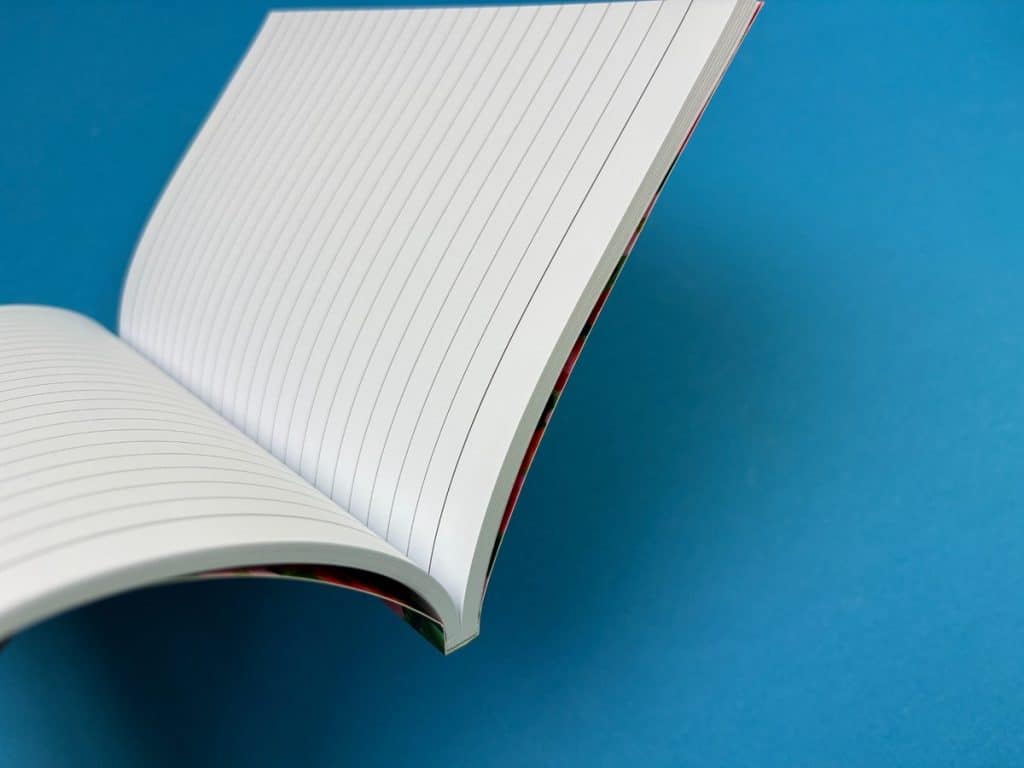
The paper you choose will affect how your journal feels and performs. For durability, thicker paper (70lb to 80lb uncoated) prevents ink bleed-through and gives your journal a substantial feel. If you're looking for smooth writing, uncoated paper is ideal for use with a pen or pencil. Blank pages are perfect for free expression, while notepad layouts provide a structured format for lists and detailed notes.
When choosing paper for your custom journal, Ex Why Zed offers high-quality options to suit every need. From smooth, uncoated paper for easy writing to eco-friendly recycled choices, we have got you covered. You can also choose silk or gloss finishes for a refined touch. With options ranging from 70lb uncoated to 300 gsm, Ex Why Zed ensures your journal is both functional and a pleasure to use.
2. Hardcover vs. Softcover: Which Is Right for Your Journal?
Your journal’s cover determines its feel and longevity. Hardcover is sturdy, offering a clean, professional finish that lasts. They’re perfect for high-quality, long-term use. Softcover journals, however, are lighter and more portable, making them ideal for on-the-go use or when shipping in bulk.
Your choice depends on the purpose: whether you need durability or easy portability.
3. Selecting the Best Journal Binding
Binding impacts both the look and usability of your journal. Perfect binding gives a sleek, polished finish that is ideal for paperback journals. For a more flexible option, spiral binding allows the journal to lie flat, making it easier to write in. Each binding method offers distinct advantages, so choose one based on how you want your journal to feel and how your audience will use it.
At Ex Why Zed, we help ensure your journal receives the perfect finish. Whether you choose perfect or spiral binding, our expert team will guide you in selecting the ideal option. With high-quality printing and quick turnaround times, Ex Why Zed guarantees exceptional results every time. Check out our binding options now!
How to Print Journals Step-by-Step?
Printing journals is simple. Just follow the steps below, and you will be good to go.
Step 1: Designing Your Journal Layout
Designing your journal layout is the first creative step toward bringing your vision to life. This is where you can experiment with different styles, fonts, and layouts that reflect your journal’s purpose. Whether it’s a simple, lined format or a creative, free-flowing design, the layout sets the tone for the entire journal. Keep in mind both functionality and aesthetics to ensure it’s easy to write in.
Pointers to Consider:
Font Selection: Choose readable fonts for body text and bold fonts for headings.
Margins & Spacing: Ensure there’s enough space for notes or doodles.
Page Layout: Decide whether you want one page or a spread design.
Numbering: Ensure pages are numbered for easy navigation.
Step 2: Preparing Files for Printing
Once your layout is finalised, it’s crucial to prepare your files correctly for printing. This step ensures that your design translates perfectly to the printed page. Ensure your files are high-resolution, properly formatted, and meet the printer’s requirements to avoid any issues. Having everything set up perfectly ensures smooth production and high-quality results.
Pointers to Consider:
File Format: Save your file as a high-quality PDF or TIFF for clarity.
Resolution: Ensure your images are at least 300 DPI for crisp printing.
Bleed Area: Extend the design slightly beyond the page border to avoid white edges.
Proofread: Double-check for spelling errors, alignment issues, and image clarity.
Step 3: Choosing a Printing Method
Now that your files are ready, decide on a printing method that suits your journal’s purpose and budget. The two most common options are digital printing and offset printing.
Pointers to Consider:
Digital Printing: Best for small batches and quick turnaround. Ideal for short-run journals or test versions.
Offset Printing: More cost-effective for large runs. Offers consistent color quality and durability.
Color Choices: Decide whether you want full-color or black-and-white printing.
Paper Type Compatibility: Make sure the method supports your chosen paper type and finish.
Step 4: Finalizing Print Specs and Placing the Order
After choosing a printing method, finalise the specifics of your journal, including paper size, binding type, cover finish, and quantity. This step ensures everything is communicated clearly to your printer to avoid delays or errors.
Pointers to Consider:
Trim Size: Confirm the final size of your journal after cutting.
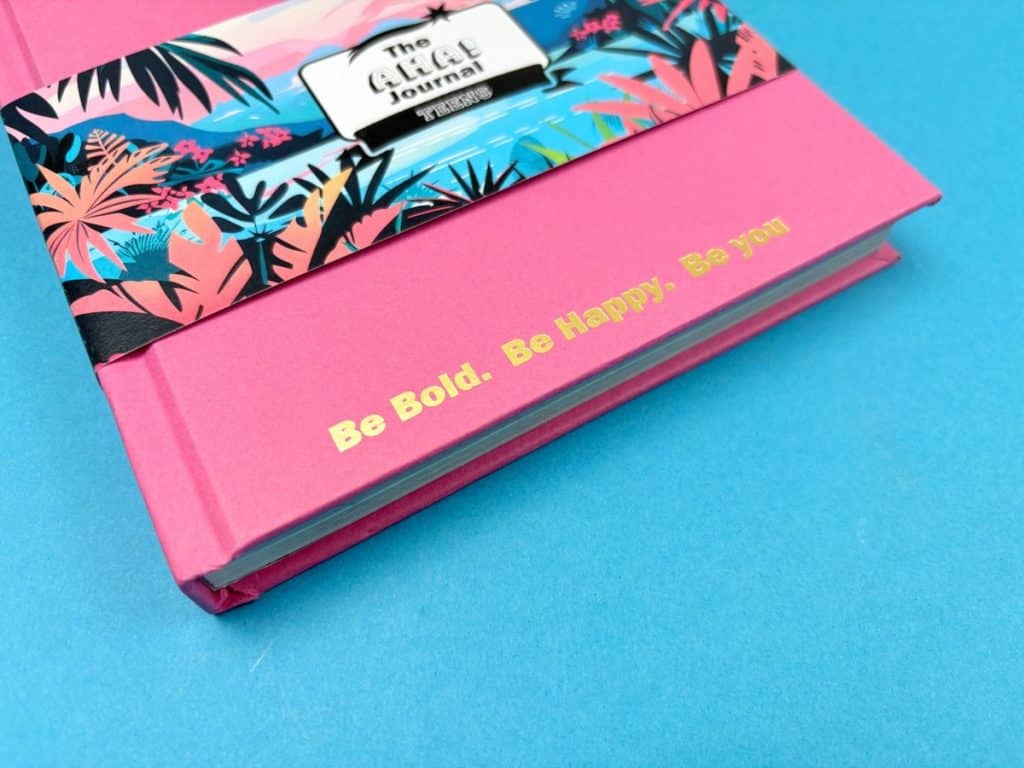
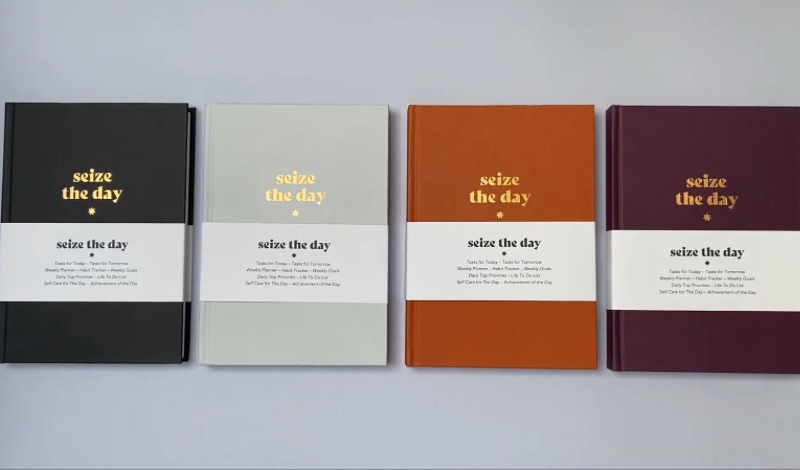
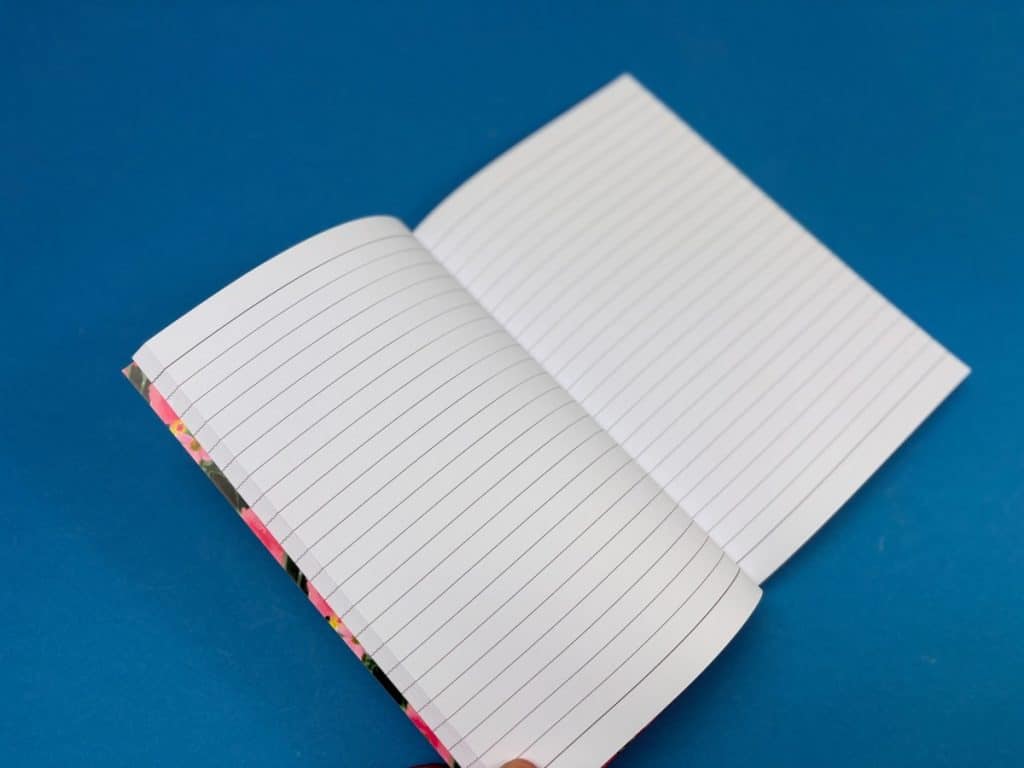
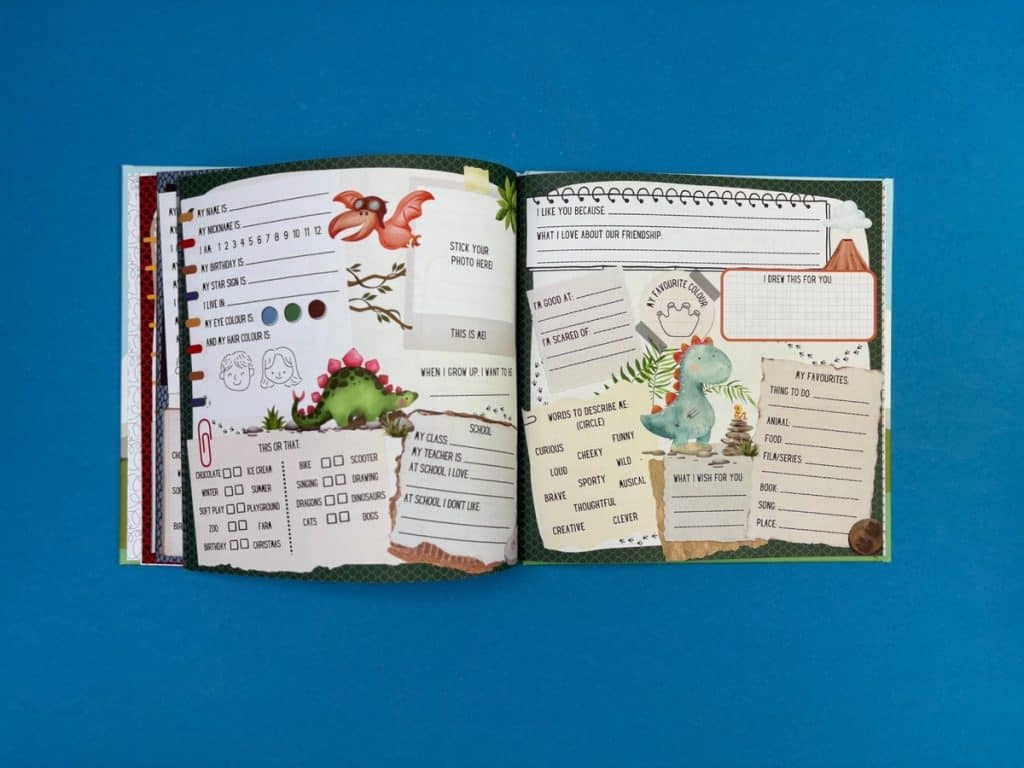
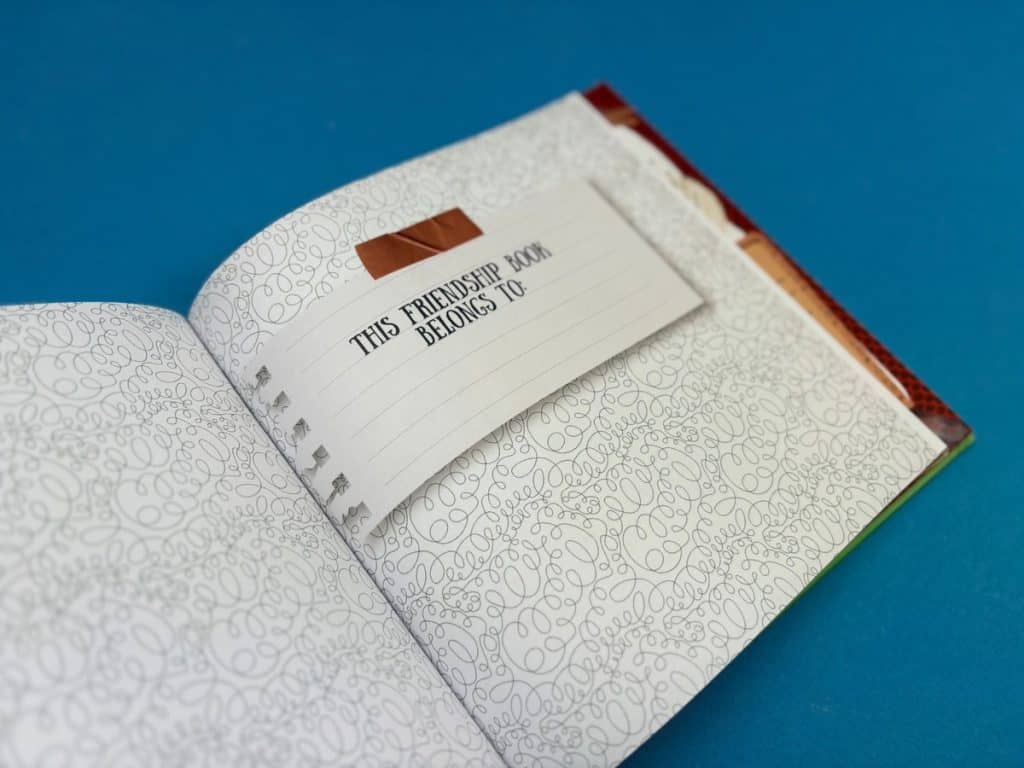
Binding Style: Choose from perfect, hardback, or saddle-stitch binding. For hardback binding, you can choose glued inside pages, like the pink journal example above, or section sewn inside pages like below. Glued is a lot cheaper but for a journal, section sewing the insides so they are literally sewn in will enable to end-user to press the pages flatter when they come to write their notes.
Cover Finish: Decide between matte print, gloss print, or soft-touch lamination.
Quantity: Order based on your needs—whether personal use or bulk distribution.
Lead Time: Check estimated turnaround and delivery times.
Step 5: Reviewing Proofs Before Final Production
Before mass production begins, request a digital or physical proof to ensure everything looks exactly how you envisioned. This is your chance to catch any final mistakes and confirm print accuracy.
Pointers to Consider:
Proof Type: Choose between soft proof (PDF) or hard proof (physical sample).
Review Checklist: Double-check margins, color fidelity, font clarity, and image placement.
Final Approval: Only give the go-ahead once you’re completely satisfied.
Adjustments: Make any last-minute tweaks before full production starts.
Bring Your Journal Vision to Life with Ex Why Zed
If you are thinking where to print journals, consider Ex Why Zed for all your printing needs. We are your trusted partner in making every page count. Whether you’re crafting a personal journal, creating a gift, or building a promotional item, Ex Why Zed brings your ideas to life with precision. Our expertise in print, paired with a keen eye for quality, ensures that your journal not only looks great but feels extraordinary.
With a wide range of premium paper options, professional binding, and quick turnarounds, Ex Why Zed guarantees that your custom journal will exceed expectations. Choose us for your next project, and experience the difference of print made with passion and care. Get a quote now.
Conclusion
Printing a custom journal is more than a production task; it’s the final step in turning ideas into something tangible and lasting. By carefully designing your layout, preparing print-ready files, and choosing the right materials, you ensure every page looks and feels precisely as you envisioned.
Additionally, from personal keepsakes to branded products, a well-printed journal elevates your message, delights your audience, and stands the test of daily use. Now that you have the roadmap, all that’s left is to press “print” and watch your concept become a beautifully bound reality.
Frequently Asked Questions
What is the best paper for journal printing?
For custom journal printing, uncoated paper works well for blank pages and notepads. It is smooth, allowing you to write on it easily. The paper makes the final product suitable for both sketches and notes. A thick stock, such as 70lb-80lb paper, helps the pages last longer. This does not make your journal cover too heavy or oversized.
Can I print journals at home, or should I use a professional service?
Printing at home works for small batches. But professional services can help make high-quality products. They also handle shipping, ensuring that everything arrives on time and in good condition.
How many copies should I print for personal or business use?
For your own use, it is best to start with just one or two custom journals. If you run a business, check the demand on sites like Amazon. This helps you avoid trouble with shipping and fulfillment. Custom journal printing gives you more choices, no matter if you work on a large or small scale. It helps you manage your inventory practically and effectively.
What are the common mistakes to avoid when printing journals?
Be aware of a few key considerations when ordering custom journal printing. These include not adding bleed margins to artwork files, selecting the wrong type of binding (such as not using perfect binding for a professional look), and ignoring the design of the journal cover. When you use the right specifications for printing your custom journal, the final product is more likely to turn out how you want.