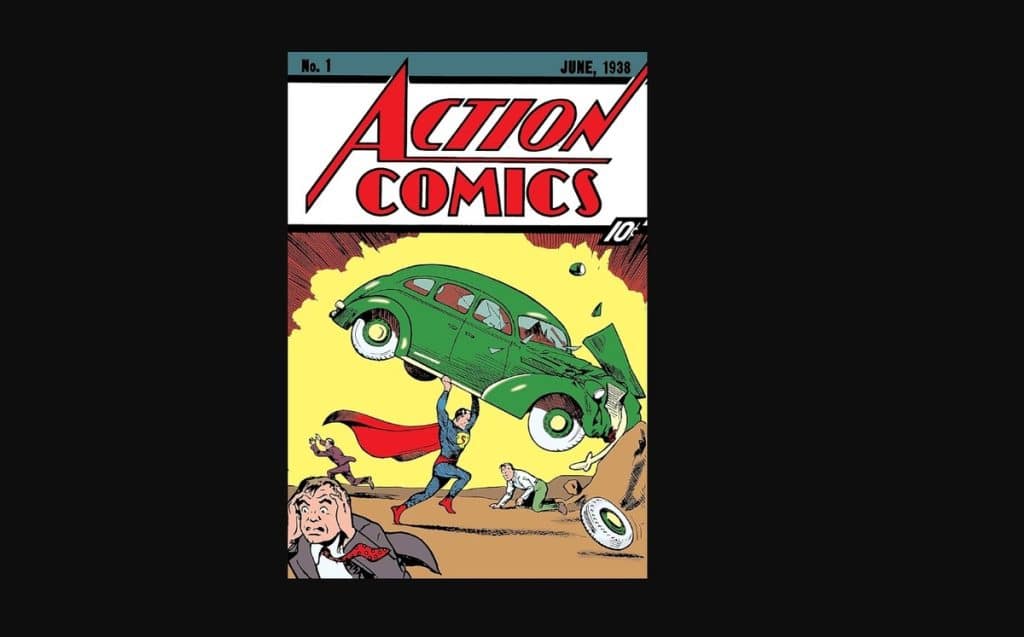
Golden Age covers introduced bold, action-driven imagery that redefined superhero storytelling.
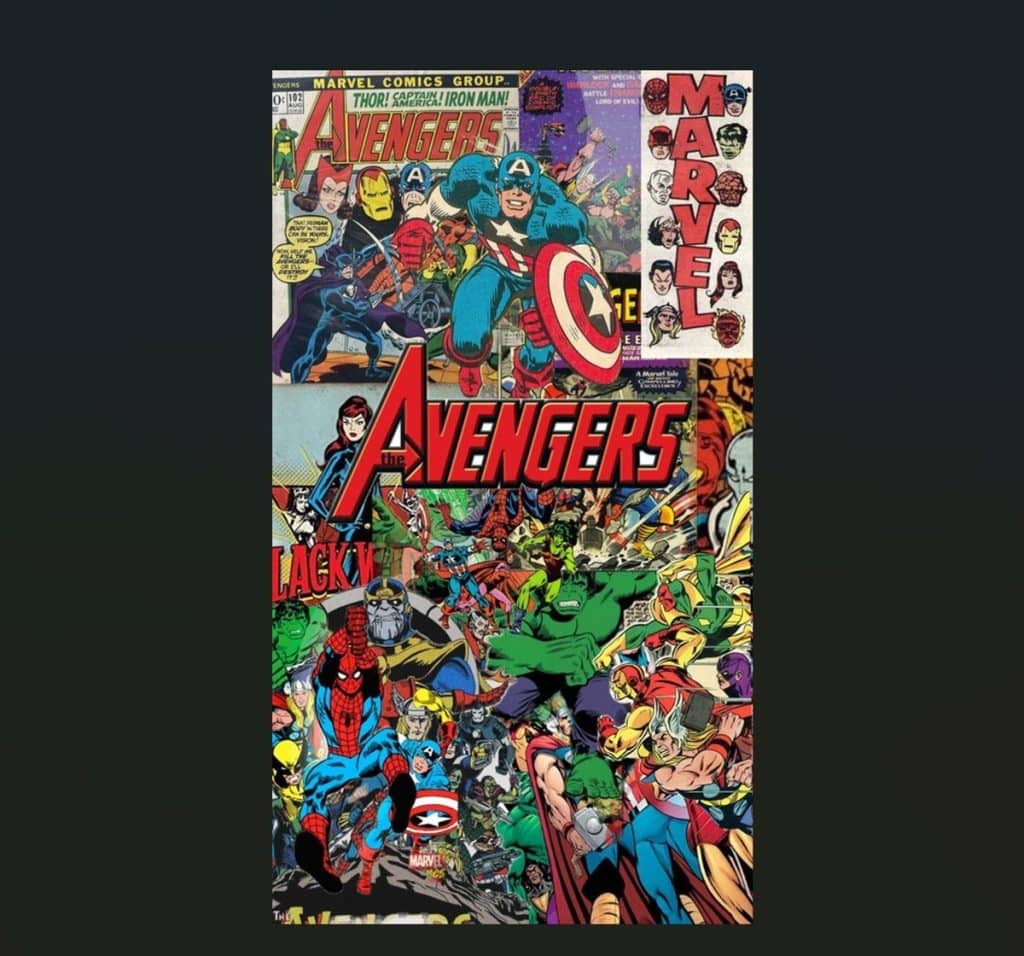
Silver Age covers embraced cosmic themes and team dynamics, elevating comic book universes.
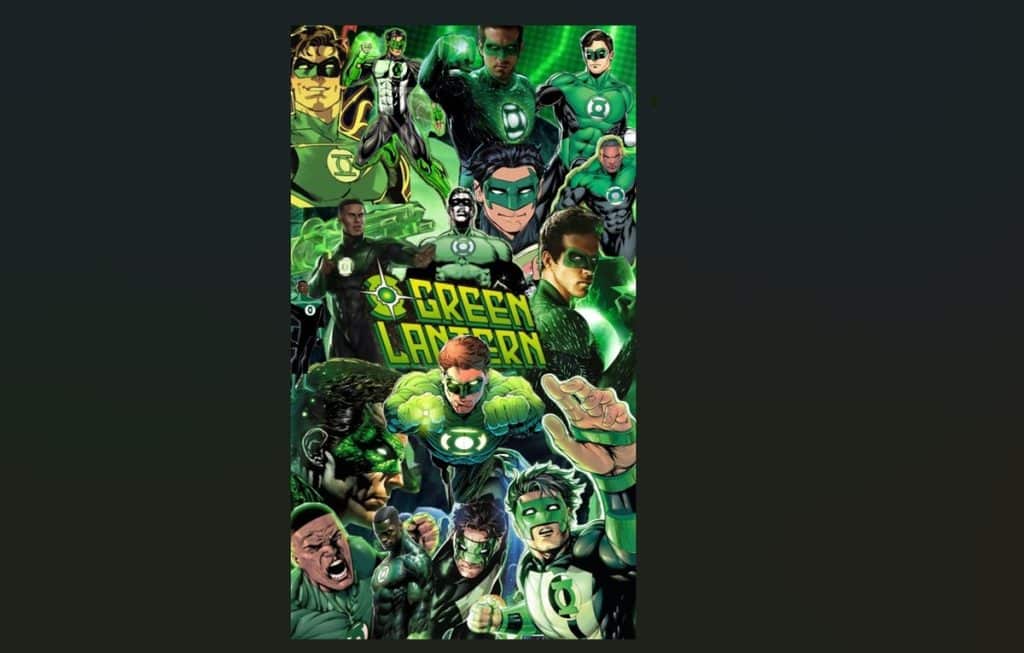
Bronze Age covers tackled real-world issues, marking a shift to mature, emotionally driven narratives.
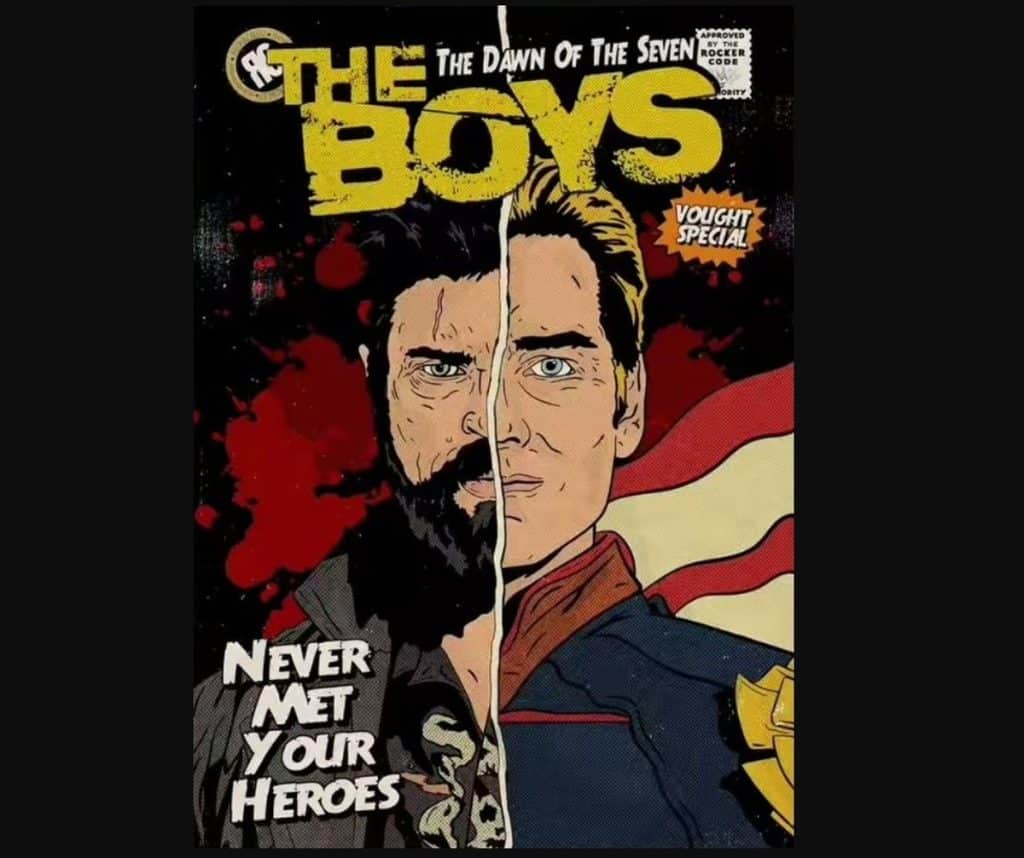
Modern Age covers used variant editions and gimmicks to turn comics into collectible art.
Digital Era covers embraced minimalism and experimentation, focusing on design-led storytelling.
Strong cover design relies on impactful visuals, thoughtful layouts, and high-quality materials.
Professional printing services like Ex Why Zed help bring comic covers to life with premium finishes.
When you think of a comic book, the first thing that grabs your eye is the cover. For iconic publishers like Marvel and DC, the cover has always been a creative space where artists push boundaries and set the tone for what lies within.
As heroes like Batman and Superman evolved, their covers also changed, reflecting the culture, trends, and imagination of each era. It’s no surprise that the comic book industry is thriving. The global market was valued at $16.8 billion in 2024 and is projected to reach $31.2 billion by 2034, growing at a CAGR of 6.6%.
In this blog, we’ll explore the types of comic book covers that didn’t just define stories — they defined eras. Also, we'll be talking about how to design cool comic book covers.
Which Types of Comic Book Covers Defined the Eras of Comics?
Over the years, comic book covers have done more than grab attention. They’ve told us where comics were headed and what readers cared about. Each era brought its own style, message, and creative flair, many becoming some of the best comic book covers of all time.
Let’s take a closer look at the standout comic book covers ideas that not only defined their eras, but helped shape the legacy of comics as we know them.
1. Golden Age Action-Packed Covers (1938–1950)
The Golden Age exploded with energy. Covers from this era were all about bold heroes leaping into action — sometimes quite literally. When Action Comics #1 dropped in 1938, Superman was shown lifting a car over his head. That image alone redefined what a superhero could be larger-than-life, unstoppable, and unforgettable.
Then came Captain America Comics #1, where Cap famously punched Hitler right on the cover. During World War II, this was more than just eye-catching it was powerful. These early works are often seen as some of the most iconic comic book covers ever printed.
Batman’s early appearances in Detective Comics were just as thrilling. With his cape billowing and fists flying, he leapt across covers like a shadow in motion.
These classic comic book covers didn’t just entertain; they inspired, uniting readers during uncertain times and leaving a legacy still felt in today’s superhero stories.
Want to know what makes characters like Superman or Batman so iconic? Read about comic book characteristics to see what sets them apart.
2. Silver Age Team-Ups and Crossovers (1956–1970)
Welcome to the era of big ideas and even bigger teams. The Silver Age brought a wave of imagination, science fiction, and collaboration — all front and center on the covers. This is when comic book universes truly began to feel... universal.
Marvel introduced The Avengers, with covers featuring Thor, Iron Man, Hulk, and more, battling side-by-side against massive threats. At the same time, DC’s Justice League of America united Superman, Batman, Wonder Woman, and others in epic scenes that became cool comic book covers fans still remember.
The art also took on a new vibe with cosmic backdrops, experimental layouts, and dynamic poses that felt like movie stills. Journey into Mystery gave us Thor surrounded by stars and myth — a perfect example of comic book cover ideas that embraced scale and spectacle.
Silver Age covers were loud, fun, and full of promise. Many of these comic book covers required advanced planning and production techniques. And, if you want to learn how comics like these go from idea to printed reality, check out the full book printing process.
3. Bronze Age Social Commentary Covers (1970–1985)
The Bronze Age brought a serious tone shift. Covers started reflecting real-life struggles — and they didn’t hold back. Suddenly, superheroes had problems that couldn’t be solved with a single punch.
Take Green Lantern #85 — the cover shocked readers by showing Green Arrow’s sidekick caught in heroin addiction. This raw, unforgettable cover is one of the most iconic comic book covers that marked comics’ leap into mature storytelling.
Then, there's The Amazing Spider-Man #50, which shows Peter Parker walking away from his costume, emotionally weighed down. It captured his inner conflict in a single, powerful image, a classic comic book cover still studied today.
Even Wolverine’s rise brought moody, intense visuals that felt personal and gripping. Batman’s #205 gave us haunting visuals with rich shadows and high stakes. Artists like Neal Adams helped usher in comic book cover ideas that mirrored society’s toughest questions.
These covers didn’t shy away from tough topics. They leaned in and challenged readers, and many of them remain among the best comic book covers to date.
The Modern Age shook things up. Comic book covers became more creative and competitive, with publishers like Marvel and DC doing everything they could to stand out.
To attract a broader audience, they introduced variant covers, multiple versions of the same issue, each with its own twist. Some cool comic book covers of this era include:
Variant Trends
Key Examples
Holographic
Amazing Spider-Man #365 had a shining holo cover
Minimalist
Superman #75 was simple, just showing his torn cape
Retro-themed
There were old-school designs on limited Batman comics
Gritty Realism
The Boys featured raw, bold covers like a bloodied Homelander or Butcher’s intense stare that captured its dark, subversive tone
These weren’t just for flair; they turned comic book covers into collectable art. If you're also planning your first print run, it helps to know how much it costs to print a comic book so you can budget smartly.
The Modern era brought forward some of the best comic book covers for collectors and casual fans alike, showing how format, texture, and artistry could create lasting impact.
5. Minimalist & Experimental Covers of the Digital Era
In the Digital Era, comic book covers have taken a fresh turn, leaning into minimalism, bold design choices, and more artistic storytelling. Heroes like Batman, Wolverine, and others from the Marvel universe now appear on covers that break away from traditional comic art styles.
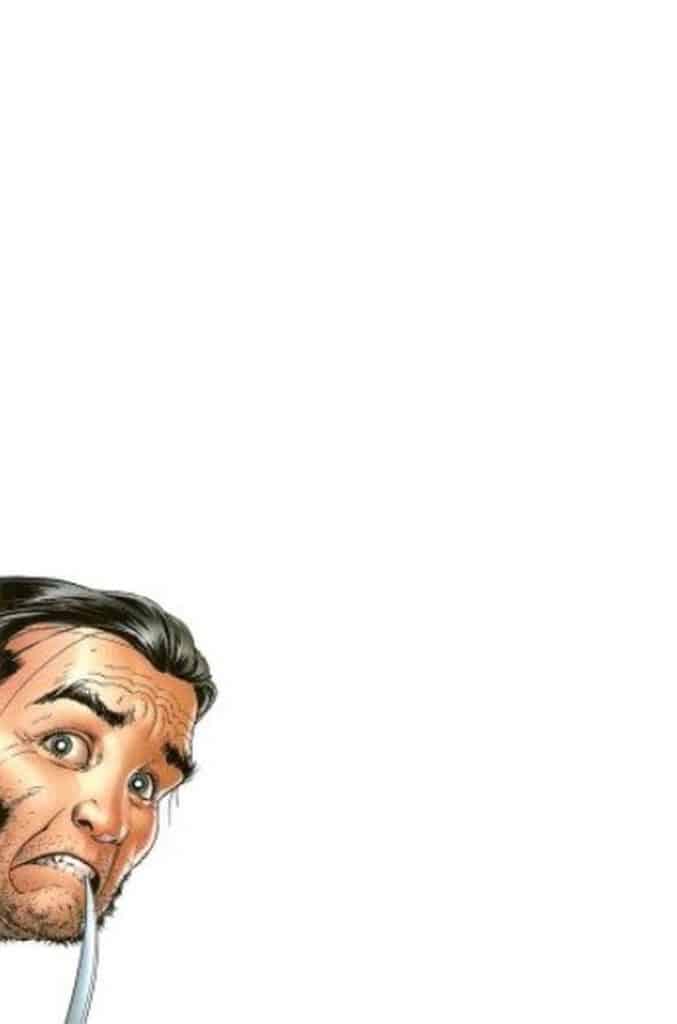
One standout example is John Cassaday’s Astonishing X-Men #17, where Wolverine is surrounded by stark white space. This subtle design is among the most iconic comic book covers of modern times.
If you're curious how comics are created from scratch in today’s world, here’s how comic books are made, from concept to cover.
As digital media expands through gaming and streaming, comic covers are evolving to stay relevant. These modern covers whisper instead of shout, proving that even today, classic comic book covers can be redefined.
How Can You Design a Comic Book Cover That Stands Out?
A comic book cover is more than just the first page, it’s the hook that draws a reader in. Whether you're crafting the next cult classic or an indie gem, here are some pro tips to help your cover stand tall among the best comic book covers:
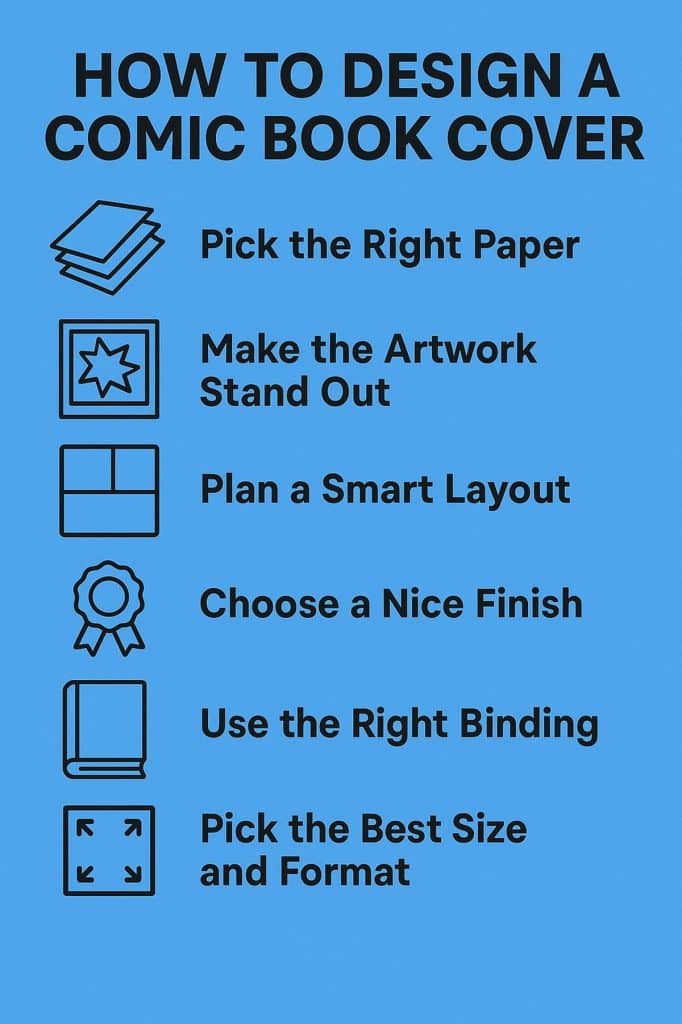
1. What Paper Works Best for Comic Book Covers?
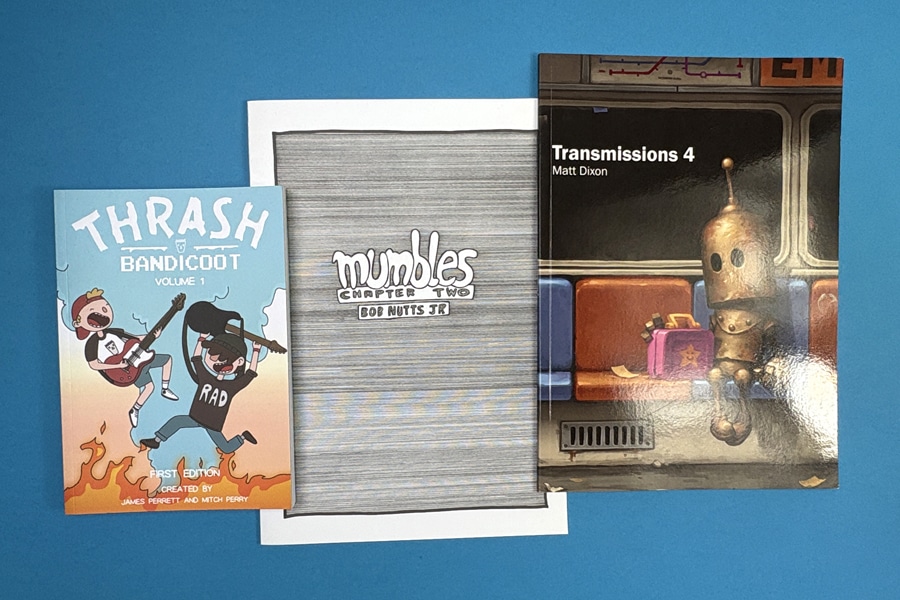
The quality of your paper plays a big role in how your cover looks and feels. For most comic books, cardstock is a popular choice. It’s thicker than regular paper and offers durability while still being cost-effective.
Glossy paper adds shine and makes colors pop, which is perfect for high-energy, action-packed comics. Matte paper gives a more muted, classy look, ideal for darker or more serious storylines. Some creators even go for textured paper to add depth and uniqueness.
Great cover art is what stops someone in their tracks. Strong visuals like dynamic poses, bold color schemes, and high contrast can instantly communicate the vibe of your story.
Use focal points, bold colors, and layered composition. Think about Superman’s chest emblem or Wolverine’s claws, these iconic comic book covers stay etched in memory. If you’re working with an artist, make sure the cover reflects a powerful moment or the emotion of the issue.
Tip: Study classic covers by legends like Jack Kirby or modern graphic styles from indie comics. See how they use space and color to lead the eye.
3. How Should You Plan the Layout?
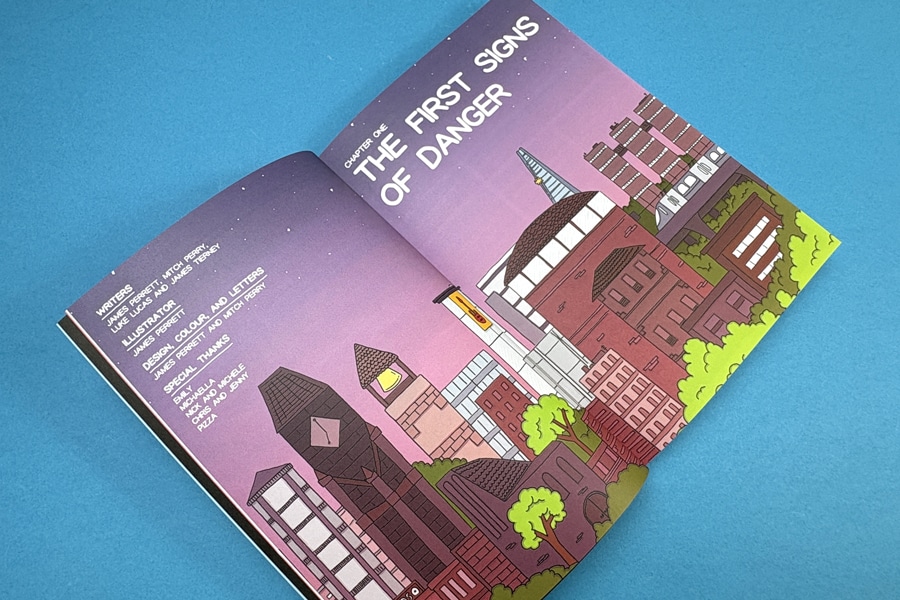
Let your layout guide the eye. Position titles, names, and issue numbers with care. Keep the spotlight on your characters and scene, just like many classic comic book covers do. Your title, subtitle (if any), issue number, and author or illustrator credits should be easy to find but not overpower the artwork.
Use visual hierarchy. Make the title the most prominent, followed by character artwork, and then the smaller details. Keep things balanced. Too much text or too many visual elements can feel cluttered.
4. Which Cover Finish Should You Go For?
The finish you choose affects how the artwork looks once printed. Here are the common options:
Gloss Finish: Reflective and bright. It enhances vibrant colors and sharp lines, ideal for superhero comics and action themes.
Matte Finish: Smooth and non-glossy. It adds a more artistic or dramatic tone, great for mystery, noir, or introspective comics.
Spot UV or Foil Accents: Adds shine to specific areas like the title or logo, giving the cover a premium, collectible feel.
Tip: Ask for print samples to see how your artwork looks with different finishes before you commit.
Have questions about foil, UV, or finishes? Our team is always here — reach out to us directly and we’ll guide you through the options.
5. What Binding Is Right for Your Comic?
Binding doesn’t just hold the book together, it affects how the cover and pages sit and how durable the comic is over time.
Saddle Stitch (stapled): Best for thin comics, up to 60 pages. It’s cost-effective and common.
Perfect Binding (glued spine): Offers a more professional look, better for longer or collector’s editions.
Square-bound Saddle Stitch: A hybrid that looks premium but works for shorter books too.
6. Pick the Best Size and Format
The standard comic book size (6.625" x 10.25") is a safe bet. It fits display racks and collector boxes. But experimenting with size can make your comic stand out:
Oversized Formats: Highlight detailed artwork or offer a “deluxe” experience.
Mini Comics or Square Formats: Quirky and fun for niche or indie storytelling.
Webtoon-style Vertical Comics: Great for digital releases.
Standard sizes work best for collectors. But if you want to stand out, oversized or mini formats are great comic book covers ideas for indie creators.
Tip: If you're going to print your comic, always check with your printer first to see which sizes are most cost-effective or compatible with their machines.
How Can You Bring Your Comic to Life With Ex Why Zed?
A striking comic book cover deserves equally impressive print — and that’s where Ex Why Zed delivers. Trusted by thousands of creators, we offer high-quality comic printing with vibrant colors, sharp detail, and premium finishes like gloss, matte, spot UV, and foil.
Whether you’re printing a one-shot zine or a collector’s edition, our expert team guides you through every step from file setup to choosing the best binding and paper.
Now that you’ve done the hard part, let us handle the print. Request a quoteand see how your comic can shine with professional production.
Final Words
Comic book covers have always reflected the spirit of their time, from the bold action of the Golden Age to today’s digital designs. More than just eye-catching art, they open doors to new worlds, spark imagination, and shape pop culture.
So whether you’re a fan, a collector, or a creator, never overlook the power of a great cover — because the next iconic comic book cover might just be yours.
Frequently Asked Questions
What makes a comic book cover iconic?
Iconic comic book covers really show off their hero and the time they come from. You can see this with Captain America when he hits Hitler, or when Batman sits brooding on top of a gargoyle. These covers mix strong pictures with things from that time, so people remember them. Marvel is known for many of these covers, like ones for Thor or the ones that show Wolverine’s wild strength.
How have comic book covers influenced pop culture?
Comic covers have played a big part in pop culture. They help make heroes like Superman and Batman into powerful symbols. These covers from Marvel and DC have a long history. Some show Spider-Man as Peter Parker looking inward through art. Many comic covers like these have started new movies, merchandise, and even big shared worlds. This has pulled people from all over the world in and made them fans.
Are variant covers worth collecting?
Variant covers give people more choices, letting them see different art styles on their favorite comics. These covers might show Wolverine in new scenes or give a fresh look to Thor's famous poses. Comic makers like Marvel and DC turn these covers into special art that many want. Since there are only a few of each cover, they can be worth good money when people sell them later.
Who are some legendary comic book cover artists?
Creators such as Jack Kirby helped change how people tell stories with pictures for Marvel and DC. Kirby worked on Captain America, and the art stands out even today. Steve Ditko also made strong artwork for Superman and Batman. These people made comic covers so special that many still remember them. They helped shape the way we see comics now.
Creating a graphic novel is no small feat; it takes vision, discipline, and hours of careful design. But when it comes time to actually print your graphic novel, the choices you make can determine whether it lands with impact or falls flat.
If you're an artist, writer, or indie publisher wondering how to print a graphic novel with professional results, you're in the right place. In this guide, we'll walk you through every step, from layout to print and promotion, with expert insight and services from Ex Why Zed, UK’s most trusted creative printers.
Steps to Print Your Graphic Novel from Draft to Book
Whether you're self-publishing a full-colour graphic novel or producing a short run for conventions, each step plays a vital role in transforming your digital artwork into a polished, professional-quality book. Follow these essential steps to ensure your final product not only looks exceptional but also reflects the time, creativity, and effort you’ve invested in every panel.
Step 1: Plan Your Graphic Novel Layout and Format
Before you begin the printing process, it’s essential to define the key specifications of your graphic novel. These early decisions will directly influence your design approach, production costs, and overall reader experience.
Determine the book size: Common formats include A5, US comic size (7x10"), or square dimensions.
Choose the orientation: Select portrait or landscape based on how your artwork is composed.
Estimate the total page count: This will help inform your layout, binding type, and spine width.
Decide on full-bleed artwork: If your illustrations extend to the edge of the page, you’ll need to account for bleed and trim margins in your file setup.
Step 2: Choose the Best Paper and Binding for Your Graphic Novel
The look and feel of your book can change drastically depending on the paper you choose. For graphic novels, where visuals are key, Ex Why Zed offers several options that help your artwork shine:
Silk: Smooth with a slight sheen, perfect for vibrant colour.
Uncoated: Matte and natural are great for a more organic, risograph-style feel.
Gloss: High shine, great for sharp contrasts and bold illustrations.
Binding matters too. For shorter zine-style books, saddle-stitching (staples) works well. For thicker stories, perfect binding (like a paperback novel) offers a more professional spine and finish. Hardback options are also good if you're looking to create a premium collector’s edition.
Step 3: Design a Striking Cover for Your Graphic Novel
Your cover is your first impression. A great graphic novel cover combines eye-catching illustration with clean typography and thoughtful composition. If you’re printing a perfect-bound book, make sure you also account for the spine width when designing your wraparound cover.
Don’t overlook the impact of finishes. Matte or gloss laminationgives the book a professional feel. Spot UV adds texture and shine to specific elements like a title or logo. You can even opt for foil stamping or embossing for a standout tactile effect.
Step 4: Choose Your Printing Method: Digital or Litho?
When it comes to how to print a graphic novel, your printing method plays a key role in cost and output quality. The two most common methods are:
Digital printing: Ideal for short runs (1–250 copies), offering fast turnaround and lower setup costs. Also ideal for creators testing campaigns or targeting niche audiences using analytics or ad user data before scaling up.
Litho printing: Best suited for larger volumes (250+), delivering consistent high quality and more economical pricing per unit at scale.
Whether you are looking for a Litho Printing Company or a Digital Printing Company, Ex Why Zed offer both under the same roof. With industry-leading presses like HP Indigo for digital works and Heidelberg for litho runs, you're covered no matter your print run size.
Step 5: Prepare Your Artwork for High-Quality Print
Once your layout and cover are finalized, it’s time to prepare your files for production. Getting the technical setup right ensures your printed graphic novel looks just as sharp and polished as it does on screen. Here are the key elements to focus on:
Resolution: All artwork should be set to 300 DPI (dots per inch) to maintain crisp, detailed images in print. Lower resolutions may result in blurry or pixelated visuals, especially for fine lines or text.
Colour mode: Convert your files from RGB (screen colours) to CMYK (print colours). RGB files may appear overly saturated or inaccurate when printed, whereas CMYK ensures faithful colour reproduction using ink.
File type: Export your final document as a PDF/X-1a for best results. This format embeds fonts, flattens transparency, and locks in colours, reducing the risk of shifting elements or missing assets during printing.
Bleed: Extend any artwork that touches the edge of the page by 3mm beyond the trim line. This bleed area ensures that no unwanted white borders appear after the book is trimmed to size.
Step 6: Decide if You Need an ISBN
An ISBN (International Standard Book Number) is a unique code used to catalog your publication title and is essential if you plan to sell your graphic novel through retail platforms like Amazon, bookshops, or libraries. Each format, whether paperback, hardcover, or digital, requires a separate number. If you're producing variant covers, those may also need their own ISBNs.
However, if you're selling directly viasocial media, your website, or at zine fairs, an ISBN isn’t mandatory. If you do include one, it’s typically placed on the cover spread (specifically the lower area of the back cover) or on the inside back cover, depending on your layout and distribution needs.
Step 7: Print Small Batch Runs or Test Copies First
Before committing to a full production run, it’s wise to print graphic novel in a small batch, or even a single copy, to evaluate the final product in hand. This gives you a chance to:
Proof the final appearance and ensure full colour, alignment, and finishes are exactly as expected.
Share copies with beta readers, reviewers, or collaborators for early feedback.
Launch a soft release to generate interest and address any issues before wider distribution.
At Ex Why Zed, there’s no minimum order requirement, you can print just one copy if needed. This flexibility allows you to refine your project before scaling up confidently. This also helps you avoid costly reprints and ensuring your graphic novel is ready for readers from page one.
Step 8: Market Your Graphic Novel After Printing
Once your book is printed and in hand, it’s time to shift your focus to visibility. Strategic promotion is key to growing your audience and building momentum for future issues or volumes.
Here are a few proven strategies:
Share page thumbnails, work-in-progress clips, and behind-the-scenes snapshots across platforms like Instagram or TikTok to generate excitement.
Attend zine fairs, comic book expos, or small press markets to connect with niche audiences who value unique, creator-owned content.
Sell through platforms like Etsy, Big Cartel, or your personal website, and consider adding variant covers or exclusive bonuses to encourage early purchases.
Use your artwork dashboard or newsletter to share updates, estimated dates for restocks, and special promotions tied to launch milestones.
A professionally printed book with clean design, vibrant interior pages, and quality finishing can boost your credibility. It also helps attract the attention of influencers, reviewers, and indie bookstores looking for standout titles.
Why Print Your Graphic Novel with Ex Why Zed?
At Ex Why Zed, we specialize in high-quality, creator-friendly printing for graphic novels, zines, and illustrated books. Whether you're printing a single proof copy or a full commercial run, we offer exceptional flexibility with no minimum order quantities. You’ll also have access to a wide range of paper stocks and both digital and litho printing using industry-leading presses.
You’ll get access to free file checks, clear setup guides, and one-on-one support from experienced print experts who understand the unique needs of artists and self-publishers. We also offer commission-free fulfilment, warehousing, and worldwide distribution, so your story doesn’t just get printed, but gets into the hands of readers.
Printing a graphic novel is where your creative vision becomes tangible. From choosing the right paper stocks to finalizing your spine design file, every element contributes to the quality of your printed book. It's also important to ensure your interior pages, outer covers, and spine artwork are included in a properly prepared single PDF file to achieve a professional final result.
Whether you’re producing a zine with low page counts or a full-length book with a detailed cover spread and high page counts, precision matters. Proper setup of file formats, dpi PDF file, bleeds, and binding edge alignment helps avoid issues like unprinted edges and supports a polished final appearance.
Before production, review your layout, check your individual files, and confirm your estimated date to ensure everything is on track. With careful preparation, your graphic novel will not only read well, but look like a professionally produced piece worthy of your audience’s bookshelf.
Frequently Asked Questions
1. What’s the best binding option for a short graphic novel?
If your number of pages is under 64, saddle stitch binding is ideal. It uses machine stitches to secure pages and is cost-effective for shorter runs. This works well for zines or titles with minimal details and fast turnarounds. Staple binding also allows the pages to be pressed flat so you don't lose any content. For longer projects, consider perfect binding or hardcover for greater durability.
2. Can I submit files from Affinity or Photoshop?
Yes, we accept files exported from Affinity Publisher and Adobe Photoshop, as long as they meet our print-ready specs. You can upload a separate PDF §file for your front cover and interior content or combine them into one single PDF file. Make sure your spine dimensions, bleeds, and resolution are accurate before submitting. If you’re unsure, check our support page for templates and file setup help.
3. How do I review my book before final print?
You’ll receive a downloadable proof to verify layout, alignment, and important content placement. This preview includes inner pages, inside covers, and a spine thumbnail to help you catch issues before production. For books with low paper weights or lots of ink coverage, we recommend checking for ink transferral or paper transparency. An online preview is also available through your artwork tab.
4. How are pricing and quotes handled?
Pricing depends on format, paperback items vs. hardcover items, inner pages, and total page count. You can get an initial quote instantly using our online tool, or request a bespoke quote if your project exceeds a specific limit or has special requirements. All costs, including estimated shipping date, are shown in your shopping cart before checkout. For complex requests, our print experts can guide you to the correct place in your setup process.
5. What should I keep in mind for reordering or updates?
You can easily reorder through your account, where any pending order details, previous spine files, and ad user data preferences are saved. Be sure to update any single pages that contain new or revised internal pages. For books with a dust jacket, verify that the design updates extend to the top of prints and flaps. We recommend confirming all specs before submission to avoid a higher cost for post-production changes.
6. What factors affect the durability of my printed graphic novel?
Several elements contribute to your book’s longevity, including the binding method, paper type, and how frequently the book will be handled. Using a strong adhesive for perfect binding ensures that pages remain intact, even with repeated use. Choosing a durable stock like uncoated paper can also reduce glare and wear over time.