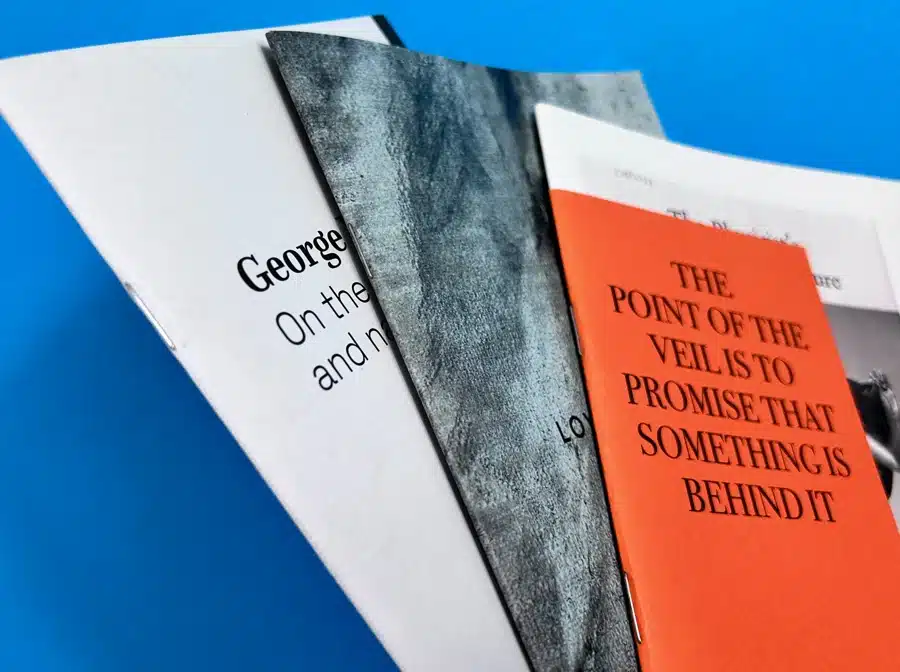
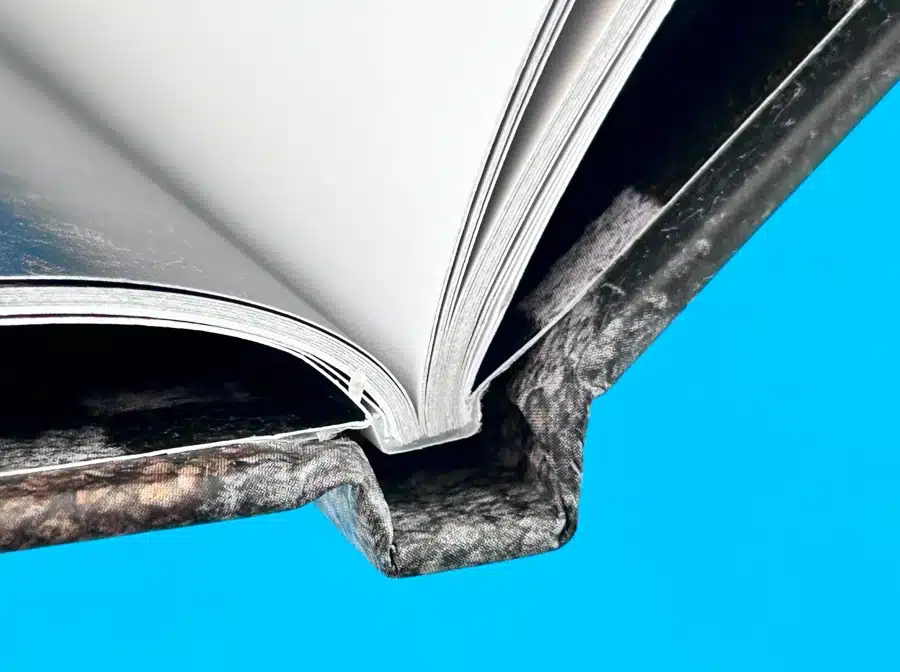
Saddle stitch and staple binding are affordable, quick, and flat-opening options, best for brochures, programs, newsletters, and slim booklets.
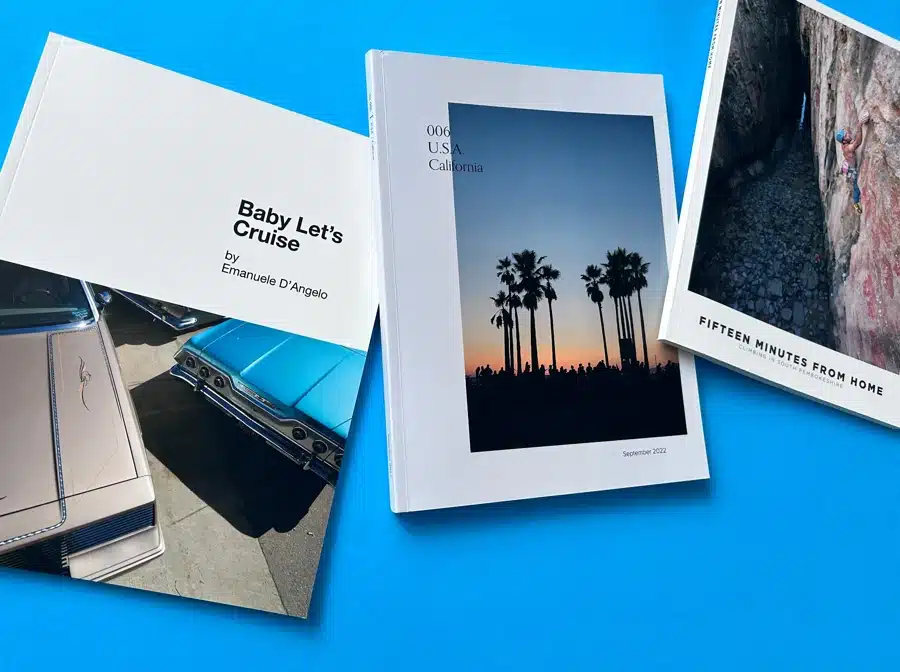
Perfect binding creates a professional, square-edged look that works well for paperbacks, catalogs, product guides, and annual reports.
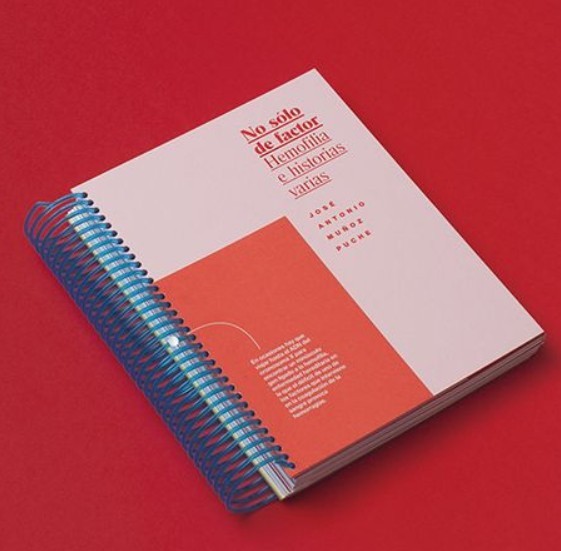
Spiral binding uses a flexible plastic coil for full rotation and durability, making it ideal for cookbooks, training manuals, and workbooks.
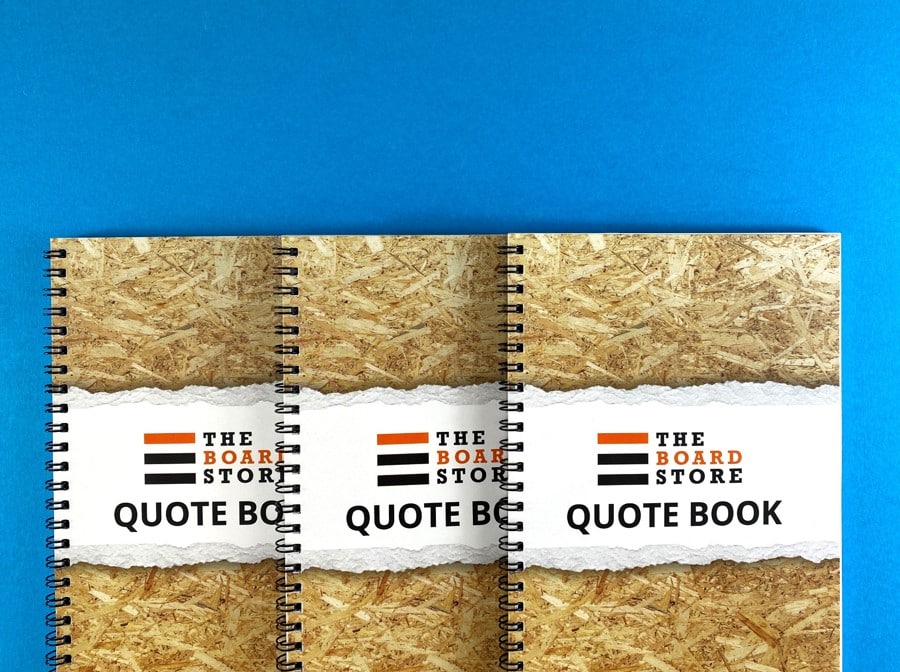
Wire-O binding offers a sleek metal finish with 360-degree rotation, perfect for reports, proposals, and high-end catalogs.
Hardcover or case binding delivers a premium and long-lasting finish, commonly chosen for textbooks, yearbooks, photo books, and collector editions.
Ex Why Zed brings every binding style together with customisation, expert support, and reliable delivery, ensuring your project is both polished and memorable.
Ever picked up a book or brochure and thought, “Wow, this feels professional”? Chances are, the magic wasn’t just in the design or content, it was in the binding. Binding might seem like a small detail, but it’s what holds your project together and shapes the final impression.
Understanding the different types of book binding helps you pick the right finish for your print project, whether it’s a brochure, journal, or keepsake book.
In this blog, we’ll walk through the types of book binding available and explain when each one works best, so you can choose the right option for your project.
Wondering Which Binding Works Best? Check Out These 8 Options
What are the most common types of book binding, and how do they differ from each other?
So, there are many types of book binding, each offering different levels of durability, cost, and appearance. Some types of binding for brochures keep things simple and affordable, while others, like types of journal binding or school and library binding, are built to last.
Let’s take a look at the most common types of book binding:
1. Saddle Stitch Binding
If you’ve ever picked up a school program, a church bulletin, or a simple brochure, chances are you’ve held a saddle-stitched booklet in your hands.
Saddle stitch is one of the most common types of booklet binding. As a simple fold-and-staple method, it’s quick, affordable, and practical for slim documents. Also, when compared to the different types of book binding stitches, it's considered one of the oldest binding methods.
What makes it so popular is the balance of simplicity, speed, and cost-effectiveness. Printers love it because it’s quick to produce, and readers love it because these booklets open almost completely flat. That means they’re easy to flip through, reference, or even write on without fighting against stiff pages.
Why People Choose Saddle Stitch
Clean, professional look without the extra cost
Affordable for bulk printing
Opens flat, making it user-friendly
Where it works best: event programs, brochures, newsletters, catalogs, and slim workbooks.
2. Perfect Bound Binding
Think of your favourite paperback novel or glossy magazine, that’s perfect binding. Among the types of perfect binding, the square spine stands out as pages are glued and wrapped with a cover, creating a clean, polished look that feels like a real book.
Perfect binding is ideal when you want your project to look professional and last longer than a simple booklet. The glued spine allows for higher page counts, though it doesn’t open quite as flat as saddle stitch.
When asking what types of books should be used for binding, paperbacks and catalogs are ideal candidates for perfect bound projects.
Why People Choose Perfect Binding
Professional, book-like appearance
Works for thicker books and publications with many pages
Customizable covers for branding and design impact
Where it works best: paperback books, catalogs, annual reports, product guides, and magazines.
Also known as coil binding, spiral binding is a practical and versatile choice for many types of documents. This binding process involves punching a series of small, evenly spaced holes along the edge of the pages and threading a durable plastic coil through them.
This continuous spiral coil allows the book to open a full 360 degrees and lay completely flat, making it one of the most practical types of binding for printing.
Compared to wire binding, the plastic coil is more flexible and resistant to bending or distortion, making it perfect for documents that will be flipped through often. It also comes in a variety of colors, giving you the chance to match or complement your book cover design.
Where it works best: cookbooks, instructional manuals, training workbooks, and presentations.
4. Wire-O Binding
For a more polished and professional presentation, wire binding is a popular choice. Also known as twin-loop or double-loop binding, this method uses a series of metal wire loops inserted into punched holes.
Unlike the single continuous coil of spiral binding, the individual wire loops create a refined, upscale look that works especially well for formal documents. This makes it one of the preferred choices among the various types of binding documents.
Wire-O binding combines style and functionality. Like spiral binding, it allows pages to lay completely flat and rotate 360 degrees, making it easy to read, write, or display. The metal spine is sturdy, durable, and available in a variety of colors to match your design or branding.
Why People Choose Wire-O Binding
Sleek, professional appearance
Strong and durable metal finish
Pages turn easily and stay flat
Available in different colors and styles
Where it works best: annual reports, client proposals, professional presentations, and high-end catalogs.
5. Hardcover / Case Binding
If you want your project to feel premium and built to last, hardcover binding is the way to go. Also called case binding, it’s the most durable and high-end option out there. The pages are either sewn or glued together, then attached to a sturdy cover made from heavy chipboard. That cover can be wrapped in cloth, leather, or even a custom-printed design to really stand out.
Hardcover books don’t just look impressive, they’re made to survive years of use. That’s why you’ll find them in textbooks, yearbooks, coffee table books, photo albums, and special edition novels. The rigid spine keeps everything secure, and the weighty feel instantly communicates quality.
Why People Love Hardcover Binding?
Looks timeless and professional
Strong enough to protect pages for years
Feels substantial and high-value
Can be customized with premium cover materials
Where it works best: textbooks, yearbooks, coffee table books, photo books, and special edition novels.
If you’re deciding between perfect bound and hardback, here’s a quick video guide to help you choose.
What Are The Factors To Consider While Choosing A Binding Method?
Now, you might be thinking how can I choose the best binding method for my specific print project or publication? With so many binding options available, it can be overwhelming.
But the best choice usually depends on your project’s purpose and requirements. So, before you decide, keep these factors in mind:
1. Budget
The first factor to consider when choosing a binding method is budget. If you’re working with limited funds, methods like saddle stitching are highly cost-effective and perfect for smaller projects such as brochures or pamphlets.
At the other end of the spectrum, perfect binding and hardcover binding come with higher costs but deliver durability and a professional finish that can justify the investment.
Options like spiral or wire-O binding fall in the middle, offering a good balance between affordability and longevity. The key is to align the perfect choice of binding with both your budget and production volume so you get the best quality for your spend.
2. Design and Aesthetics
The design and aesthetic of your booklet can significantly influence your choice of binding:
If you're aiming for a professional, sleek look, consider using perfect bound or Wire-O binding.
If readability is a priority, then spiral binding could be a good fit as it allows the booklet to lay flat when opened.
If you want a timeless, classy appeal that speaks volumes about the quality of your product or company, hardcover binding gives that superior touch.
If you need a simple, light, and efficient binding for an event brochure or a course manual, the cost-effective saddle stitch or loop-stitch binding should work well.
3. Page Count
The number of pages in your booklet plays a big role in deciding the right binding method. For smaller projects of up to about 64 pages, saddle stitch or loop stitch binding work well and keep things simple. When you’re dealing with a higher page count, options like perfect binding, spiral, or wire-O binding are usually better suited.
If your booklet is especially thick and you want it to have a premium feel, hardcover binding is the best choice. Keep in mind that some methods, such as saddle stitch, require the total page count to be a multiple of four because of the fold-and-staple process. Always choose your binding method with the size and volume of your content in mind.
4. Purpose of the Booklet
The intended use of the booklet forms a key determinant:
Information Booklets: These often contain brief information and can feature saddle stitch or loop stitch binding for convenience and affordability.
Manuals and Guides: Spiral or Wire-O binding, which allows the booklet to lay flat while reading, is ideal.
Catalogues, Reports, and Corporate Documents: Use perfect bound or hardcover binding as they cater to a high page count and lend a professional look.
Calendars: Spiral or Wire-O binding enables turning and displaying pages easily at a quick glance.
5. Print Run Size
The size of your print run also matters when it comes to selecting a binding method. Saddle stitching or loop stitch binding may be more economical if you need to quickly produce a large volume of booklets.
Printing methods like perfect bound, spiral, or wire-O are better suited for smaller or medium-sized runs where the cost per unit can be better justified for the added durability and aesthetic appeal. Hardcover binding is often reserved for more select, high-value print runs.
Why Choose Ex Why Zed for Your Binding Projects?
The right binding gives your work a professional finish, and at Ex Why Zed, we make sure it’s done right. From budget-friendly booklets to premium hardcovers, our range of options ensures your project looks polished and lasts.
Clients often ask, “what are some techniques for bookbinding?”, and we’re here to walk you through them, from saddle stitch to hardcover, so you always pick the perfect fit.
What Sets Us Apart?
Every Binding Style Available – Saddle stitch, perfect bound, spiral, Wire-O, loop stitch, hardcover.
Fit for Purpose – Brochures, manuals, reports, or keepsake books, we match the right method.
Customizable Options – Covers, finishes, and colors tailored to your brand.
Expert Support – Guidance to choose the best fit for your budget and goals.
On-Time Delivery – Fast turnaround without compromising quality.
At Ex Why Zed, we don’t just bind your pages, we bring your ideas to life.
Ready to Give Your Project the Finish It Deserves?
Think about the last time you picked up a book or brochure that just felt right in your hands. Chances are, the binding played a bigger role than you realized. It’s the detail that turns pages into a product people want to flip through, use, and keep.
The truth is, the right binding does more than hold your content together, it shapes the entire experience. It can make a simple handout feel polished, a manual feel practical, or a book feel like a keepsake.
So when you plan your next project, don’t treat binding as an afterthought. Treat it as the finishing touch that takes your work from good to unforgettable.
Frequently Asked Questions
Is there a most durable book binding option for everyday use?
For durability and heavy use, sewn binding and hardcover binding are the best options. These methods create strong, long-lasting bound books that can withstand repeated handling while maintaining a professional look, making them ideal for textbooks and library editions.
Which binding style is best for professional presentations?
Wire binding, including Wire-O binding and comb binding, is excellent for professional presentations and annual reports. These methods allow the document to lay flat for easy viewing and have a flexible spine, providing a clean, organized, and functional appearance.
How does binding type influence printing on the spine?
The type of binding directly affects whether you can print on the spine. Methods like saddle stitch, spiral, or comb binding don’t create a flat spine, so printing isn’t possible. Perfect binding and hardcover binding, however, produce a square spine where titles or designs can be added. The thickness of the book, determined by page count and paper weight, influences how much text or artwork will fit. This makes spine printing ideal for larger, more substantial publications.
How does school and library binding differ from regular book binding?
School and library binding is built for heavy use, with reinforced sewing, stronger covers, and long-lasting durability. Regular book binding is usually more focused on appearance and affordability, making it ideal for personal collections or retail but less durable for constant handling.