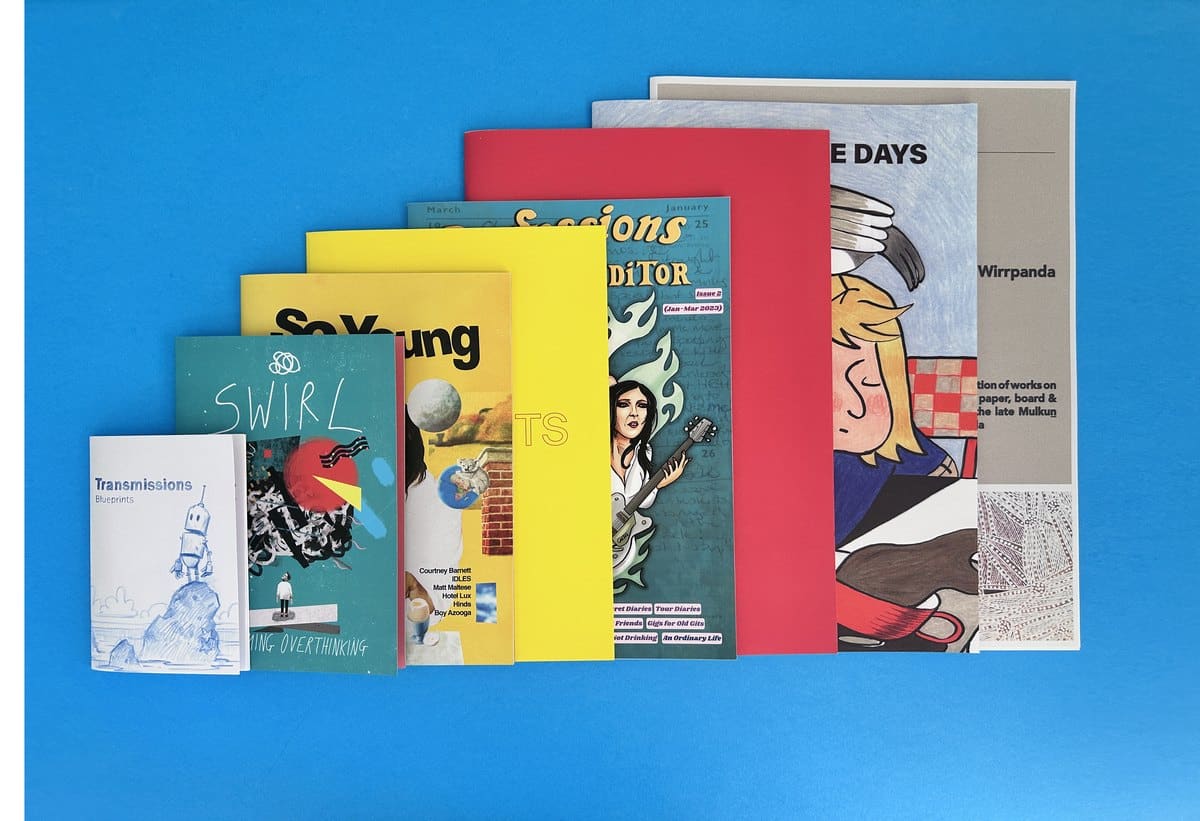
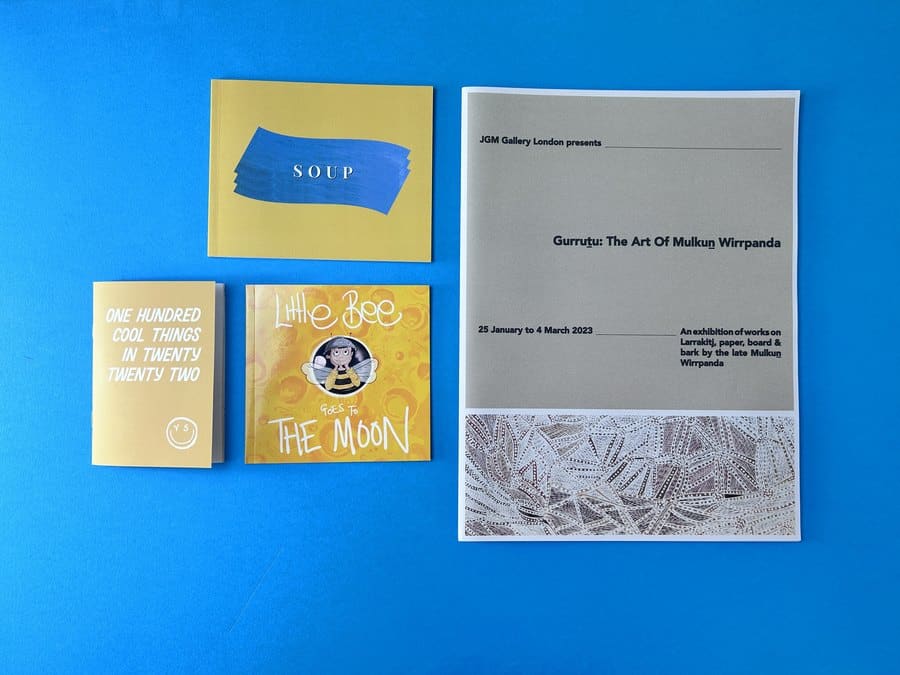
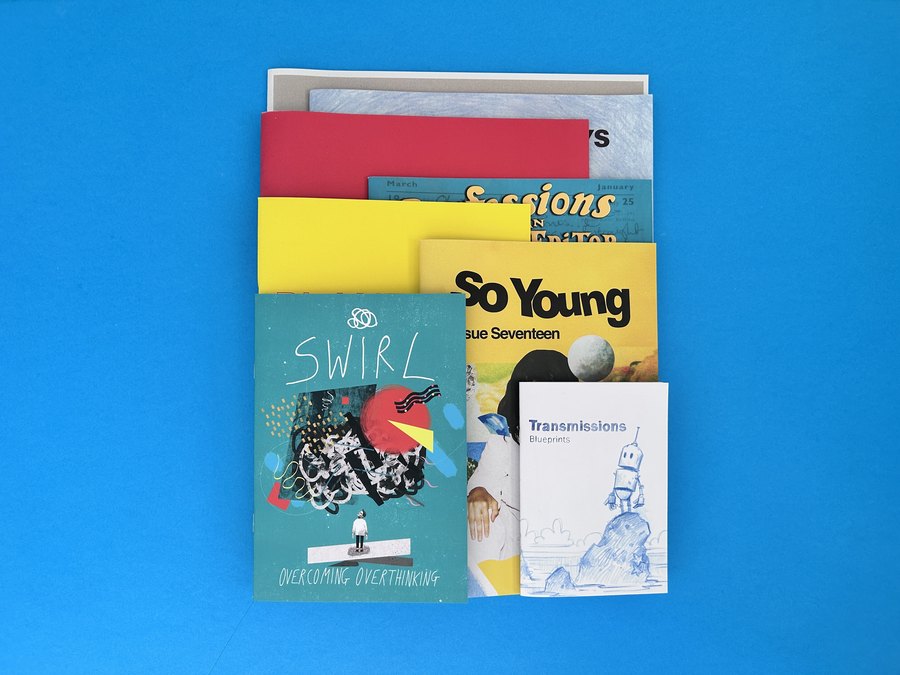
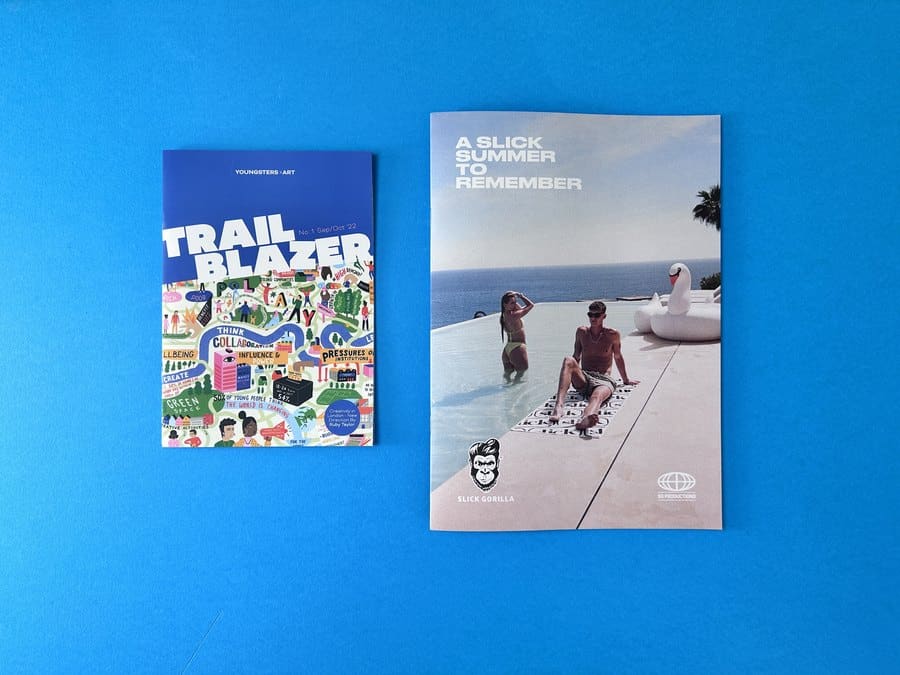
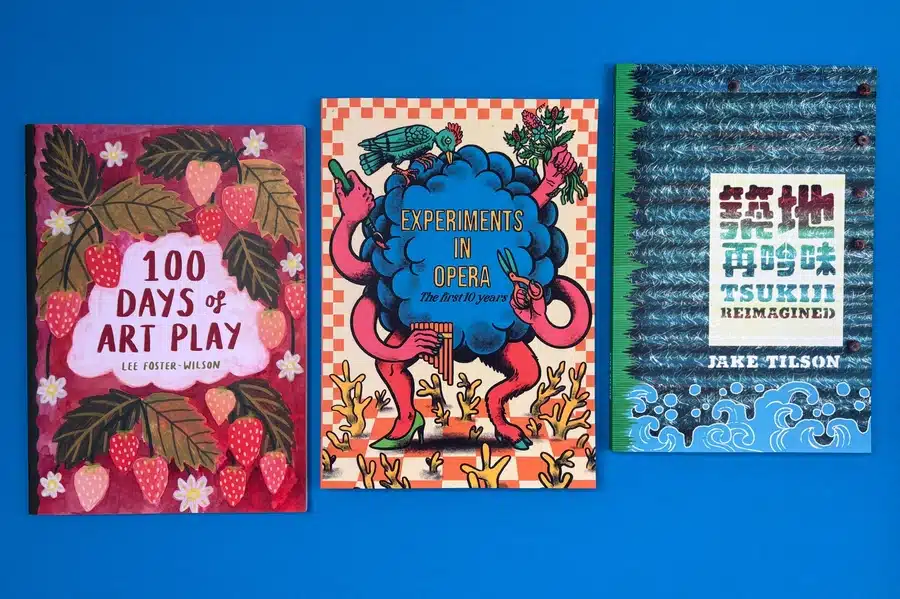
✓Booklet printing costs are primarily influenced by booklet size, page count, paper stock, binding method, and print quantity.
✓A5 booklets typically offer the best balance between affordability, usability, and professional presentation.
✓Larger formats, such as A4 landscape and A3, require more materials and generally cost more to produce.
✓Saddle-stitched booklets are usually the most cost-effective binding option, while perfect-bound and hardback formats increase production costs.
✓Digital printing is often the most economical choice for short-run booklet printing, whereas lithographic printing delivers better value for larger quantities.
✓Premium upgrades such as heavier paper stocks, hardback covers, lamination, foil blocking, and embossing increase booklet printing costs.
✓Bulk print runs reduce the cost per booklet by spreading setup and production expenses across more copies.
✓Careful planning of artwork, specifications, and print quantities can help avoid costly revisions, delays, and reprints.
Printing a booklet is often more complex than it first appears. The final cost depends on a series of production choices, from booklet size and paper stock to binding style and finishing options. A simple A5 brochure may be relatively inexpensive to produce, while a hardback catalogue with premium materials can cost significantly more.
These decisions affect far more than appearance.
Page count, colour printing, paper weight, binding method, and print quantity all influence production costs. Short digital print runs typically have a higher unit cost, whereas larger lithographic runs are often more economical. Premium finishes such as lamination, foil, and embossing can further increase the overall price.
Understanding what drives booklet printing costs makes it easier to budget effectively and avoid unnecessary expenses. This guide explores average booklet printing costs in the UK, the factors that influence pricing, and practical ways to achieve professional results without overspending.
The same booklet, specified two different ways, can differ in price several times over.
Average cost
What Is the Average Cost of Printing Booklets in the UK?
Booklet printing costs in the UK can range from under £1 per copy for simple short-run booklets to several pounds per unit for larger, premium publications.
The final price depends on factors such as booklet size, page count, paper stock, binding method, print quantity, and finishing options.
Average booklet printing costs for common booklet sizes
Booklet size has a direct impact on printing costs because it affects paper usage, ink coverage, and production efficiency. While exact prices vary by specification, the table below provides a general indication of booklet printing costs in the UK.
Booklet Size
Estimated Cost Per Booklet
A6
£0.30–£1.50
A5
£0.40–£2.50
A4 Landscape
£0.80–£4.00
A3
£2.00–£8.00+
Estimated costs vary depending on page count, quantity, paper stock, binding, and finishing requirements.
In general:
A6 booklet printing costs are typically lower because the compact format requires less paper and ink.
A5 booklet printing costs often provide the best balance between affordability and usability, making them popular for brochures, programmes, and promotional materials.
A4 landscape booklets cost more due to their larger print area and increased material requirements.
A3 booklet printing costs are usually the highest among standard booklet formats because of the larger sheet size and specialist production requirements.
Binding also affects pricing. Saddle-stitched booklets are generally the most economical option for lower page counts, while perfect-bound booklets command a higher price because of the additional production process and premium appearance.
Why Is It Difficult to Estimate Booklet Printing Costs?
Booklet printing prices can vary significantly because every project uses a different combination of specifications. Two booklets of the same size may have very different production costs depending on the materials, finishing options, and quantity ordered.
For example:
An A5 saddle-stitched booklet printed on standard silk paper will cost considerably less than a perfect-bound booklet using premium textured stock.
Switching from standard paper to a heavier premium stock can noticeably increase costs on larger print runs.
Adding finishes such as lamination, foil blocking, or embossing introduces additional production stages and expenses.
Because multiple factors influence pricing simultaneously, most printers provide bespoke quotations based on the exact booklet specification. Comparing options before placing an order can help identify the most cost-effective solution for your project.
Cost drivers
What Drives the Cost of Printing Booklets?
Booklet printing costs depend on the specifications you choose. Size, page count, paper stock, colour printing, binding, and finishing all affect the final price.
Larger formats, premium materials, and complex finishes increase production costs, while simpler specifications and higher print quantities usually reduce the cost per booklet.
01
How booklet size affects printing costs
Booklet size directly affects paper usage, ink coverage, and production efficiency. Larger formats cost more because they require more materials and can increase finishing and binding costs. An A4 booklet will almost always cost more to print than an A5 booklet with the same specifications.
A6 booklets are compact and cost-effective for programmes, zines, and small guides.
A5 booklets balance affordability with usability, making them popular for brochures and catalogues.
A4 booklets provide more design space but require more paper and higher production costs.
If budget is a priority, choosing a smaller booklet format can significantly reduce printing costs without affecting content quality.
02
How page count changes booklet pricing
Page count is one of the biggest cost drivers in booklet printing. More pages increase paper usage, ink consumption, and binding requirements, which raises the overall production cost.
Booklets are printed using folded sheets, so page counts must usually be divisible by four. Adding unnecessary pages increases costs quickly, especially for larger print runs. Keeping layouts efficient and removing excess content helps reduce booklet printing costs while maintaining readability and design quality.
03
How paper stock and GSM influence booklet printing costs
Paper stock affects both the look of your booklet and its printing cost. GSM, which stands for grams per square metre, is a measurement used to describe paper weight. In simple terms, the higher the GSM, the thicker and heavier the paper feels.
For example, a booklet printed on lightweight paper is usually cheaper to produce than one printed on a thicker, premium stock. Heavier papers are often used for covers because they feel more durable and create a higher-quality finish, but they also increase material and binding costs.
Paper finishes can also affect pricing. Common options include:
Gloss paper, which creates a shiny finish and makes colours appear more vibrant
Silk paper, which offers a smooth finish with less shine
Uncoated paper, which has a natural texture and is often used for a more premium or tactile feel
Choosing the right paper stock comes down to balancing appearance, durability, and budget. A thicker paper may improve the perceived quality of a booklet, but it can also increase production costs, particularly for larger print runs.
04
Why colour printing increases booklet costs
Full-colour booklet printing costs more because it uses additional ink, longer production processes, and stricter colour calibration. Booklets printed in CMYK require four colour layers, which increases printing complexity compared to black-and-white printing.
Colour printing is often essential for brochures, catalogues, and marketing materials because it improves visual impact and presentation quality. However, using colour selectively, such as printing only the cover in colour, can help reduce production costs without losing visual appeal.
05
How booklet binding impacts final pricing
Binding affects both the appearance and production cost of a booklet. Simpler binding methods are cheaper and faster to produce, while premium bindings require additional materials and manufacturing processes.
Saddle-stitched binding is one of the most cost-effective options for brochures, programmes, catalogues, and magazines with lower page counts. It uses folded pages secured with staples along the spine.
Perfect binding creates a flat glued spine similar to a paperback book. It provides a more professional finish for thicker booklets but costs more than saddle stitching.
Hardback binding is the most expensive option because it uses rigid covers and additional production processes. It is typically chosen for premium publications, portfolios, and high-end print projects.
06
How turnaround times affect booklet printing costs
Production schedules can influence booklet printing costs, particularly when tight deadlines are involved. Standard turnaround times are usually the most cost-effective option, while expedited production often incurs additional charges.
Costs may increase when:
Priority production is required
Same-day or next-day printing is requested
Additional staffing or press time is needed
Special delivery arrangements are required
Planning booklet printing in advance can help businesses avoid rush fees and keep production costs under control.
Binding is one of the biggest single levers on the price of a booklet.
Formats
How Much Does Different Booklet Printing Formats Cost?
Booklet format affects printing costs because larger sizes require more paper, ink, and finishing resources.
While exact pricing varies by specification, understanding the relative cost differences between common booklet sizes can help you choose the most cost-effective format for your project.
How much more does it cost to move up a booklet size?
As the booklet size increases, so do the material and production costs. Larger formats require more paper, greater ink coverage, and often additional finishing resources.
For example:
Moving from A6 to A5 typically results in a modest increase in production costs.
Moving from A5 to A4 usually has a greater impact because of increased paper and ink usage.
A3 booklets often attract the highest production costs due to larger sheet sizes, specialist handling, and additional finishing requirements.
Even when page counts remain the same, larger formats generally cost more to produce because every page consumes more materials.
Which booklet format offers the best value?
For most businesses, A5 booklets provide the best balance of cost, usability, and presentation quality. They offer enough space for detailed content while keeping production costs relatively affordable.
If minimising costs is the main objective, A6 booklets are usually the most economical option. However, for brochures, catalogues, and marketing materials, A5 often delivers better overall value by combining professional presentation with cost-effective production.
Larger formats such as A4 landscape and A3 are typically chosen when visual impact, imagery, or detailed layouts are more important than minimising printing costs.
A5 remains the sweet spot for most business booklets.
Quantity
How Do Printing Quantities Affect Booklet Printing Costs?
Print quantity has a major impact on booklet printing costs because setup expenses are shared across the total number of copies produced.
Smaller print runs usually have a higher cost per booklet, while bulk printing lowers the unit price and improves overall production efficiency.
01
Why does short-run booklet printing cost more per unit
Short-run booklet printing costs more per copy because the same setup work is required regardless of quantity. File preparation, machine calibration, and print setup still take time, whether you print 10 booklets or 1,000.
Short-run printing often involves:
Higher cost per booklet
Limited economies of scale
Faster digital printing methods
Better flexibility for low-volume projects
Digital printing has made small booklet runs more affordable, but unit costs remain higher than bulk printing.
02
How bulk booklet printing reduces costs
Bulk booklet printing reduces the per-unit price because setup and production costs are spread over a larger quantity. Longer print runs also improve printing efficiency and reduce material waste during production.
Bulk printing benefits often include:
Lower cost per booklet
More efficient production processes
Consistent print quality across all copies
Reduced long-term reordering costs
For businesses that regularly print brochures, catalogues, or promotional materials, larger print runs are usually more cost-effective.
Booklet quantity pricing comparison table
The cost per booklet decreases as print quantities increase. Larger orders reduce unit pricing because setup and production costs are distributed across more copies.
Quantity
Estimated Total Cost
Estimated Cost Per Booklet
10
£30
£3.00
50
£60
£1.20
250
£150
£0.60
1000
£400
£0.40
Actual booklet printing costs vary depending on booklet size, page count, paper stock, binding method, and finishing specifications.
Digital vs litho
Which Printing Method Is More Cost-Effective for Booklets?
The most cost-effective printing method depends on your print quantity, turnaround requirements, and production goals.
Digital printing is generally more affordable for smaller orders, while lithographic printing becomes more economical as print volumes increase.
01
When is digital booklet printing the better option?
Digital printing produces booklets directly from a digital file without the need for printing plates. Lower setup costs and faster production make it a cost-effective choice for short-run printing projects.
Digital printing is typically best when:
Printing fewer than 500–1000 copies
Working to tight deadlines
Producing personalised or variable-data booklets
Making frequent design updates
Ordering short-run promotional materials
For lower-volume orders, digital printing usually offers the lowest overall production cost and the fastest turnaround times.
02
When does lithographic booklet printing become more cost-effective?
Lithographic printing uses custom printing plates, which increases setup costs. However, as print quantities grow, those setup costs are spread across more copies, reducing the cost per booklet.
Lithographic printing is often the better choice when:
Printing large quantities
Producing long-term marketing materials
Maintaining strict colour consistency
Using specialist paper stocks or premium finishes
Running large commercial print campaigns
For bulk booklet printing, lithographic production often delivers lower unit costs and greater cost efficiency.
Digital vs litho booklet printing comparison
Feature
Digital Printing
Lithographic Printing
Best For
Short and medium print runs
Large-volume print runs
Setup Costs
Lower
Higher
Turnaround Time
Faster
Longer
Personalisation
Easy
Limited
Cost Efficiency
Better for smaller quantities
Better for larger quantities
Colour Consistency
Very good
Excellent
Choosing the right printing method depends on the size and objectives of your project. For short-run booklets, digital printing is usually the most economical solution. For larger print runs, lithographic printing often provides better long-term value and lower production costs per booklet.
Premium printing
How Much Does Premium Booklet Printing Cost?
Premium booklet printing increases costs because it uses higher-quality materials, specialist finishes, and more complex production methods.
Upgrades such as hardback covers, thicker paper stocks, and custom finishes improve durability and presentation but also add additional manufacturing and finishing expenses.
1. Hardback booklet printing cost overview
Hardback booklet printing is one of the most expensive booklet production options because it involves rigid covers, stronger binding materials, and more labour-intensive assembly processes. These booklets are designed for durability, premium presentation, and long-term use.
Hardback booklet printing costs are usually higher due to:
Rigid board cover construction
More complex binding processes
Higher material and labour costs
Premium finishing requirements
Longer production times
Hardback booklets are commonly used for portfolios, commemorative publications, premium catalogues, and collector-quality print projects where presentation is a priority.
2. Premium paper upgrade costs
Premium paper stocks increase booklet printing costs because thicker and specialist papers are more expensive to source, print, and bind. Higher GSM papers also affect production handling and finishing requirements.
Premium paper upgrades often include:
Thicker cover stocks
Textured or uncoated papers
Recycled or speciality papers
Silk, gloss, or soft-touch finishes
Higher GSM inner pages
Upgrading paper stock can significantly improve print quality, durability, and perceived value, particularly for high-end marketing materials and branded publications.
3. Custom cover and finishing costs
Custom finishes improve the visual appearance and durability of a booklet but add extra production stages and material costs. Premium finishing options are commonly used to create a more professional and visually distinctive printed product.
Common premium booklet finishes include:
Gloss lamination
Matt lamination
Soft-touch lamination
Foil blocking
Embossing
Spot UV coating
These finishes are often used for presentation booklets, luxury brochures, and premium brand materials where visual impact and tactile quality are important.
Premium stock and finishing buy presence — at a price per copy.
Save money
How can you reduce your booklet printing costs?
Reducing booklet printing costs is not always about choosing the cheapest materials or specifications.
In many cases, the biggest savings come from planning your project correctly before production begins. Making informed decisions early can help you control costs without compromising print quality or presentation.
1
Prioritise the specifications that matter most
Not every booklet needs premium materials, specialist finishes, or high-end binding. Before requesting quotes, identify which elements genuinely add value to your project and which can be simplified without affecting the reader experience.
Consider:
Whether premium finishes are necessary
If a standard format can achieve the same goal
Which design features directly support the booklet’s purpose
Whether durability or presentation is the higher priority
Focusing your budget on the most important features helps prevent unnecessary production costs.
2
Plan print requirements in advance
Last-minute changes can increase printing costs through artwork revisions, production delays, and rush turnaround charges. Establishing specifications early allows printers to recommend the most efficient production method and pricing structure.
Good planning includes:
Confirming final artwork before production
Setting realistic delivery deadlines
Defining print quantities accurately
Reviewing proofs carefully before approval
The fewer changes required during production, the lower the risk of unexpected costs.
3
Compare printing options before ordering
Booklet printing prices can vary significantly between suppliers depending on equipment, production methods, and service levels. Comparing multiple quotations helps identify the best value rather than simply the lowest price.
When comparing printers, review:
Print quality standards
Included finishing options
Turnaround times
Delivery charges
Artwork support and proofing services
A slightly higher upfront quote can sometimes deliver better long-term value if it reduces the risk of errors, delays, or reprints.
4
Work with experienced booklet printers
Production mistakes often cost more than the savings achieved by choosing the cheapest supplier. Experienced printers can recommend suitable specifications, identify potential issues before printing, and help optimise production costs.
Professional guidance can help businesses make informed decisions, avoid unnecessary expenses, and achieve the best possible balance between budget, print quality, and project objectives.
How Can Ex Why Zed Help Manage Booklet Printing Costs?
Keeping booklet printing costs under control is not just about choosing cheaper materials. It is about making the right production decisions from the start. Ex Why Zed helps businesses, publishers, designers, and creative brands produce professional booklets while avoiding unnecessary expenses, production delays, and costly print mistakes.
Why choose Ex Why Zed?
✓Specialist expertise in short-run and large-volume booklet printing
✓Fast turnaround options for time-sensitive print projects
✓Support from experienced print specialists throughout production
✓Guidance on booklet sizes, paper stocks, binding methods, and finishes
✓Help prepare print-ready artwork and file setup
✓Digital and lithographic printing solutions tailored to project requirements
✓High-quality colour reproduction and print consistency
✓Transparent pricing with no unnecessary production costs
✓Assistance in identifying cost-saving opportunities without compromising quality
✓Reduced risk of artwork errors, reprints, and production delays
Whether you are producing brochures, catalogues, magazines, zines, portfolios, or branded publications, Ex Why Zed helps simplify the printing process and ensures your budget is invested where it delivers the greatest impact.
With expert production guidance and dedicated print support, businesses can achieve professional booklet printing while avoiding costly mistakes and keeping production costs under control.
Booklet printing costs are influenced by every production decision, from booklet size and page count to paper stock, binding, stapled booklets, print quantity, and finishing options. Smaller formats, standard paper stocks, and efficient print quantities usually provide the best balance between affordability and professional print quality.
Understanding what drives booklet printing costs helps businesses avoid unnecessary production expenses and choose specifications that match their budget and project goals. Whether you need short-run digital booklets or premium hardback publications, careful print planning and the right production choices can significantly improve both cost efficiency and final print quality.
FAQ
Frequently Asked Questions
Yes. Most booklet printers offer instant online quotes based on your booklet size, page count, paper stock, binding type, including Wiro binding, print quantity, and finishing options. Adjusting specifications updates the estimated printing cost in real time.
Yes. Digital printing offers a cost-effective solution for low-quantity booklet printing due to its lower setup costs and faster production times. Smaller A5 or A6 saddle-stitched booklets give you plenty of space and are usually the most affordable options for short print runs.
Cheap booklet printing delivery in the UK usually takes between 2 and 7 working days, depending on the print quantity, binding method, finishing options, and your preferred delivery date. Express turnaround services are often available for urgent short-run booklet printing orders.
Some booklet printing companies offer free UK delivery, particularly on larger orders or standard turnaround services. However, once you add items to your shopping cart, you’ll be able to see delivery costs at the checkout, as they can vary depending on print quantity, booklet size, production speed, and courier requirements.
Booklet printing prices are affected by booklet size, the number of pages, paper stock, colour printing, binding type, print quantity, and finishing options, including how single pages are presented. Premium materials, larger formats, and custom finishes increase production costs, while bulk printing usually lowers the cost per booklet.
Online booklet printing is often cheaper for short and medium print runs because digital production and automated ordering systems reduce overhead costs for newsletters. Local print shops may charge more, but they can offer personalised support, print consultations, and faster local collection options.
Booklet printing in the UK can cost anywhere from under £1 per copy for simple short-run booklets to several pounds per unit for premium formats, including options for a quality front cover. If you order before 2pm, you can get it next day. Pricing depends on booklet size, page count, paper stock, binding, print quantity, and finishing options.
If you're dreaming of turning your manuscript into a physical book, you're probably asking one key question: How much will it cost to print a book? Whether you're an aspiring author, a small business owner looking to create promotional materials, or someone with a passion project, understanding the costs can be overwhelming.
The price isn't just about pressing the "Print" button; it combines paper quality, print run size, binding type, and many other factors. In this blog, we'll break down the costs in a way that helps you make informed decisions, avoid surprises, and find the most cost-effective printing options for your unique project.
Let's dive into the world of book printing—no jargon, just practical advice you can use to bring your book to life.
What is the Cost of Printing a Softcover Book?
To begin with, let's look at the estimated cost of printing a softcover book. If you're looking to print a softcover (paperback) book, whether it's a novel, a guide, or any other type of publication, the printing cost in the United States can range from $2.00 to $4.00 per copy, if printed in bulk quantity.
This price can vary based on factors such as the book's size, the type of paper you choose, the color of the cover, and the binding style. Remember that this doesn't include other essential costs like cover design, ISBN registration, or pricing for shipping fees. When planning your budget, it's important to account for these additional expenses to ensure your project stays on track.
ExWhyZed, a creative print company, offers high-quality softcover book printing, also known as perfect bound books, designed for durability and a professional finish. Our services include customizable paper stocks, cover finishes, and printing options, ensuring each book aligns with the author's vision. They create books with clean, square spines using industry-standard perfect binding for a polished look.
An A5 Saddled Stitched Softback for 500 copies at Ex Why Zed can cost you $399, which means a single copy could cost you approximately only $0.80. You can request a quote from us for your requirement now!
How Much Does It Cost to Print a Hardcover Book?
Hardcover books are more expensive to print than paperbacks, but the investment can be worth it if you want a premium feel and longer-lasting quality.
Expect to pay anywhere from $5 to $10 per copy for hardcover printing. The price depends on factors like the thickness of the cover material, the type of print (full color vs. black-and-white), and the overall print quality.
If you're printing a book for a special edition or to appeal to collectors, the extra cost could be a great selling point for your readers.
What is the Cost of Printing a Spiral-Bound Book?
Spiral-bound books, such as cookbooks, workbooks, or instructional guides, are perfect for projects that need to lay flat. Printing a spiral-bound book typically costs between $4 and $6 per copy, but the final price will depend on a few variables.
The cost is impacted by the type of coil (plastic or metal), the method of printing (digital or offset), and the quality of paper used. If your book needs to be easily referenced or opened to a specific page, spiral binding is a great option.
However, note that it may come with a slightly higher price tag than traditional binding methods.
At Ex Why Zed, our opinion is that Spiral Bound books are best for company reports and not creative publications.
What Are the Factors that Influence Book Printing Costs?
Several elements come into play when examining the cost of printing a book. These factors might seem overwhelming initially, but considering them can facilitate a smoother and more financially viable publishing process. Let's examine them in depth.
1. Print Run Size: Bigger Prints, Lower Costs
When you decide how many copies to print, you determine how much you'll pay per book. Larger print runs help lower the cost per unit because the initial setup costs are spread across more books.
So, if you're printing 100 copies, the cost per book will be higher than if you were printing 1,000 copies. However, don't jump into a massive print run if you're unsure about demand. Test your market first to avoid overcommitting.
2. Paper Quality: A Balance Between Feel and Cost
The paper you choose plays a significant role in the final look and cost of your book. Higher-quality paper (think thicker or textured) will give your book a premium feel and increase the cost.
Lighter, standard paper is budget-friendly but might not provide that luxurious feel you may want for a high-end project. Consider your book's purpose and your target reader when making this choice. For example, a simple novel doesn't need luxury paper, but a photo book might.
ExWhyZed offers a variety of house papers, including Uncoated, Silk, Gloss, and Evolution Uncoated, each available in weights from 100gsm to 350gsm. For zine interiors, they recommend a maximum of 170gsm to maintain flexibility, while covers are best suited to 300gsm, as 350gsm may be overly rigid.
3. Book Dimensions and Page Count: Bigger Isn't Always Better
Larger books or those with more pages automatically increase the cost due to more materials required, including the size of the book. Expect your costs to rise if your book has a higher page count or unique dimensions.
While it may seem tempting to choose a bigger size or longer format, it's important to stick with what makes sense for your content. Plus, custom sizes or non-standard formats might incur additional setup fees.
4. Color vs. Black and White: Impact on Budget
Whether your book is in color or black and white impacts the final cost. Color printing is more expensive because it uses additional ink and a more complex process. Color is essential if your book includes illustrations, images, graphics, or photos—but prepare to pay for it.
However, for text-heavy books or novels, black-and-white printing will help keep things affordable without sacrificing quality.
5. Binding: Durability and Design Choices
Binding affects both the durability and price of your book. Perfect binding (for paperback books) is cost-effective and widely used. If you're aiming for a more professional, high-end look, hardcover binding is an option, though it adds more to your budget.
Saddle stitching works well for shorter books, but it's limited to fewer pages. Whether creating a long novel or a small booklet, your binding choice should reflect your book's content and budget.
6. Cover Design: The First Impression
The cover is your book's first impression, and it can be a significant factor in the cost. If you're looking for something eye-catching, consider finishes like embossing or foil stamping, which add a premium touch but will drive up costs.
However, a simple cover design with a matte or glossy finish keeps things sleek and more affordable. Consider your book's market and decide how much you will invest in making that first impression count.
7. Printing Method: Digital vs. Offset
Your choice of printing method also affects both cost and quality. Creative digital printing is most efficient on smaller runs. There's no setup fee, which makes it more affordable for limited quantities, but the cost per book is higher.
On the other hand, offset printing is designed for larger batches and requires a more expensive setup process, but once you're printing in bulk, the price per unit drops significantly. Think about your needs, such as short runs vs. long runs, and choose accordingly.
8. Shipping and Distribution: Budgeting for the Extras
Once your book is printed, it's time to get it into the hands of your readers. Shipping and distribution are often overlooked but can add significant charges. Shipping costs are affected by the weight of the book, the quantity you're sending, and the destinations.
If you're distributing through retailers or directly to customers, don't forget to account for inventory storage, order processing, and delivery fees. Planning ahead for these hidden costs will help ensure you don't exceed budget.
What are the Key Components of the Cost Breakdown for Publishing a book?
Having a granular perspective on the components of book publishing costs aids in strategizing your print order effectively. Suppose we consider a standard 6" x 9" paperback with 200 pages, a full-color cover, protected with gloss film lamination, and a black-and-white interior. Here's an in-depth breakdown of the possible costs, further clarified in different stages:
1. Editing and Manuscript Preparation
The manuscript must be prepared before entering the actual printing process. This phase includes proofreading, editing, formatting and even cover design—all of which contribute to the total cost of self-publishing a book. Errors in text can be quite costly if caught after the print run has been executed. These expenses may range from $500 to $3,000, depending on the editor's experience and the manuscript's complexity.
2. Printing Costs
Printing costs can be expensive, influenced by features such as print run size, the chosen printing method, book dimensions, and selected paper. A conservative estimate would cost around $2.50 to $4.00 per book for 1,000 copies, making the total printing cost between $2,500 and $4,000.
Printing Method
Print Run Size
Per Book Cost
Total Cost
Offset Printing
1000 copies
$3.00
$3000.00
Digital Printing
1000 copies
$4.00
$4000.00
Besides, if you're considering ExWhyZed for your printing needs, a 500-copy order with a 300gsm Silk cover and 130gsm Silk (Satin) inside pages would cost approximately $0.80 per book, bringing the total to $399.
3. Cover Finishing
Adding finishing touches to your book's cover can enhance its appeal but also increase the cost. Lamination, embossing, foil stamping, or spot UV coating can cost $1 to $5 per book.
4. Marketing and Promotion Spends
Although marketing and promotion aren't directly related to printing, they are essential to a book's success. The costs of marketing campaigns, social media, online ads, and book launch events can range from a few hundred to thousands of dollars.
When you choose ExWhyZed, you get plenty of benefits with your marketing and promotion spends. Our Social Media Promotion Pack is a comprehensive toolkit designed to enhance your book's visibility across various platforms.
This package includes a professionally written press release and blog post, a one-week social media calendar, a month-long social media ideas planner, tailored post suggestions for platforms like Facebook, Instagram, TikTok, and LinkedIn, 10-20 high-quality photographs of your book, and one-minute videos optimized for both landscape and portrait orientations. This pack is priced at £250, which is approximately equal to $322.49 USD.
5. ISBN and Barcodes
An International Standard Book Number (ISBN) and a barcode are necessary for retail distribution. A single ISBN costs roughly $125 or $295 for a block of ten, while barcodes may be purchased for $25 to $50 each.
6. Miscellaneous Costs
Other potential costs encompass legal fees for copyright services, possible software subscriptions, or seeking professional advice – which could be as much as $50 to $300 per hour.
Considering all these factors, let's look into the total estimated book printing prices. Below is a table for your reference:
Expense Category
Estimated Cost Range
Editing & Manuscript Preparation
$500 – $3,000
Printing Costs (Offset: $3.00 per book, Digital: $4.00 per book – 1,000 copies)
$3,000 – $4,000
Cover Finishing (Per Book: $1 - $5)
$1,000 – $5,000
Marketing & Promotion
$500 – $5,000+
ISBN (Single vs. Block of 10)
$125 – $295
Barcode
$25 – $50
Miscellaneous (Legal, Software, Professional Advice, etc.)
$50 – $300 per hour
Estimated Total Cost (Offset Printing)
$5,200 – $11,670+
Estimated Total Cost (Digital Printing)
$6,200 – $12,670+
What Are Some Cost-Saving Tips For Printing a Book?
Now that we have a detailed understanding of how much you need to pay to print your book, it's also ideal to know how to cut down expenses wherever possible. While many costs are inevitable, there are strategies to curb the expenses associated with book publishing. Let's examine these tips.
1. Print on Demand (POD)
Print on Demand (POD) services can be cost-effective, particularly for smaller print runs or first-time authors. By enabling book printing as ordered, POD eliminates the requirement of a significant upfront investment while reducing storage concerns. Companies like Amazon's KDP offer POD services that can help publish your eBook.
2. Bulk Printing Discounts and Negotiating with Suppliers
If high demand is predicted for your book, printing in bulk can considerably lower the per-unit cost. Offset printing becomes economical with larger quantities; hence, this could be a viable strategy if confident about sales projections. Simultaneously, obtaining multiple quotes from printers and negotiating with suppliers could result in discounts or better rates.
Achieve Publishing Excellence with ExWhyZed's Effortless and Cost-Effective Printing
Do you want to simplify the process of printing your book and ensure a seamless experience from start to finish? At ExWhyZed, we specialize in making book printing hassle-free, offering tailored solutions to meet your unique needs. Whether you're printing a paperback, hardcover, or spiral-bound book, we provide top-notch quality and service at competitive prices, ensuring your book is produced to the highest standard.
Choosing us means partnering with a reliable brand that understands the complexities of the printing world. We are committed to helping you bring your vision to life while keeping your budget in check. Ready to take the next step in printing your book? Contact us today to get started, and let ExWhyZed handle the details!
Conclusion
Printing a book is a complex process, with various factors contributing to the overall costs. By thoroughly understanding these factors and exploring cost-saving strategies, you can make smarter, more informed decisions that help keep your project within budget.
Strategic planning and thoughtful consideration of each aspect of the printing process will ensure your book's success and help you achieve your publishing goals without overspending. With the right approach, you can easily print your book while staying financially on track.
Frequently Asked Questions
How does print run size affect book printing costs?
A print run size indicates the number of copies intended for printing. Due to economies of scale, the cost per unit drops with a more extensive print run. This allows the printer to spread the setup costs over more units, lowering the overall cost per book.
How much does it cost to print a 200-page book?
The cost of printing a 200-page book varies based on factors like paper quality, binding, and quantity. On average, the cost of printing one copy can range from $2 to $10. The cost per unit decreases for larger quantities. Additional features like color printing or special finishes can increase the price.
How much does it cost to print a 300-page book?
Printing a 300-page book can cost anywhere from $3 to $10 per unit, depending on factors like quantity, paper quality, color options, and binding. Additional costs may apply for cover design, editing, and formatting.
How much does it cost to print a paperback book?
Printing a paperback can cost between $2 and $4 per copy, depending on factors such as the book dimensions, quality of paper, printing method, and the size of the print run.
How much does it cost to print a single book?
The average price to print a single book can greatly vary depending on factors mentioned in this blog. For a standard 200-page black-and-white paperback, the cost generally lies between $2 and $4 per copy. Conversely, the same full-color book could cost between $10 and $30 per copy. Hardcover volumes typically fetch higher costs due to additional materials and a different binding process.