Golden Age covers introduced bold, action-driven imagery that redefined superhero storytelling.
Silver Age covers embraced cosmic themes and team dynamics, elevating comic book universes.
Bronze Age covers tackled real-world issues, marking a shift to mature, emotionally driven narratives.
Modern Age covers used variant editions and gimmicks to turn comics into collectible art.
Digital Era covers embraced minimalism and experimentation, focusing on design-led storytelling.
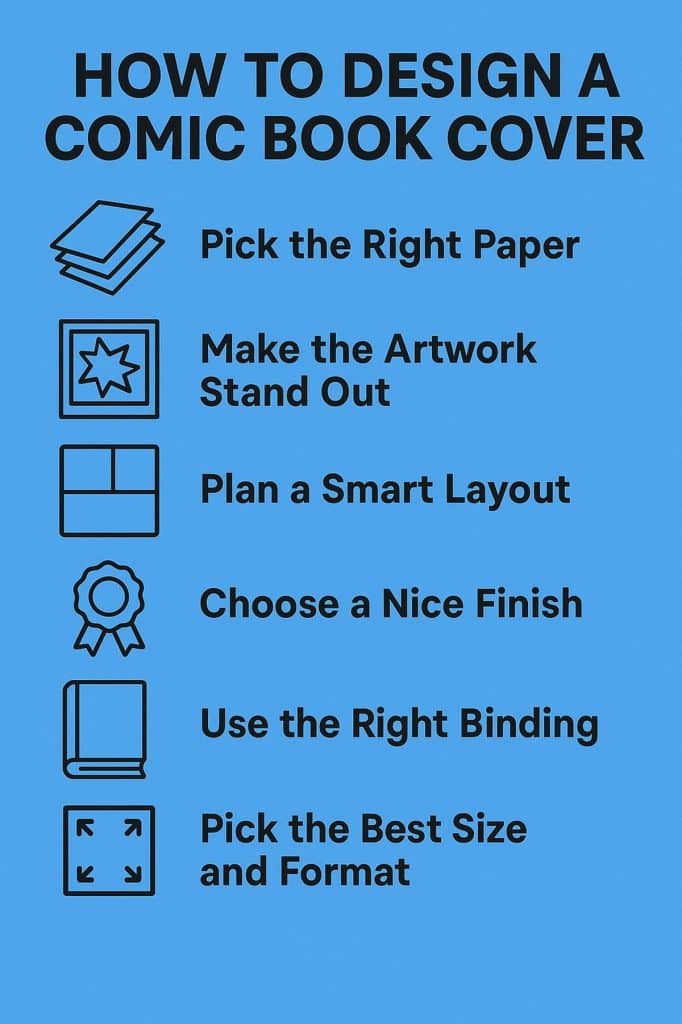
Strong cover design relies on impactful visuals, thoughtful layouts, and high-quality materials.
Professional printing services like Ex Why Zed help bring comic covers to life with premium finishes.
When you think of a comic book, the first thing that grabs your eye is the cover. For iconic publishers like Marvel and DC, the cover has always been a creative space where artists push boundaries and set the tone for what lies within.
As heroes like Batman and Superman evolved, their covers also changed, reflecting the culture, trends, and imagination of each era. It’s no surprise that the comic book industry is thriving. The global market was valued at $16.8 billion in 2024 and is projected to reach $31.2 billion by 2034, growing at a CAGR of 6.6%.
In this blog, we’ll explore the types of comic book covers that didn’t just define stories — they defined eras. Also, we'll be talking about how to design cool comic book covers.
Which Types of Comic Book Covers Defined the Eras of Comics?
Over the years, comic book covers have done more than grab attention. They’ve told us where comics were headed and what readers cared about. Each era brought its own style, message, and creative flair, many becoming some of the best comic book covers of all time.
Let’s take a closer look at the standout comic book covers ideas that not only defined their eras, but helped shape the legacy of comics as we know them.
1. Golden Age Action-Packed Covers (1938–1950)
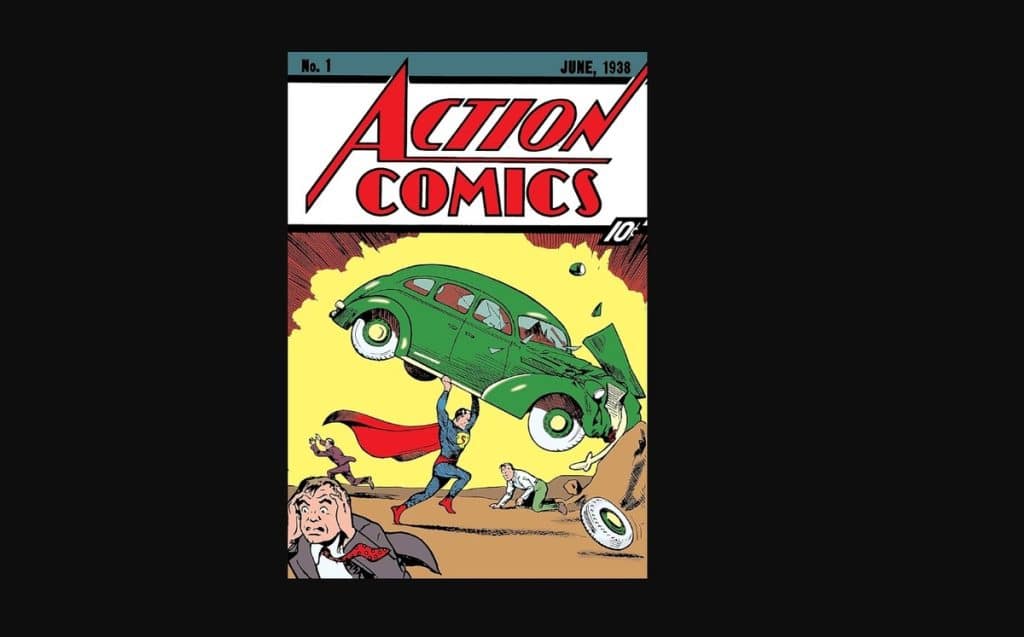
The Golden Age exploded with energy. Covers from this era were all about bold heroes leaping into action — sometimes quite literally. When Action Comics #1 dropped in 1938, Superman was shown lifting a car over his head. That image alone redefined what a superhero could be larger-than-life, unstoppable, and unforgettable.
Then came Captain America Comics #1, where Cap famously punched Hitler right on the cover. During World War II, this was more than just eye-catching it was powerful. These early works are often seen as some of the most iconic comic book covers ever printed.
Batman’s early appearances in Detective Comics were just as thrilling. With his cape billowing and fists flying, he leapt across covers like a shadow in motion.
These classic comic book covers didn’t just entertain; they inspired, uniting readers during uncertain times and leaving a legacy still felt in today’s superhero stories.
Want to know what makes characters like Superman or Batman so iconic? Read about comic book characteristics to see what sets them apart.
2. Silver Age Team-Ups and Crossovers (1956–1970)
Welcome to the era of big ideas and even bigger teams. The Silver Age brought a wave of imagination, science fiction, and collaboration — all front and center on the covers. This is when comic book universes truly began to feel... universal.
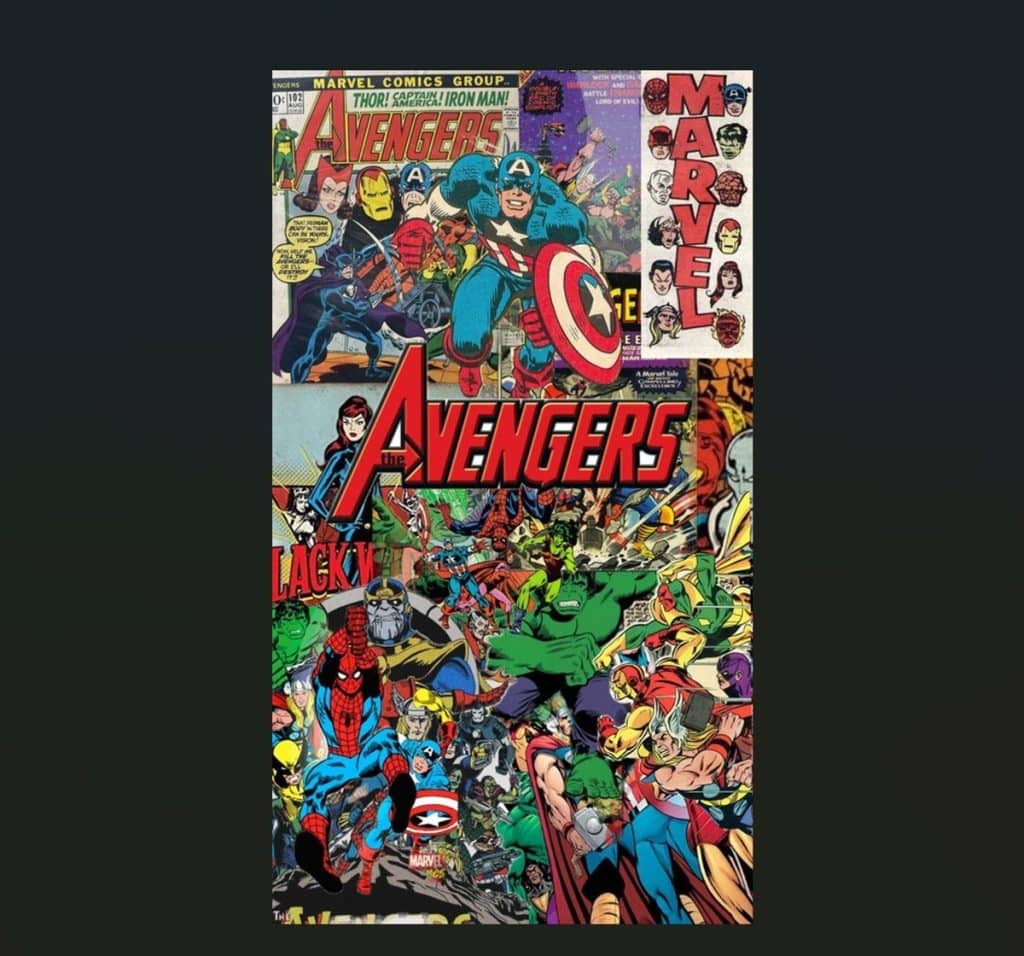
Marvel introduced The Avengers, with covers featuring Thor, Iron Man, Hulk, and more, battling side-by-side against massive threats. At the same time, DC’s Justice League of America united Superman, Batman, Wonder Woman, and others in epic scenes that became cool comic book covers fans still remember.
The art also took on a new vibe with cosmic backdrops, experimental layouts, and dynamic poses that felt like movie stills. Journey into Mystery gave us Thor surrounded by stars and myth — a perfect example of comic book cover ideas that embraced scale and spectacle.
Silver Age covers were loud, fun, and full of promise. Many of these comic book covers required advanced planning and production techniques. And, if you want to learn how comics like these go from idea to printed reality, check out the full book printing process.
3. Bronze Age Social Commentary Covers (1970–1985)
The Bronze Age brought a serious tone shift. Covers started reflecting real-life struggles — and they didn’t hold back. Suddenly, superheroes had problems that couldn’t be solved with a single punch.
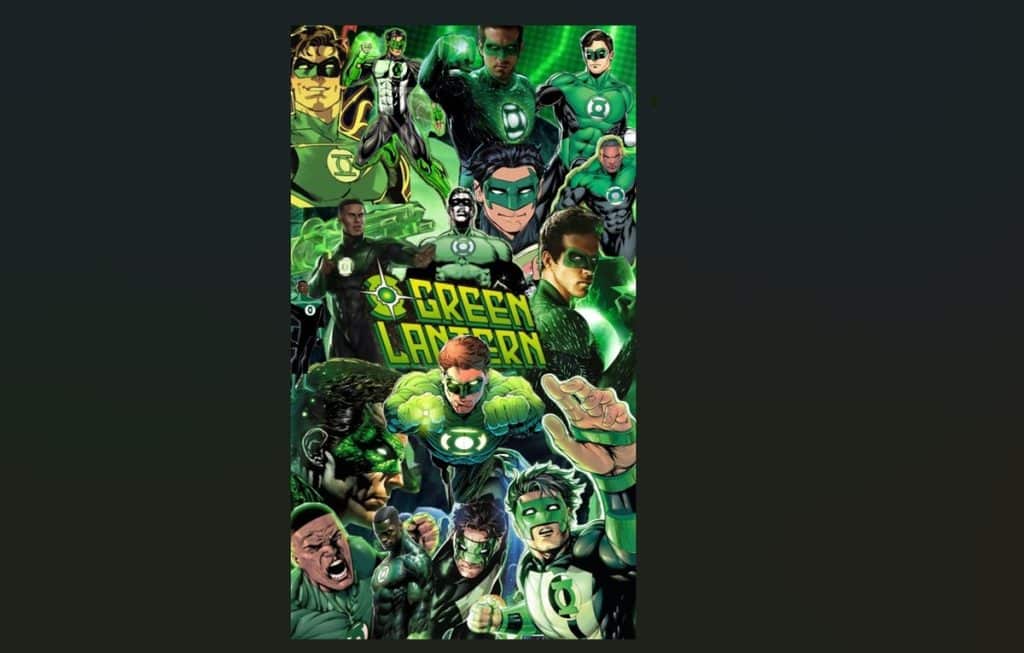
Take Green Lantern #85 — the cover shocked readers by showing Green Arrow’s sidekick caught in heroin addiction. This raw, unforgettable cover is one of the most iconic comic book covers that marked comics’ leap into mature storytelling.
Then, there's The Amazing Spider-Man #50, which shows Peter Parker walking away from his costume, emotionally weighed down. It captured his inner conflict in a single, powerful image, a classic comic book cover still studied today.
Even Wolverine’s rise brought moody, intense visuals that felt personal and gripping. Batman’s #205 gave us haunting visuals with rich shadows and high stakes. Artists like Neal Adams helped usher in comic book cover ideas that mirrored society’s toughest questions.
These covers didn’t shy away from tough topics. They leaned in and challenged readers, and many of them remain among the best comic book covers to date.
The Modern Age shook things up. Comic book covers became more creative and competitive, with publishers like Marvel and DC doing everything they could to stand out.
To attract a broader audience, they introduced variant covers, multiple versions of the same issue, each with its own twist. Some cool comic book covers of this era include:
Variant Trends
Key Examples
Holographic
Amazing Spider-Man #365 had a shining holo cover
Minimalist
Superman #75 was simple, just showing his torn cape
Retro-themed
There were old-school designs on limited Batman comics
Gritty Realism
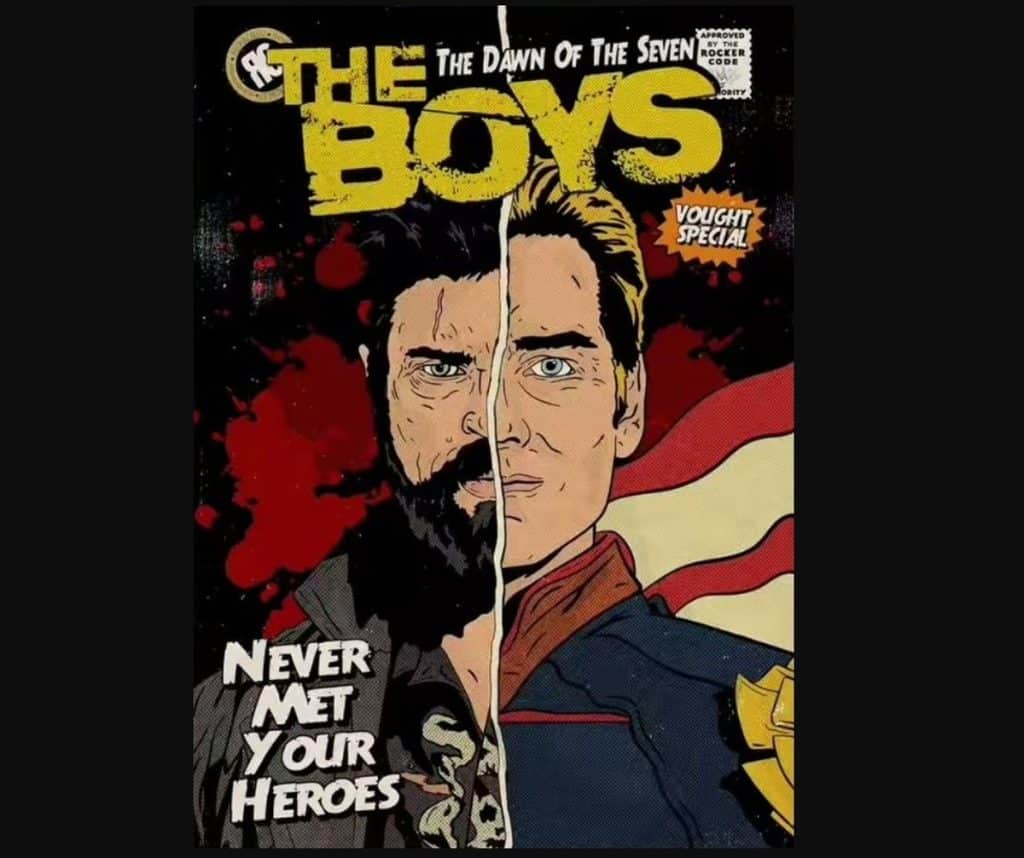
The Boys featured raw, bold covers like a bloodied Homelander or Butcher’s intense stare that captured its dark, subversive tone
These weren’t just for flair; they turned comic book covers into collectable art. If you're also planning your first print run, it helps to know how much it costs to print a comic book so you can budget smartly.
The Modern era brought forward some of the best comic book covers for collectors and casual fans alike, showing how format, texture, and artistry could create lasting impact.
5. Minimalist & Experimental Covers of the Digital Era
In the Digital Era, comic book covers have taken a fresh turn, leaning into minimalism, bold design choices, and more artistic storytelling. Heroes like Batman, Wolverine, and others from the Marvel universe now appear on covers that break away from traditional comic art styles.
One standout example is John Cassaday’s Astonishing X-Men #17, where Wolverine is surrounded by stark white space. This subtle design is among the most iconic comic book covers of modern times.
If you're curious how comics are created from scratch in today’s world, here’s how comic books are made, from concept to cover.
As digital media expands through gaming and streaming, comic covers are evolving to stay relevant. These modern covers whisper instead of shout, proving that even today, classic comic book covers can be redefined.
How Can You Design a Comic Book Cover That Stands Out?
A comic book cover is more than just the first page, it’s the hook that draws a reader in. Whether you're crafting the next cult classic or an indie gem, here are some pro tips to help your cover stand tall among the best comic book covers:
1. What Paper Works Best for Comic Book Covers?
The quality of your paper plays a big role in how your cover looks and feels. For most comic books, cardstock is a popular choice. It’s thicker than regular paper and offers durability while still being cost-effective.
Glossy paper adds shine and makes colors pop, which is perfect for high-energy, action-packed comics. Matte paper gives a more muted, classy look, ideal for darker or more serious storylines. Some creators even go for textured paper to add depth and uniqueness.
Great cover art is what stops someone in their tracks. Strong visuals like dynamic poses, bold color schemes, and high contrast can instantly communicate the vibe of your story.
Use focal points, bold colors, and layered composition. Think about Superman’s chest emblem or Wolverine’s claws, these iconic comic book covers stay etched in memory. If you’re working with an artist, make sure the cover reflects a powerful moment or the emotion of the issue.
Tip: Study classic covers by legends like Jack Kirby or modern graphic styles from indie comics. See how they use space and color to lead the eye.
3. How Should You Plan the Layout?
Let your layout guide the eye. Position titles, names, and issue numbers with care. Keep the spotlight on your characters and scene, just like many classic comic book covers do. Your title, subtitle (if any), issue number, and author or illustrator credits should be easy to find but not overpower the artwork.
Use visual hierarchy. Make the title the most prominent, followed by character artwork, and then the smaller details. Keep things balanced. Too much text or too many visual elements can feel cluttered.
4. Which Cover Finish Should You Go For?
The finish you choose affects how the artwork looks once printed. Here are the common options:
Gloss Finish: Reflective and bright. It enhances vibrant colors and sharp lines, ideal for superhero comics and action themes.
Matte Finish: Smooth and non-glossy. It adds a more artistic or dramatic tone, great for mystery, noir, or introspective comics.
Spot UV or Foil Accents: Adds shine to specific areas like the title or logo, giving the cover a premium, collectible feel.
Tip: Ask for print samples to see how your artwork looks with different finishes before you commit.
Have questions about foil, UV, or finishes? Our team is always here — reach out to us directly and we’ll guide you through the options.
5. What Binding Is Right for Your Comic?
Binding doesn’t just hold the book together, it affects how the cover and pages sit and how durable the comic is over time.
Saddle Stitch (stapled): Best for thin comics, up to 60 pages. It’s cost-effective and common.
Perfect Binding (glued spine): Offers a more professional look, better for longer or collector’s editions.
Square-bound Saddle Stitch: A hybrid that looks premium but works for shorter books too.
6. Pick the Best Size and Format
The standard comic book size (6.625" x 10.25") is a safe bet. It fits display racks and collector boxes. But experimenting with size can make your comic stand out:
Oversized Formats: Highlight detailed artwork or offer a “deluxe” experience.
Mini Comics or Square Formats: Quirky and fun for niche or indie storytelling.
Webtoon-style Vertical Comics: Great for digital releases.
Standard sizes work best for collectors. But if you want to stand out, oversized or mini formats are great comic book covers ideas for indie creators.
Tip: If you're going to print your comic, always check with your printer first to see which sizes are most cost-effective or compatible with their machines.
How Can You Bring Your Comic to Life With Ex Why Zed?
A striking comic book cover deserves equally impressive print — and that’s where Ex Why Zed delivers. Trusted by thousands of creators, we offer high-quality comic printing with vibrant colors, sharp detail, and premium finishes like gloss, matte, spot UV, and foil.
Whether you’re printing a one-shot zine or a collector’s edition, our expert team guides you through every step from file setup to choosing the best binding and paper.
Now that you’ve done the hard part, let us handle the print. Request a quoteand see how your comic can shine with professional production.
Final Words
Comic book covers have always reflected the spirit of their time, from the bold action of the Golden Age to today’s digital designs. More than just eye-catching art, they open doors to new worlds, spark imagination, and shape pop culture.
So whether you’re a fan, a collector, or a creator, never overlook the power of a great cover — because the next iconic comic book cover might just be yours.
Frequently Asked Questions
What makes a comic book cover iconic?
Iconic comic book covers really show off their hero and the time they come from. You can see this with Captain America when he hits Hitler, or when Batman sits brooding on top of a gargoyle. These covers mix strong pictures with things from that time, so people remember them. Marvel is known for many of these covers, like ones for Thor or the ones that show Wolverine’s wild strength.
How have comic book covers influenced pop culture?
Comic covers have played a big part in pop culture. They help make heroes like Superman and Batman into powerful symbols. These covers from Marvel and DC have a long history. Some show Spider-Man as Peter Parker looking inward through art. Many comic covers like these have started new movies, merchandise, and even big shared worlds. This has pulled people from all over the world in and made them fans.
Are variant covers worth collecting?
Variant covers give people more choices, letting them see different art styles on their favorite comics. These covers might show Wolverine in new scenes or give a fresh look to Thor's famous poses. Comic makers like Marvel and DC turn these covers into special art that many want. Since there are only a few of each cover, they can be worth good money when people sell them later.
Who are some legendary comic book cover artists?
Creators such as Jack Kirby helped change how people tell stories with pictures for Marvel and DC. Kirby worked on Captain America, and the art stands out even today. Steve Ditko also made strong artwork for Superman and Batman. These people made comic covers so special that many still remember them. They helped shape the way we see comics now.