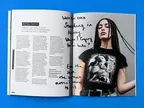
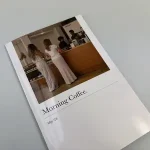
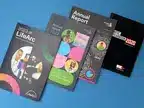
➡️ Staple binding, or saddle stitching, folds sheets and secures them with staples through the spine for a quick, affordable booklet. It works best for magazines, zines, brochures, event programs, and manuals with 8–64 pages. However, saddle stitch is not possible for books with a hard cover, as the staple and folding method cannot properly secure rigid materials; it is designed for flexible paper stocks rather than hardcover binding.
➡️ It works best for magazines, zines, brochures, event programs, and manuals with 8–64 pages.
➡️ Required tools include paper, optional cardstock cover, stapler, staples, ruler, pencil, and a flat surface.
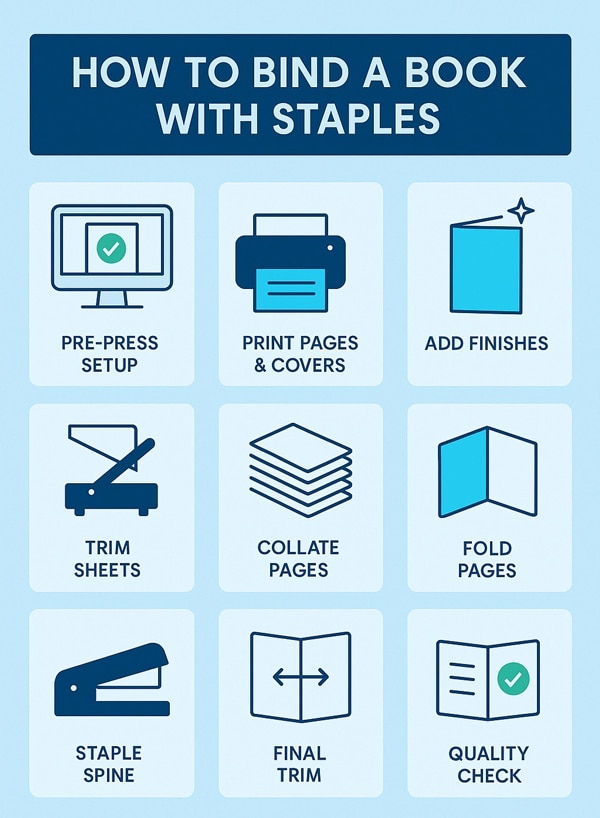
➡️ The process involves preparing print-ready files, printing, adding finishes, trimming, collating, folding, stapling, trimming edges, and final quality checks.
➡️ Staple binding is not suitable for thick books, as spines can bulge and pages may misalign.
➡️ Ex Why Zed produces sharp, professional stapled booklets with fast turnaround and flexible order sizes.
You don’t always need fancy tools or expensive techniques to make a booklet that looks great. Sometimes, a few staples are all it takes. Staple binding, also called saddle stitching, is one of the easiest ways to turn a stack of loose pages into something polished and professional.
You don’t always need fancy tools or expensive techniques to make a booklet that looks great. Sometimes, a few staples are all it takes. Staple binding, also called saddle stitching, is one of the easiest ways to turn a stack of loose pages into something polished and professional. However, saddle stitch binding is generally best suited for thin booklets with fewer pages, as staples may not securely hold very thick books. For thicker publications, other binding methods are usually recommended.
Whether you’re putting together a zine, a brochure, or a simple programme, this method is affordable, quick, and perfect for smaller projects. In this guide, we’ll walk you through how to staple bind a book, why it works, and why so many creators and businesses still love it.
Is Stapling the Same as Saddle Stitching?
Yes! Staple binding, often called saddle stitching, is a straightforward bookbinding technique. To create it, sheets of paper are folded in half, placed together over a “saddle” (a V-shaped holder), and fastened with staples through the crease. This secures the pages at the spine without the need for glue or complex machinery. However, staple binding is generally not suitable for books with a hard cover, as the method is designed for soft covers and thinner booklets. Hard covers are too rigid for staples to penetrate and do not allow the booklet to lay flat for stapling.
The method is named after the “saddle” used during production, not the staples themselves. Because the staples go right through the fold, the number of pages open easily and lie relatively flat, making it convenient for quick reference and casual reading.
Unlike perfect binding (which uses glue) or wire-o binding (which uses coils), staple binding is purely mechanical and fast to produce.
So, when you ask, what is the easiest way to bind a book? For small projects, staple binding is hands down the fastest and most efficient method.
What Are Staple Bound Books Best For (and Where Do They Fall Short)?
Because of its practicality, staple binding shows up in all sorts of everyday materials:
Magazines and comic books – Lightweight and easy to flip through.
Event programs and playbills – Compact handouts for concerts, plays, and community events.
Marketing catalogs and brochures – Perfect for showcasing products without overspending on production.
Instructional manuals and zines – Straightforward, functional, and easy to distribute.
The Limitations You Should Know:
The one major drawback of staple binding lies in the page count. Staples need to pierce through folded sheets, which means thickness quickly becomes an issue. Generally, this method works best for booklets of 8 to 64 pages, though the exact limit depends on paper weight. Push beyond that, and you’ll end up with:
Pages that stick out unevenly (known as “page creep”)
An overall unpolished, unprofessional look
In short, staple-bound booklets shine when used for smaller, concise projects. But when your content grows larger, it’s better to switch to sturdier binding options like perfect bound or wire-o.
What Tools Do You Need To Staple Bind A Book?
Before you begin, set out everything you’ll need. Staple binding doesn’t require special equipment, just a few basic supplies:
Paper – Regular printer paper works fine. Use thicker sheets if you want more durability.
Cover sheet (optional) – A piece of cardstock or heavy paper gives your booklet a more professional finish.
Stapler – A long reach stapler is easiest, but you can also use a regular stapler with a soft surface like cardboard underneath.
Staples – Standard ones are usually enough, but use longer staples if your booklet is thick.
Ruler and pencil – Helpful for marking even staple positions.
Flat surface – A sturdy desk or table keeps everything aligned while you work.
Once these are ready, you can move straight into the binding process.
How To Bind A Book With Staples Step by Step?
Staple binding might look straightforward from the outside, but each booklet goes through a carefully managed process to ensure it looks sharp, feels professional, and holds together securely. So, if you're looking for an easy way to bind your own book, here’s a clear breakdown:
1. Get Your Artwork Print-Ready (Pre-Press)
Every book starts long before it touches a press. In the pre-press stage, the design files are checked thoroughly by the print team. This isn’t just about catching typos, it’s about ensuring the file is technically correct for printing.
File checks: margins, bleed (the area that gets trimmed away), image resolution, and color settings.
Page sequencing: The pages are laid out into signatures, sets of four pages printed together on one sheet. This ensures that when the sheet is folded later, the pages appear in the correct reading order.
Proofing: Often, a digital or physical proof is created so you can see exactly how the booklet will look before the full run begins.
Many creators wonder, “How are stapled books printed?” This step makes sure everything is ready for production. This step is crucial. Also, if anything is wrong here, it will carry through the entire production process
2. Bring Designs To Life With High-Quality Printing
With the files approved, printing begins. Large sheets of paper are fed through advanced machines like nanographic, litho, or digital presses. These machines print multiple pages on one large sheet, imagine a giant poster with your booklet pages laid out like a puzzle.
Inner pages and covers are usually printed separately, unless you’re using the same stock for both (called “self-cover”).
Bulk efficiency: Printing on large press sheets makes the process more efficient, as many pages can be produced at once before being cut down.
Example: A 36-page booklet will be printed as 32 inside pages plus a 4-page cover. This stage is where your design transforms from a digital file into something tangible.
If you’re creating something more specialised, such as storybooks or educational booklets, you may want to explore different binding styles for children’s books to ensure the right balance of strength and presentation.
3. Add Finishes That Elevate the Look
Once the sheets are printed, they can be enhanced with finishes. These optional steps are about both function and style:
Lamination: A thin plastic film (matte, gloss, or soft-touch) is applied to the cover. This protects the print from wear and gives it a professional look.
Spot UV and Foil: Specialised finishing machines can apply glossy highlights (spot UV) or metallic foils to specific areas. This technique is perfect for titles, logos, or patterns that need to stand out.
Finishes make your booklet more durable, eye-catching, and suited for premium projects like event programmes or product catalogues.
4. Trim Sheets For A Smooth Binding Process
The large printed sheets are then trimmed down to a manageable size. At this stage, an extra margin (usually about 3mm) is left because the final trim happens after stapling.
This preliminary cut ensures the sheets fit smoothly into the binding machines without jamming, while still leaving room for adjustments later.
5. Collate Pages Into Perfect Order
This is where the booklet starts to take shape. In a collator machine, each section of the booklet is placed into its own bin. The machine pulls one sheet from each bin and stacks them in the correct order, just like dealing a perfectly ordered deck of cards.
Automation: Modern collators can handle high volumes quickly and accurately.
Accuracy: If one page is missed, the whole booklet is out of order, so quality checks are essential here.
By the end of this step, you have a complete set of pages stacked in the right sequence, ready to be folded.
6. Fold Neatly To Create The Booklet Shape
The stacked sheets are fed into a folder, where they are folded neatly in half down the centre. This fold creates the spine of the booklet.
Precision folding ensures the edges of the pages line up perfectly.
A poorly folded booklet can look uneven, with inner pages sticking out past the cover.
At this point, your project already resembles a booklet, but without binding, it’s still just a folded stack of paper.
7. Secure The Spine With Custom Staples
This is the stage that gives the method its name: saddle stitch. The folded booklets are placed on a saddle-shaped guide in the stitching machine.
Custom-made staples: Instead of using pre-cut staples, a continuous roll of wire is fed into the machine. Each staple is cut to the exact size needed, based on the booklet’s thickness and paper type.
Strong and secure: The staple is pushed through the folded spine, piercing all the pages, and then clinched tight inside the centrefold.
This process ensures that the staples grip firmly without damaging the paper, even if the booklet is relatively thick.
8. Trim The Edges For A Professional Finish
After stapling, the booklet is still slightly uneven at the edges. To finish, it goes through a three-knife trimmer:
The top, bottom, and outer edges are cut cleanly.
The spine is left untouched to preserve the staples.
This gives the booklet a sharp, professional finish with perfectly aligned pages.
9. Final Checks Before Your Booklets Ship
Before leaving the factory, every batch of booklets goes through a quality control stage. Here’s what’s checked:
Page order is correct
Images and text are aligned properly
Staples are secure and even
Final size matches the order specifications
Once approved, the booklets are carefully packed and prepared for shipping.
The Result: What you receive is a neat, lightweight, and professional booklet that’s easy to open, easy to distribute, and cost-effective to produce. Whether it’s a brochure, a magazine, or a catalogue, stapled binding offers the perfect balance of simplicity and quality.
Why Choose Ex Why Zed For Staple Binding?
At Ex Why Zed, we take pride in producing stapled booklets that are sharp, professional, and cost-effective. Whether you need a zine, brochure, catalogue, or event program, we’ll make sure every copy is finished to the highest standard.
Here’s what you can expect from us:
A wide choice of sizes, paper stocks, and finishes to match your vision
Premium printing quality with vibrant colours and crisp detail
Fast turnaround times to meet even the tightest deadlines
Eco-friendly materials and processes as part of our commitment to sustainability
Flexible options for both short runs and large orders
We combine expertise with care, so your booklets don’t just look good, they make a lasting impression.
Ready to get started? Get a Quote today and let’s bring your booklet project to life.
Final Words
At the end of the day, staple binding is proof that simple really can be effective. You don’t need complicated tools or expensive processes to create something that feels polished and professional. A few well-placed staples turn loose pages into a booklet that people can flip through, keep, and actually enjoy.
Whether it’s a zine, a programme, or a catalogue, there’s something satisfying about holding a finished booklet in your hands. It’s quick, budget-friendly, and still manages to make an impact, which is why it’s a go-to choice for so many creators and businesses alike.
Frequently Asked Questions
Can you staple normal paper together to make a notebook?
Yes, you can easily turn plain sheets into a simple notebook using staples. Fold the papers in half or stack them neatly, then secure them along the spine. It’s a quick and affordable method for personal use, school projects, or small booklets.
Are there any creative techniques for staple binding a book for a more professional look?
Absolutely. You can use coloured or oversized staples, add a cardstock or patterned cover, or reinforce the spine with decorative tape. Combining these touches gives a more polished appearance while keeping the process simple and fast.
How does staple binding compare to other bookbinding methods in terms of durability and appearance?
Staple binding is ideal for short booklets and quick projects because it’s fast and cost-effective. However, it’s less durable than glue-based perfect binding or spiral binding, and the spine may not look as sleek. For larger books, other methods are better suited.
Is there any way to permanently bind a perfect bound book?
Yes, perfect bound books are glued along the spine using a strong adhesive, creating a durable and long-lasting finish. Unlike stapled booklets, the pages are secured permanently, giving a clean, professional look for larger projects.
What is side staple binding?
Side staple binding secures pages by placing staples along the edge of a stack rather than the center fold. It’s often used for reports, handouts, or smaller documents where folding isn’t needed, keeping the pages together neatly and efficiently.
Can I staple bind thick books, or is it only for thin booklets?
Staple binding is best suited for thin booklets. Due to the limited reach of staples, this type of binding works best for a page count under 64 pages. For thicker books, other methods like glue or spiral binding are more appropriate.
How do I make sure the pages are aligned perfectly before stapling?
To ensure perfect alignment, hold your stack of sheets of paper and tap the top and side edges on a flat surface. You can also use a ruler to check for squareness. Using clips to hold the pages together during the book binding process helps maintain alignment.
Are there tips for using a regular stapler for book binding at home?
Yes! Open your regular stapler to lie flat. Place your pages on a soft surface like a folded towel, press the stapler down firmly over the spine, and then manually fold the staple ends flat on the inside using a bone folder or ruler.
Can I decorate or reinforce a staple-bound book for durability?
Absolutely. You can use decorative cardstock or even fabric for the paperback cover. To reinforce the spine, you can apply a strip of decorative book tape or washi tape over the staples on the outside, which adds both strength and a creative touch.
Can I staple bind a book with a hard cover?
While staple binding is a great choice for softcover books and smaller projects, it is generally not suitable for books with a hard cover. The thickness and rigidity of hard covers make it difficult for standard staplers to penetrate and securely hold the pages together. For hard cover books, other binding methods like case binding or perfect binding are typically recommended.
Rather we printed it properly?
Your project deserves better than a home printer.
You've got the know-how — now let us do it for you. From first zines to 500-copy hardbacks, we've printed it all since 2006: beautifully bound, every file checked by a real person, and delivered on your deadline.