


Why Choose Saddle Stitch Binding? Benefits & Expert Tips

Key Highlights
- Saddle stitch binding is a cost-effective, efficient choice for small print runs.
- The binding method uses folded sheets secured by wire staples along the central crease.
- It works best for documents with fewer than 64 pages, such as brochures and comic books.
- Saddle stitch binding offers a clean, professional look without the need for adhesives.
- The process ensures quick turnaround times, making it ideal for urgent projects.
- This method allows printed materials to lie flat, enhancing readability and usability.
- Saddle stitch binding is perfect for budget-conscious creators needing fast, professional results.
- Ex Why Zed offers expert guidance, quick turnaround, and eco-friendly materials for saddle stitch binding.
When it comes to printing projects, one of the biggest challenges is choosing the right binding method. You want your printed materials, whether it's a brochure, magazine, or event programme, to look polished and professional, but at a price that fits within your budget. The wrong binding choice can compromise the overall quality, or worse, exceed your project's financial limits.
Saddle stitch binding is often overlooked, yet it is one of the most cost-effective and functional binding methods. It's perfect for smaller page-count documents, providing a sleek finish without the high costs of other binding techniques. But understanding when saddle stitching is appropriate and how to get the best out of it can make all the difference in the final result.
This blog will break down everything you need to know about saddle stitch binding, from its benefits to the best use cases, helping you make the right choice for your project. Let's dive into why saddle stitch binding could be the smart solution you've been looking for!
What is Saddle Stitch Binding?

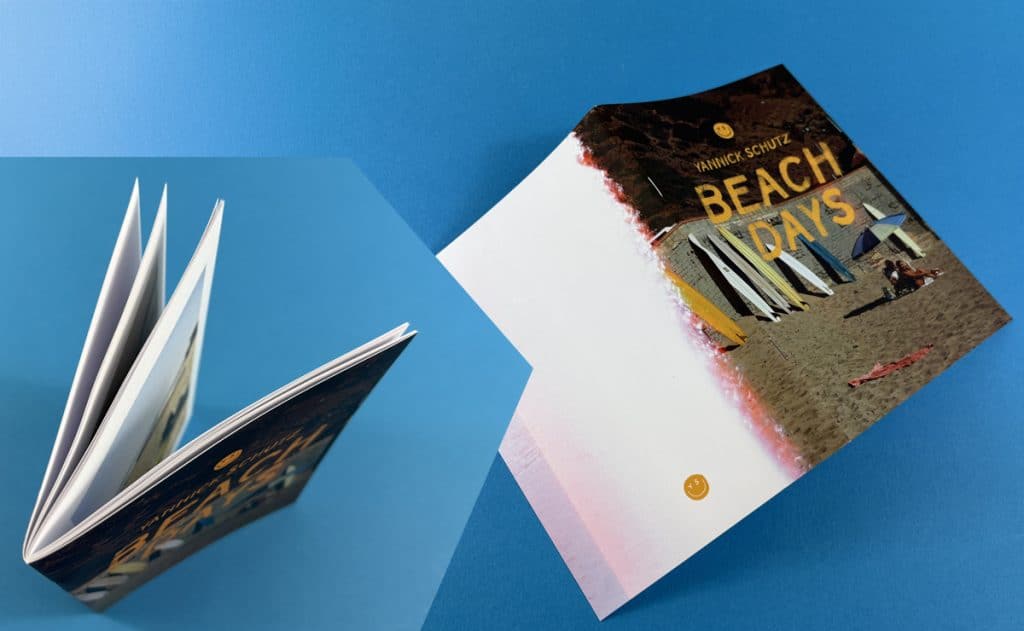
Saddle stitch binding is a simple yet effective method used to bind booklets, brochures, and other printed materials. It involves folding sheets of paper in half and stacking them inside one another, forming a booklet. The sheets are then stapled along the centrefold, creating a secure and neat spine.
The name "saddle stitch" comes from the way the folded sheets are placed over a saddle-like fixture during the binding process. Wire staples are then driven through the fold and clinched, ensuring the pages stay firmly in place. This method provides a clean, flat spine and allows the book to open fully, which is ideal for projects that require easy readability.
What is the Difference Between Saddle Stitch and Perfect Binding?
When deciding between saddle stitch and perfect binding, it's important to understand the distinct characteristics of each method. Both offer professional finishes, but they are better suited for different types of projects. The choice often depends on the document's page count, durability needs, and desired aesthetic.
To help clarify the differences, here's a comparison table:
| Feature | Saddle Stitch Binding | Perfect Binding |
|---|---|---|
| Binding Process | Pages are folded and stapled along the centrefold. | Pages are stacked, glued along the spine, and attached to a flexible cover. |
| Best For | Small to medium-sized booklets with fewer pages. | Larger books, manuals, or catalogues with more pages. |
| Page Count | Suitable for 64 pages or fewer. | Ideal for documents with 40-60 pages or more. |
| Durability | Lightweight, but may not last as long with frequent use. | Offers stronger durability for long-term storage and handling. |
| Appearance | Simple, clean finish, but lacks a spine for printing. | Sleek, professional finish with a printable spine. |
| Cost | More cost-effective, especially for smaller runs. | Higher cost due to adhesive and additional steps. |
What are the Advantages of Saddle Stitch Binding?

Saddle stitch binding is a simple, efficient, and affordable way to bind documents. Whether for business or personal use, this method offers a range of benefits that can suit many projects. Let's dive into the advantages of choosing saddle stitch binding.
Here are the main advantages:
- Cost-Effective: Saddle stitch binding uses fewer materials and less labour, making it one of the most budget-friendly options available. This is especially advantageous for smaller print runs, where you can achieve professional results at a lower cost.
- Quick Turnaround: The process is simple, which means projects are completed quickly. If you're working with a tight deadline, saddle stitch book binding is an excellent choice, offering faster production times compared to other methods.
- Lightweight: Books and brochures bound with saddle stitch are lightweight, making them easy to handle, ship, and distribute. Whether you're printing event programmes or company brochures, this method ensures your printed materials are portable and user-friendly.
- Professional Finish: Despite its simplicity, saddle stitch binding provides a clean and polished look, ideal for brochures, magazines, and small catalogues.
- Flat Lay Opening: Saddle stitch binding ensures that your booklets lay nearly flat when opened, making them perfect for workbooks, manuals, or guides. This functionality is ideal for publications that require easy handling and readability, especially for instructional content.
- Durability for Smaller Runs: While it's great for small to medium-sized runs, saddle stitch binding also provides lasting durability. With Ex Why Zed, you can trust that your short-run projects will withstand daily use without compromising on quality.
Ready to get started? Contact us today for a personalised quote and quick, professional saddle stitch binding for your next project!
What is the Maximum Page Limit for Saddle Stitch Binding?
When it comes to saddle stitch binding, the number of pages plays a crucial role in determining whether this method is suitable for your project. Saddle stitch is perfect for thinner booklets with fewer pages, typically ranging from 8 to 64 pages, depending on paper thickness.
However, as the page count increases past the saddle stitch binding maximum pages, the booklet may start to show signs of "creep," where the inner pages extend further out than the outer pages. This happens due to the folding process, which causes misalignment when too many pages are added.
What are the Essential Materials and Tools for Saddle Stitch Binding?

To create a successful saddle stitch binding, having the right materials and tools is crucial. Whether you're a beginner or experienced, choosing the right supplies ensures a smooth process and a professional final product. Let's take a look at the essentials.
Here's what you'll need:
- Printed Sheets of Paper: The primary material required for saddle stitch binding is your printed sheets. You'll need to arrange and fold these sheets precisely to create your booklet. Always ensure you choose high-quality paper for the best results, such as the options available at Ex Why Zed.
- Staples or Thread: For the binding itself, wire staples are the most common choice, but you can also use thread for a hand-bound finish. Wire staples are faster and more efficient, ideal for high-volume production, whereas sewing provides a handmade, artisanal touch.
- Long-Arm Stapler or Stapling Machine: A long-arm stapler is essential for stapling the pages along the centre fold. Alternatively, for larger volumes, a stapling machine or booklet maker can save time and effort, delivering a consistent finish.
- Bone Folder or Creasing Tool: A bone folder or creasing tool helps to fold the paper neatly and accurately, ensuring crisp, clean edges. This step is essential for creating a neat and professional-looking booklet.
- Awl or Hole Punch: If you're using the sewing method instead of stapling, a small hole punch or awl will help create precise holes along the spine of the book. This tool is essential for hand-binding projects, ensuring the pages align properly.
- Cover Material (Optional): If you're adding a cover to your project, select a durable material that complements your design. Ex Why Zed offers a variety of paper stocks, from standard to premium options, to give your booklets an extra touch of class.
How to Do Saddle Stitch Binding? A Step-by-Step Guide

Saddle stitch binding is a simple, cost-effective way to bind small to medium-sized booklets, magazines, and brochures. It's perfect for projects that require a quick turnaround and minimal equipment. Here's a step-by-step guide to help you get started.
Step 1: Prepare Your Pages and Cover
Arrange your pages in the correct order, folding each sheet in half to create a neat crease. If you're using a cover, fold it along with the interior pages to maintain alignment.
Step 2: Collate and Arrange
Once folded, stack your pages in the correct sequence, ensuring everything is aligned. Place the cover on top of the stack for a clean finish.
Step 3: Mark for Stapling or Sewing
Mark the spots where you'll staple or sew, ensuring they are evenly spaced along the spine. Use a ruler for accuracy and consistency.
Step 4: Staple or Sew the Pages
Use a long-arm stapler to staple through the centrefold or, for hand-binding, sew through the marked holes with strong thread. Make sure the binding is secure.
Step 5: Trim Excess Edges
Trim the edges of the booklet to ensure they are neat and even using a paper cutter or guillotine. This step is essential for a professional finish.
Step 6: Final Checks and Presentation
Inspect your finished booklet for any loose staples or uneven stitching, ensuring everything is securely bound. Your booklet is now ready for use or distribution!
For a professional, hassle-free finish, consider using Ex Why Zed's expert binding services. We'll ensure your project is completed with precision and speed. Contact us today to get started!
How Do You Get the Most Out of the Saddle Stitch Binding Method?

To get the best results from saddle stitch binding, planning and attention to detail are key. It's essential to think about page layout, paper thickness, and the overall finish. Here are some tips to help you maximise the effectiveness of the saddle stitch method:
- Arrange Pages in Correct Order: Since saddle stitch binding uses folded sheets, ensuring the pages are in the correct sequence before folding is crucial to avoid confusion during assembly.
- Use the Right Paper Weight: Choose a paper weight that fits the purpose of your booklet. Lighter weights (80gsm-120gsm) are best for smaller projects, while heavier weights (150gsm) work well for sturdier, more substantial booklets.
- Ensure Precise Folding: A sharp, neat fold is key to a clean binding. Using a bone folder helps achieve a professional finish, ensuring that the pages align perfectly when folded.
- Opt for Quality Staples: Strong, high-quality staples are essential for durability. Choose staples that can handle the thickness of your booklet to avoid breakage or loosening over time.
- Test Before Final Print: Printing a test copy before committing to your full print run allows you to check the quality, design, and layout, ensuring the final product meets your expectations.
When you choose Ex Why Zed for your saddle stitch binding printing projects, you get expert support and premium materials. Order a test copy today to fine-tune every detail before committing to your full print run.
What Are the Common Applications of Saddle Stitch Binding?

Saddle stitch binding is a versatile and popular booklet binding method, particularly suited for smaller publications. Its affordability and simple production process make it a go-to choice for various applications. Here's where saddle stitch binding is commonly used:
- Brochures and Pamphlets: Ideal for marketing materials, saddle stitch binding keeps brochures compact and easy to distribute while allowing them to lay flat for easy reading.
- Comic Books and Magazines: Perfect for publications that need to open flat, making it ideal for comic books and smaller magazines where a professional yet lightweight finish is desired.
- Event Programs: Whether for weddings, conferences, or performances, saddle stitch binding provides a cost-effective solution for programs that need to be produced quickly and distributed easily.
- Newsletters and Catalogues: This binding method is widely used for short-run newsletters and product catalogues that are easy to read and handle, often used in corporate and retail settings.
- Manuals and Workbooks: Saddle stitch binding is an excellent choice for creating easy-to-use workbooks and instructional manuals, providing a practical solution for educational materials.
Need saddle stitch binding for your next project? Order with Ex Why Zed for fast, professional results at competitive prices.
How Do You Choose the Right Binding Method for Your Project?
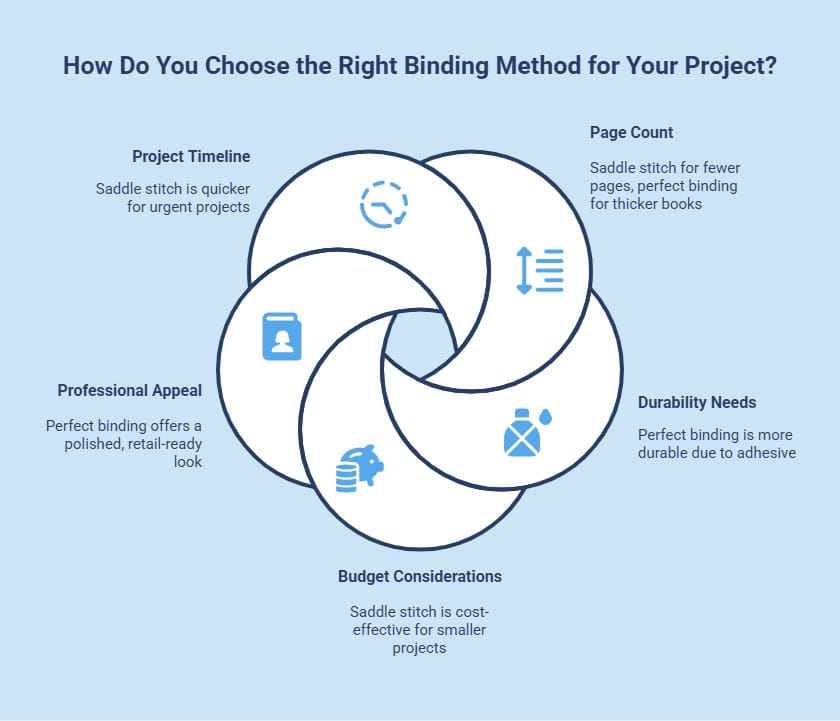
Selecting the right binding method is essential to ensure the final product aligns with your project's needs. The choice between saddle stitch, perfect binding, or other methods depends on various factors, such as page count, desired durability, and aesthetic appeal.
Here are key considerations to guide your decision:
- Page Count: Saddle stitch binding is ideal for projects with 64 pages or fewer, while perfect binding is better suited for thicker books. For smaller, lighter projects, saddle stitching is a cost-effective solution.
- Durability Needs: Perfect binding is typically more durable than saddle stitching due to the adhesive used to bind the pages together. If your project requires a long-lasting finish, perfect binding might be the better option.
- Budget Considerations: If you're working within a budget, saddle stitch binding offers a low-cost alternative without compromising on quality. It's perfect for shorter runs and smaller projects like brochures or event programmes.
- Professional Appeal: For books or catalogues that require a more polished, retail-ready look, perfect binding provides a sleek, professional finish with a printable spine. Saddle stitch is best for projects where functionality and affordability take precedence.
- Project Timeline: Saddle stitch binding offers a quicker turnaround time, making it ideal for urgent projects. If you're on a tight deadline, the simplicity of the saddle stitch method can save time and ensure timely delivery.
For expert advice on choosing the best binding method for your project, Ex Why Zed can help you make the right choice based on your specific needs and requirements. Get in touch today!
Why Choose Ex Why Zed for Saddle Stitch Binding Solutions?
Ex Why Zed is your trusted partner for high-quality saddle stitch binding in the UK. With years of experience, we specialise in producing professional and durable booklets, brochures, and more, tailored to your exact needs.
We pride ourselves on our quick turnaround, with most orders ready in just 3 to 4 working days. Whether it's a small batch or a large order, we ensure timely and efficient delivery without compromising quality.
Customer satisfaction is our priority, and we offer a range of customisation options, from finishes to eco-friendly materials. Ready to bring your project to life? Contact Ex Why Zed today for a personalised quote!
Conclusion
Saddle stitch binding offers a perfect balance of affordability and professionalism for smaller print projects. Whether you're looking to produce brochures, event programmes, or comic books, this method ensures quick turnaround times and a clean, functional finish. Its simple yet effective process makes it the ideal choice for those on a budget without compromising quality.
Ready to bring your next project to life with saddle stitch binding? Take the first step towards creating your custom booklets by exploring your options today.
Frequently Asked Questions
Can saddle stitch binding be done at home by beginners?
Yes, saddle stitch binding is beginner-friendly. With minimal tools such as a long-arm stapler or needle and thread, you can create professional-looking booklets at home. Ex Why Zed also offers expert services for a polished finish.
Are there different methods to create saddle stitch binding?
Saddle stitch binding can be done with wire staples or hand-sewn thread. While staples provide a quick and efficient finish, sewing gives a more artisanal, handmade look. Both methods deliver a clean, functional result.
When should I choose saddle stitch binding over other methods?
Saddle stitch binding is ideal for projects under 64 pages. It's the most cost-effective binding method, making it a great choice for lightweight booklets like brochures, workbooks, or event programmes that need quick, budget-friendly production.
What types of book projects use Saddle Stitch Binding?
Saddle stitch binding is versatile and commonly used for smaller projects such as brochures, comic books, catalogues, event programmes, and newsletters. It offers a professional finish without the cost of more complex methods.
How to saddle stitch bind a book?
To saddle stitch bind a book, first fold your pages and align them. Then, staple along the crease using a long-arm stapler or sew with needle and thread. Trim excess edges for a neat finish, ensuring a clean, professional look.
What are the cons of saddle stitch binding?
Saddle stitch binding has page limitations, typically suitable for documents with fewer than 64 pages. It's not ideal for thicker publications, as it can cause "creep," making the booklet less neat and potentially weakening the spine.