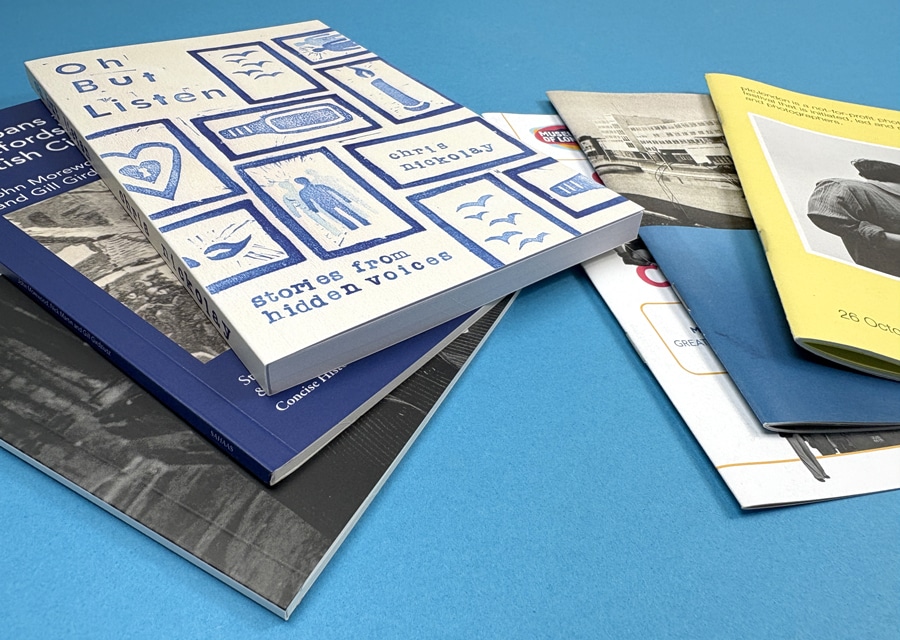
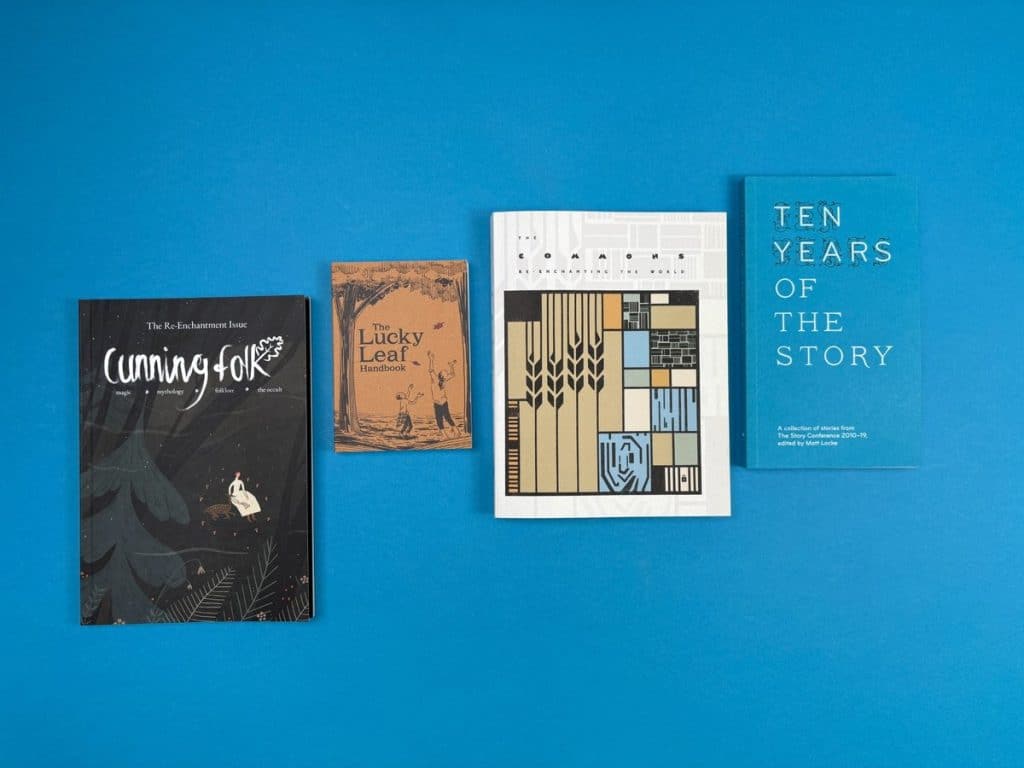
Paperbacks, also known as softcover books, are defined by their flexible paper or cardstock covers.
The paperback format comes in several types, primarily mass market paperback and the higher-quality trade paperbacks.
Their main advantages are affordability and portability, making them lighter and easier to carry than hardcovers.
The primary drawback of the paperback version is its lower durability compared to hardcover editions.
Paperbacks revolutionised the publishing world by making books more accessible to a wider audience.
The production process typically involves perfect binding, where pages are glued to the spine.
Ever felt like hardcovers are just too pricey or heavy to bother with?
That’s exactly why paperback books became a favourite. They’re light, easy to carry, and don’t cost a fortune, making reading feel effortless again.
For authors, that’s a win too. More readers can afford paperbacks, which means more sales and more people discovering your work.
Let’s look at why paperback books still outsell the rest, and why they’re here to stay.
What Is The Paperback Book?
Paperback books, also called softcover books, are a staple for readers everywhere. Their defining feature is the flexible cover, usually made from paperboard or heavy paper, which makes them much lighter than their hardcover counterparts. This design is not just about feel; it's a key reason for their success.
Key Features of Paperback Books
Important features of a paperback include:
A flexible cover made from cardstock or paperboard – gives the book a soft, bendable feel that’s easy to hold and slip into any bag.
Lightweight and portable design – perfect for readers on the go; you can take it anywhere without the bulk of a hardcover.
Perfectly bound with glue – creates a clean, professional look while keeping costs low for both publishers and readers.
Smaller and compact than hardcovers – saves shelf space and makes reading comfortable, whether you’re at home, travelling, or commuting.
Common Uses and Occasions for Paperbacks
You can find definitions and examples of paperbacks just about anywhere, as they are used for a huge variety of publications. Here are some common uses for paperbacks:
Mass-produced fiction novels are often printed as paperbacks because they’re affordable to produce, easy to distribute, and convenient for readers to carry anywhere.
Educational books and academic texts are commonly published in paperback form since they’re cheaper and lighter, making them easier for students to handle and replace if needed.
University prospectuses and company guides often use a paperback-style format to present information professionally while keeping printing costs low.
Reprints of books originally released in hardback are usually offered as paperbacks to reach more readers at a lower price, extending the book’s lifespan and accessibility.
What Are the Types of Paperback Books?
Not all paperbacks are created equal. When you browse a bookstore, you might notice that some softcover books are small and compact, while others are larger and feel more substantial. These differences often indicate the type of paperback format you are holding.
1. Mass-Market Paperbacks
The mass-market paperback is the most common and affordable type you’ll find. As the name suggests, these books are designed for wide distribution and are printed in larger quantities to keep the price as low as possible.
They are typically small in size, around 4.25" x 6.87" (10.8 cm x 17.5 cm), making them perfect for slipping into a bag or pocket for reading on the go. These books are sometimes referred to as "airport novels" because they make ideal companions for travel.
2. B-Format Paperbacks
Within the publishing world, paperbacks come in a range of standard sizes, each serving a different purpose. One of the most common is the B-format, a mid-sized paperback (around 5" x 7.75") widely used in the UK, Europe, and other international markets.
It’s a favourite among fiction and trade publishers because it offers a balance between portability and readability, easy to carry, yet large enough for comfortable text and attractive cover designs.
3. Trade Paperbacks
Trade paperbacks offer a step up in quality from their mass-market cousins. They’re usually larger in size, around 6" x 9" (15.2 cm x 22.9 cm), often matching the dimensions of the hardcover edition and are printed on better, more durable paper. Because of these improvements, trade paperbacks come with a higher price than mass-market editions.
4. Trade Comics
Trade comics, also known as trade paperbacks, are the standard format for collecting and reading graphic novels and comics. They usually measure around 6.63" x 10.25" (16.8 cm x 26 cm) and compile several individual comic book issues into a single volume, making it easier for readers to enjoy a complete story arc in one place.
Making a paperback book might look simple from the outside, but there’s a lot of care behind it. The process is designed to keep things affordable and efficient while making sure every book feels sturdy in your hands, looks good, and is easy to read.
Step 1: Printing the Inner Pages
The process begins with printing the book’s interior pages. For large print runs, publishers typically use offset lithographic printing, which transfers ink from metal plates to paper, ensuring consistent quality and sharp text.
For smaller or print-on-demand orders, digital printing is often used because it’s faster and more cost-effective for short quantities.
Step 2: Cutting and Collating the Pages
Once printed, the sheets are cut to the correct trim size and stacked in the right page order to form what’s known as a “book block.” This step requires precision so that the final pages line up cleanly when bound together.
Step 3: Creating and Printing the Cover
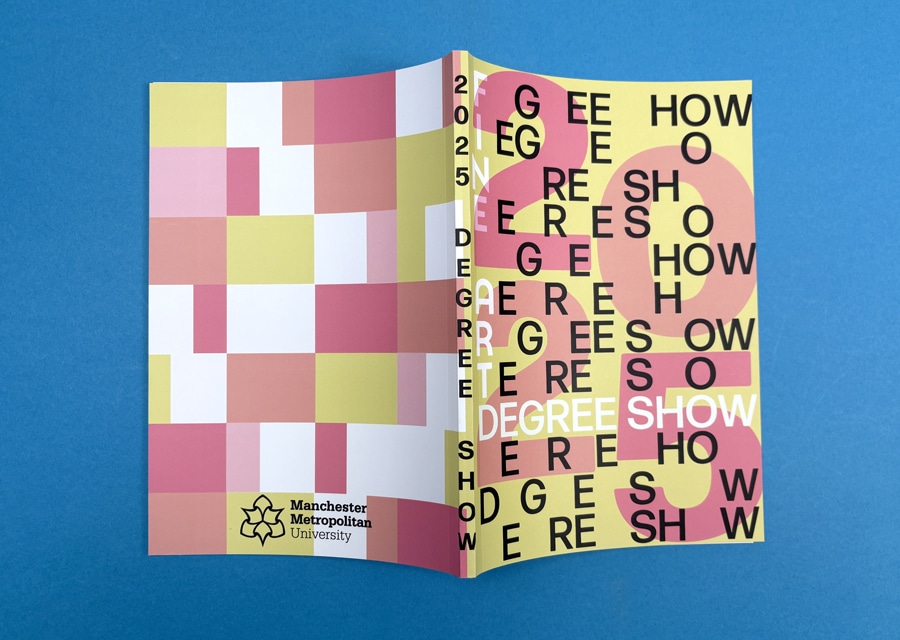
The cover gives a paperback its recognisable look and feel. It’s typically printed on heavier paper or cardstock, then trimmed to wrap perfectly around the book block. Publishers often apply a matte or gloss lamination for extra protection and a polished finish.
Step 4: Binding the Book
Most paperbacks use perfect binding, where the pages are glued together along the spine using a strong, flexible adhesive. Once the glue dries, the cover is attached to the book block, creating a smooth spine and professional appearance. The image below shows both perfect bound and staple bound paperback books.
Step 5: Trimming and Finishing Touches
After binding, the entire book is trimmed on three sides to ensure clean, even edges. Some publishers may add UV coating, embossing, or spot finishes to enhance the cover’s look and durability before the book is packed and shipped.
Materials Used in Paperback Books
Paperback books are made using materials chosen for flexibility, cost-effectiveness, and comfort while reading.
The cover is made from cardstock or thick paper, flexible enough to bend but sturdy enough to protect the pages. Some covers have lamination or a UV coating to resist wear and tear.
The inner pages are printed on various types of paper stock, typically uncoated or lightly coated for easy reading. The paper’s thickness can vary depending on the book’s purpose, thinner for novels, thicker for illustrated works.
Finally, the binding adhesive plays a crucial role in holding everything together. Modern bookbinding uses strong, heat-resistant glue that keeps pages secure while allowing the spine to flex during use.
What Are the Pros and Cons of Choosing Paperback Books?
Are you deciding between a hardcover and a paperback for your next read? Or maybe for publishing your own novel? Here’s what you should consider.
Advantages of Paperbacks
The advantages of paperbacks include:
Affordable: Paperbacks are cheaper to produce and buy, making books more accessible to a wider audience. This affordability allows readers to explore more titles without breaking the bank.
Lightweight and portable: Their compact size and flexible cover make paperbacks easy to carry anywhere — perfect for commutes, travel, or reading on the go.
Widely available: As the most common book format, paperbacks dominate shelves in bookstores, airports, and online stores, making them easy for readers to find and buy.
Comfortable to hold: The soft, bendable cover and lighter weight make them easier to handle during long reading sessions compared to heavier hardcovers.
Ideal for reprints: Publishers often release paperback editions after a hardcover launch to reach a broader market at a lower price, keeping books in circulation longer.
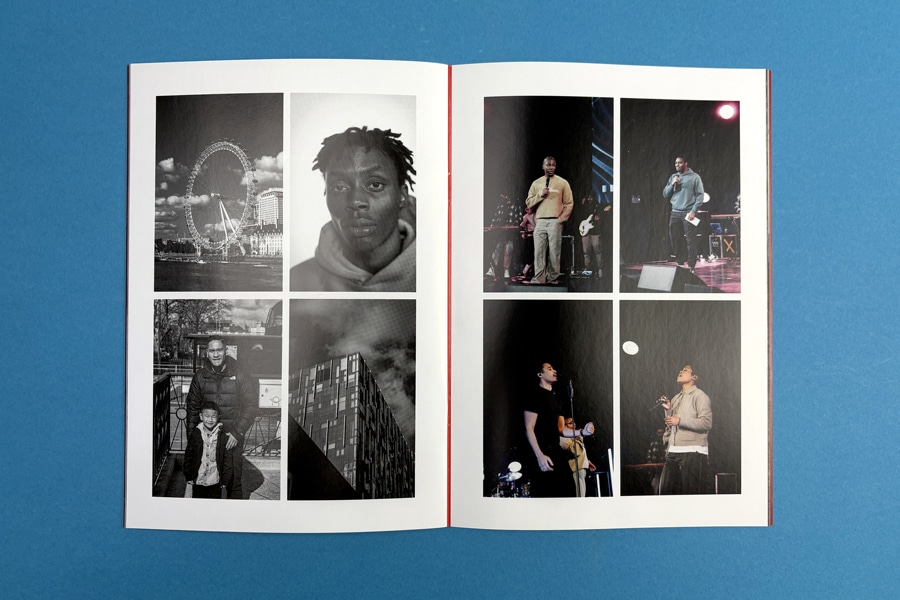
Staple bound booklets open completely flat allowing the reader to digest the full width of a double-page spreads.
Disadvantages of Paperbacks
The limitations of paperbacks include:
Less durable: Paperbacks wear out more easily than hardcovers. The covers can bend or tear, and pages are more likely to crease or fold over time.
Minimal protection: The thinner cover provides less protection for the inner pages, which can be damaged by moisture or rough handling.
Spines can weaken: With frequent use, glued spines may crack or pages may loosen, especially in thicker books.
Lower perceived value: Paperbacks are sometimes seen as less collectable or prestigious than hardbacks, which are often chosen for gifts or special editions.
Not built for longevity: They’re great for everyday reading but not ideal for long-term storage, libraries, or collectors who want books to maintain their condition over decades.
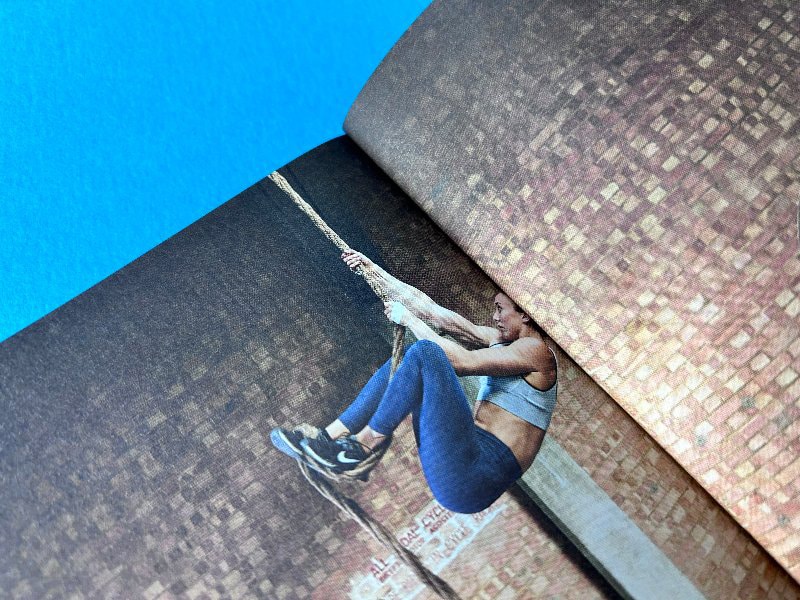
Pro Tip - Watch out for the spine gutter when designing your Perfect Bound Paper Back Book
One of the biggest drawbacks of perfect bound paperbacks is the restricted spine gutter, which can make the innermost part of the page difficult to view when the book is opened. Because pages are glued together at the spine rather than sewn, the book doesn’t naturally lay flat, causing artwork, text, or margin content to disappear into the curve of the spine. Over time, repeated pressure on the gutter can weaken the adhesive, leading to cracked spines or loosening pages. This issue is especially noticeable in thicker paperbacks and heavily illustrated books, where full-bleed imagery or captions close to the inner margin can be partially obscured. For designers, it means planning layouts carefully with generous inner margins — and for readers, it can occasionally make long reading sessions less comfortable.
Heads and important content, like text, should be kept out of this area. Below is an example of a book which had a lady's face too close to the spine gutter.
How Much Does It Cost to Print Paperback Books in the UK?
In the UK, printing paperbacks costs a lot less than printing hardcovers, and you can see that difference in the price tag. A brand-new hardcover might sell for £12 to £50, while the paperback version that comes out later could be around £6 to £10. That big gap comes down to one thing: paperbacks are much cheaper to make, especially when printed in bulk.
A few key things affect how much it actually costs to print a paperback:
1. Print quantity
The more books you print at once, the cheaper each copy becomes. Big print runs spread out the setup costs, while smaller runs or print-on-demand books cost more per copy.
2. Paper quality
The type of paper you choose makes a big difference. Thicker, high-end paper looks and feels great but costs more. Many publishers use lighter or recycled paper to keep prices down while still offering a good reading experience.
3. Binding and cover finish
Paperbacks use perfect binding, and the pages are glued together at the spine. It’s much simpler (and cheaper) than the stitched or board-based method used for hardcovers. Adding extras like lamination, embossing, or foil details can raise the price a little, but they also make the book look more polished.
4. Book size and design
Bigger books, more pages, or full-colour interiors all increase printing costs. A short black-and-white novel is going to cost far less to produce than a large, illustrated art book.
5. Shipping and handling
Even after printing, there are other costs like packaging and transport. Since paperbacks are lighter, they’re cheaper to ship and easier to store, another reason publishers love them.
In short, paperbacks are popular because they’re budget-friendly to make and easy to sell. They cut down on materials, production time, and shipping costs, making books more affordable for everyone, from publishers to everyday readers.
Why Choose Ex Why Zed for Your Printing Needs?
At Ex Why Zed, we use top-of-the-line printing technology to ensure every book meets the highest standards of quality, from crisp text to vibrant cover art. Your paperback will have the professional polish it needs to stand out.
Publishers release books in paperback format to reach a wider audience, and choosing the right printing partner is key to success. When it's time to bring your own book to life, you need a service that guarantees quality and provides outstanding support.
We offer a wide range of customisation options, from paper types to cover finishes, allowing you to create the perfect book for your vision and budget. Our digital printing capabilities are ideal for both small and large runs, giving you flexibility.
Paperback books offer a unique blend of affordability, portability, and accessibility that makes them a popular choice for readers everywhere.
While they may not be as durable as hardcovers, their advantages often outweigh the drawbacks, making them a versatile option for anyone looking to dive into the literary world.
Frequently Asked Questions
Where can I buy cheap paperback books?
You can buy cheap paperback books from online retailers like Amazon, Book Depository, or local bookstores. Discount stores, secondhand shops, and library sales are also great places to find affordable editions.
What are the latest paperback books available right now?
The latest paperback books are often newly released softcover editions of bestselling titles. Publishers usually release paperbacks months after hardcover editions, giving readers a more affordable, accessible option to enjoy.
Why do publishers release books in paperback format?
Publishers release books in the paperback format primarily to reach a wider, mass-market audience. The lower cost of production translates to a more affordable retail price, increasing the book's accessibility. This strategy often follows a hardcover release, allowing publishers to maximise sales by catering to different consumer budgets.
What is the history of paperback books?
Paperbacks emerged in the 19th century, but they were popularised in the 1930s by publishers like Albatross Books in Germany and Penguin Books, founded by Allen Lane in Britain. They revolutionised publishing with affordable, high-quality books. In the U.S., initiatives like the Armed Services Editions during WWII cemented their popularity.
What are different binding methods of paperback book?
The most common binding method for a paperback book is perfect bound. This process involves stacking the printed pages and applying a strong, flexible glue to the spine. The paper cover is then wrapped around the pages and adhered to the glue, creating a flat spine and a durable, flexible book.
Can you explain the difference between novels and paperbacks?
A novel is a type of book, a long, fictional story. A paperback is a format, books with soft covers, often cheaper and lighter, and can include novels or other genres.
Can you put paperback books in recycling?
Yes, most paperback books can be recycled because they’re made of paper. However, remove non-paper elements like plastic coatings, spiral bindings, or laminated covers before recycling to ensure proper processing.