


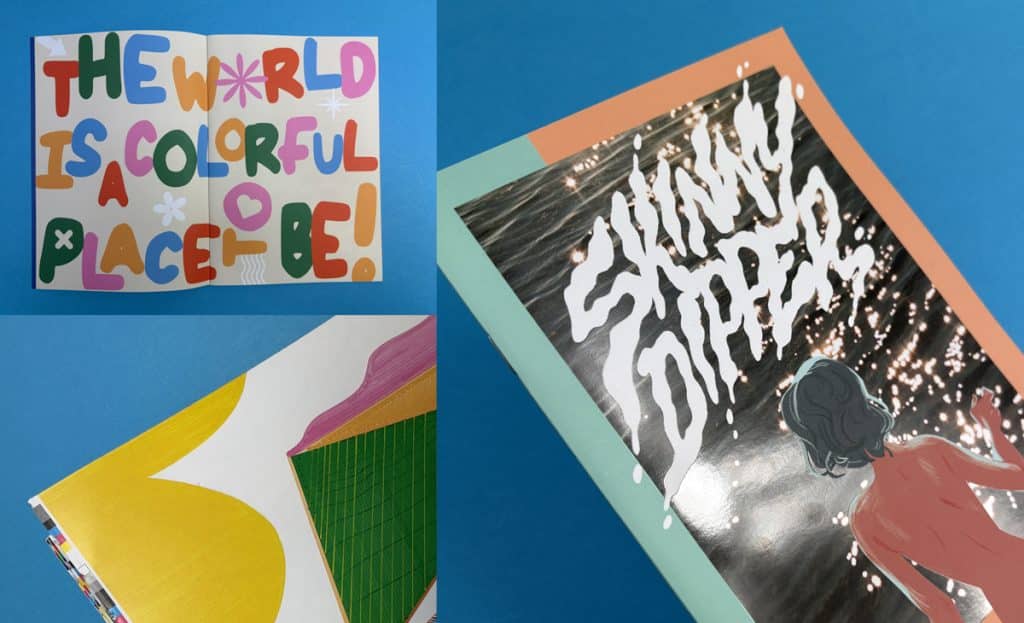
Comics are not merely narratives; they're fusion art forms that intertwine a vivid mixture of visual storytelling and textual introspection. These mediums have broken conventional barriers and are a great way to reach global audiences. Paper, the silent but pivotal character in the success story of any print, is also critical in comic books. The journey of producing an engrossing comic book involves choosing the right type of paper that complements the narrative and artistic vision on the whole, ensuring a well-rounded reader experience.
Importance of Choosing the Right Paper
The choice of paper in comic book printing is more than just a technical detail—it directly impacts the visual appeal, readability, durability, and even the perceived value of your comic. Whether you're creating a high-energy superhero story or a moody noir graphic novel, the right paper can enhance the reader’s experience and elevate your work from ordinary to exceptional.
- Enhances Visual Impact: Different paper finishes affect how colors appear on the page. Glossy paper enhances vibrancy and contrast, making it perfect for action-packed comics with bold hues, while uncoated or matte paper creates a softer, textured aesthetic ideal for indie or vintage-style comics. The right paper choice ensures that your artwork is displayed as intended.
- Improves Readability: Glare, texture, and ink absorption all influence how easily readers can follow your story. A high-gloss finish might make colors pop but can cause reflections that hinder readability. On the other hand, silk or matte finishes offer a balance between crisp visuals and comfortable reading, making them ideal for text-heavy comics.
- Affects Durability and Collectibility: The longevity of your comic depends on paper weight and coating. Heavier, coated papers resist wear and tear better, ensuring that your comic remains in good condition for years—especially important for collectors' editions and graphic novels. Meanwhile, thinner paper is suitable for affordable, mass-market issues but may not withstand repeated handling.
- Influences Printing Costs and Production Feasibility: Higher-quality paper adds to the production cost but can justify a premium price for your comic. Budget-friendly options like newsprint keep costs low for indie creators, while premium stocks create a polished, high-end product. Additionally, ensuring your paper is compatible with your chosen printing method prevents unexpected quality issues.
- Supports Sustainability and Brand Values: With the growing demand for eco-friendly publishing, choosing recycled or sustainably sourced paper can align your comic with environmental values. Not only does this reduce your carbon footprint, but it also appeals to eco-conscious readers and publishers.
Understanding Paper Sizes, Weights, and Thickness for Comic Books

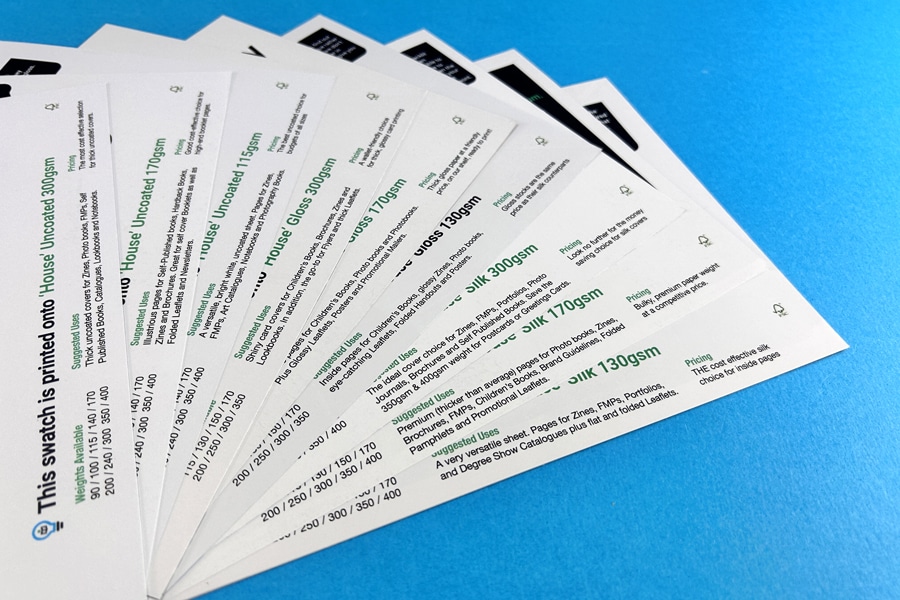
Paper size, weight and thickness play a crucial role in determining the feel, durability, and overall presentation of a comic book. These factors influence how pages turn, how ink is absorbed, and how well the comic holds up over time—especially for collectors and fans who want to preserve their copies.
Paper Size
The standard size paper for comic books is quite distinct and has been fairly consistent over the years. However, it is also dependent on the specific conventions of the region or even the particular publishers’ preferences. The standard North American comic book size is 6.625 in x 10.25 in. Now, there are some universal industry standards regarding paper sizes. Here's a table summarising the same:
| Paper Size | Dimensions |
|---|---|
| US Comic Book | 6.625 in x 10.25 in |
| UK Comic Book | 8.3 in x 11.7 in |
| Manga (Japan) | 5 in x 7.5 in |
| Golden Age (US) | 7.5 in x 10.5 in |
| Silver Age (US) | 7 in x 10.5 in |
Undoubtedly, standard US Comic Book size is a popular choice worldwide. However, for those seeking to emulate the vibe of the 'Golden Age' or 'Silver Age', the respective dimensions provide the intended throwback effect. A phenomenon like Manga, originally from Japan but now a global sensation, standardizes their specific size attributes. The UK comic book size is widely used as well, given its affinity towards classical book dimensions. The choice of paper size eventually loops back to the final product's intended feel, narrative impact, and market preferences.
Paper Weight
Paper weight is typically measured in GSM (grams per square meter) or lbs (pounds), depending on the region. Higher GSM indicates a thicker, more durable paper, while lower GSM results in a lightweight, flexible page. For comic book printing, paper weight needs to balance durability with ease of handling.
- Interior Pages: Most comics use 80–130gsm paper for interior pages, striking a balance between affordability and readability. For premium or collector’s editions, 130-170gsm or higher provides a more substantial feel.
- Covers: The cover requires a thicker stock to protect the interior pages. Common choices range from 170–350gsm, depending on whether you prefer a flexible or more rigid cover. 170gsm is a thick paper, 200-250gsm would be classed as lightweight cardstock and are easy for the reader to open, 300gsm is a standard cover weight. In our opinion 350gsm can be too heavy and too rigid for the reader to open and it is very prone to bouncing once initially opened.
Paper Thickness
Thickness, or paper bulk, determines how the comic book feels in hand. A thicker stock adds to the perception of quality, making the comic more durable and giving it a premium presence. However, it also increases printing costs, weight (which affects shipping), and potential issues like spine thickness adjustments.
- Thin Paper (60–80 GSM): Lightweight and cost-effective, suitable for newsprint-style comics and traditional floppies.
- Medium Paper (90–120 GSM): Provides a more professional feel, ideal for high-end indie comics and graphic novels.
- Thick Paper (130+ GSM): Best for deluxe editions, hardcover comics, and premium collector’s items
Along with the right size, weight and thickness of paper play a critical role in creating the desired impact. From factors such as crisp reproduction of artwork to durability against wear and tear, the paper weight directly impacts these materials. It is crucial to understand how paper weight influences print quality, especially in terms of ink absorption, and affects the end product's longevity.
Comic Book Printing Paper Types

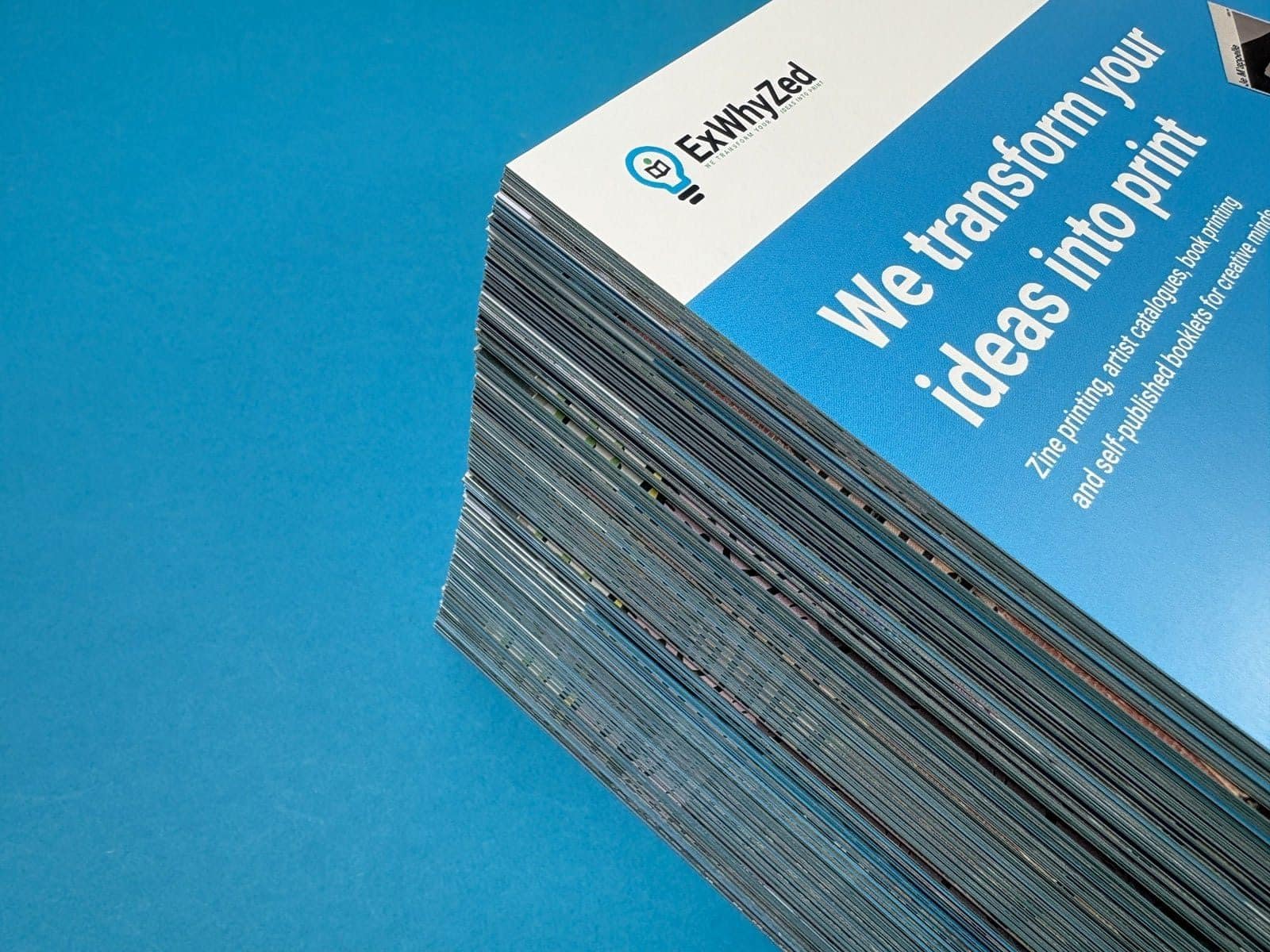
Creating a comic book or graphic novel involves numerous choices, one of which is selecting the right type of paper. While traditional comic books often favor gloss finishes, there's a range of paper types available to choose from. At Ex Why Zed, we offer the following types of paper suitable for your comic books -
1. Gloss Paper – For Vibrant, High-Impact Colors
Gloss paper is a popular choice for comics that thrive on bold, eye-catching visuals. The shiny, reflective surface enhances color saturation, making reds pop, blues deepen, and blacks appear richer. This makes it the go-to paper for superhero comics, sci-fi adventures, and action-packed narratives that rely on dynamic artwork. The coated surface also provides durability, resisting smudging and wear over time. However, while gloss paper amplifies vibrancy, it can create glare, making text harder to read under certain lighting conditions. Additionally, fingerprints are more noticeable, which may be a concern for collectors who want to keep their comics in pristine condition.

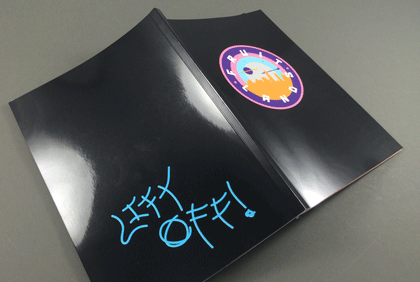
2. Silk Paper – The Perfect Balance of Shine and Readability
Silk paper strikes a middle ground between gloss and matte, offering a soft sheen that enhances color without overwhelming glare. This makes it ideal for graphic novels, slice-of-life comics, and indie stories where readability is just as important as rich visuals. The smooth, slightly textured feel gives comics a premium, high-end aesthetic, making it a great choice for creators looking for a refined, professional finish. While silk paper does deliver excellent color reproduction, it isn’t as vibrant as full gloss, and it can be slightly more expensive than standard matte options. However, for comics that rely on both visual appeal and legibility, silk paper is an excellent investment.


3. Uncoated Paper – The Indie & Vintage Favorite
The uncoated paper offers a classic, natural feel that makes it perfect for black-and-white comics, noir themes, and indie zines. Since it lacks a coating, it absorbs more ink, giving the artwork a soft, textured appearance that evokes a hand-drawn, old-school aesthetic. This paper type is also easier on the eyes, making it great for dialogue-heavy comics and heavily detailed illustrations. Additionally, uncoated paper is fully recyclable, making it a popular choice for environmentally conscious creators. However, the ink absorption can slightly reduce image sharpness, and colors may appear less vibrant compared to coated papers.
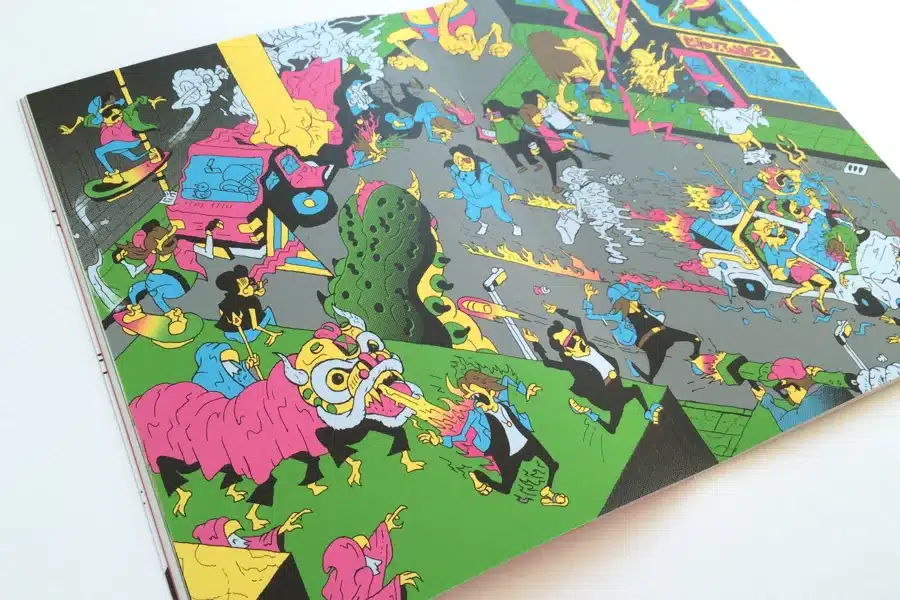
4. Recycled Paper – The Eco-Friendly Option with a Unique Texture
Recycled paper is a fantastic option for environmentally conscious publishers and artists looking to minimize their carbon footprint. Made from repurposed materials, it has a slightly rough texture that can add a unique, organic quality to the artwork. This makes it a great fit for alternative press books, experimental comics, and self-published zines that embrace a more handmade or DIY aesthetic. While recycled paper demonstrates a commitment to sustainability, it does come with minor trade-offs, such as slight color variations due to the recycled fibers and lower durability compared to coated papers. As a result, it’s best suited for one-shot issues, promotional comics, or short-run prints rather than long-term collector’s editions.
Other Specialty Papers
Apart from the above, there exists a universe of specialty papers, often leveraged to create a unique aesthetic flavor or comply with specific production goals. Here are a few examples:
- Newsprint: Provides an authentic vintage feel, often employed in creating throwback editions.
- Bond Paper: Known for its strength and durability. Its high ink absorption capacity offers sharp text prints. In the UK 'bond paper' is usually known as Uncoated.
- Cardstock: 250-350gsm, exceptionally thick and sturdy, typically used for comic book covers.
These specialty papers provide opportunities to stand out and cater to specific creative needs or environmental commitments.
Here's a summary of different paper types suitable for different types of comics:
| Comic Style & Genre | Recommended Paper Type | Why It Works |
|---|---|---|
| Superhero Comics & High-Action Stories | Gloss Paper | Enhances bold colors, high contrast, and dynamic action scenes with a striking, vibrant finish. |
| Indie Comics, Graphic Novels & Slice-of-Life Stories | Silk Coated Paper | Provides a balance of crisp visuals and a soft, luxurious feel, enhancing readability and emotional depth. |
| Horror, Noir, or Retro-Style Comics | Uncoated or Recycled Paper | Creates a textured, raw feel, ideal for black-and-white art, halftone shading, and a vintage aesthetic. |
| Experimental & Eco-Friendly Comics | Recycled Paper | Adds a unique, organic texture while reducing environmental impact, making it great for alternative comics. |
Factors Influencing Your Comic Book Paper Choice
Choosing the right paper for your comic book goes beyond just size and weight. Factors like brightness, opacity, bulk, and sustainability play a significant role in determining the final look, feel, and durability of your printed work. Here’s what you need to consider:
- Brightness: Brightness refers to how well the paper reflects light, directly impacting color vibrancy and contrast. High-brightness paper enhances the clarity of colors and sharpens grayscale images, making pages look more vivid and engaging. If you want your artwork to pop off the page, a higher brightness level is ideal.
- Opacity: Opacity determines how much print from one side of the page is visible on the other. A higher opacity prevents unwanted "show-through," ensuring a clean reading experience, especially for comics with heavy inking. While thicker paper generally has better opacity, coatings, and fillers can also influence how well the paper blocks light.
- Bulk: The bulk of the paper affects both the reader’s tactile experience and the comic’s overall durability. A higher bulk gives the impression of a thicker, more premium book, even if the paper weight remains the same. However, bulkier paper can increase shipping costs and require more storage space, so it’s important to strike the right balance.
- Consistency: Paper quality should remain consistent throughout the entire print run. Variations in texture, coating, or thickness can lead to inconsistencies in print output, affecting the final product's professional appearance.
- Printing Technology Compatibility: Not all paper types work with every printing method or printer. Some papers are optimized for digital printing, while others perform better with offset printing. Ensuring that your chosen paper matches your printing technology can prevent ink absorption issues and unexpected color shifts.
- Sustainability: As environmental awareness grows, many creators and publishers are opting for eco-friendly options. Recycled paper and FSC-certified stock help reduce environmental impact while adding a unique texture that can enhance certain comic styles.
- Cost-Effectiveness: Balancing quality and budget is key. While premium paper stocks offer a superior look and feel, they can be costly. Independent creators and new publishers may want to explore mid-range or cost-efficient options that still provide great results.
By considering these factors, you can make an informed choice that enhances your comic’s aesthetics, ensures durability, and aligns with your budget and sustainability goals.
Why Print Your Comic Books at Ex Why Zed?
Ex Why Zed offers a seamless blend of quality and efficiency. We ensure a straightforward comic book printing process for creators with fast delivery in 2–5 days. Our friendly and accessible support and free file check service demonstrate our commitment to customer satisfaction. Additionally, we offer free paper samples and the option to order a test copy first, allowing you to ensure the final product meets your expectations. Trusted by thousands of self-publishers, artists, and students, we your ideas into high-quality printed comics. Request a quote now for your comic books.
Wrap Up
Creating the perfect comic book involves numerous decisions, with paper selection being a significant determinant. From understanding varied paper sizes and weights to knowing the difference between coated and uncoated variants, every aspect plays its part in realizing your visual storytelling's artistic vision. Remember, what works best for one may not apply to all. The key lies in understanding your unique project requirements and your audience preferences and balancing it with cost-effectiveness.
Frequently Asked Questions
1. What’s the difference between coated and uncoated paper for comics?
Coated paper (gloss or silk) has a smooth finish that enhances color vibrancy and sharpness, making it ideal for high-detail artwork. Uncoated paper absorbs more ink, giving a softer, textured look that works well for indie or vintage-style comics.
2. How do I choose the right paper for black-and-white comics?
For black-and-white comics, uncoated or silk paper is best. Uncoated stock provides a classic, textured feel, while silk paper keeps the artwork crisp with less glare. The choice depends on whether you prefer a raw, traditional look or a modern, refined finish.
3. Does the choice of paper affect the printing cost?
Yes, heavier and coated papers generally cost more than lighter or uncoated options. If you’re on a budget, balancing paper quality with cost is important—standard silk or matte paper often provides the best value without sacrificing quality.
4. What’s the best paper choice for a durable, long-lasting comic book?
For durability, choose a higher-weight paper (around 150gsm for interiors) and a sturdy cover stock (250–300gsm). Laminated covers (gloss or matte) add extra protection, making them ideal for collector’s editions or graphic novels.