


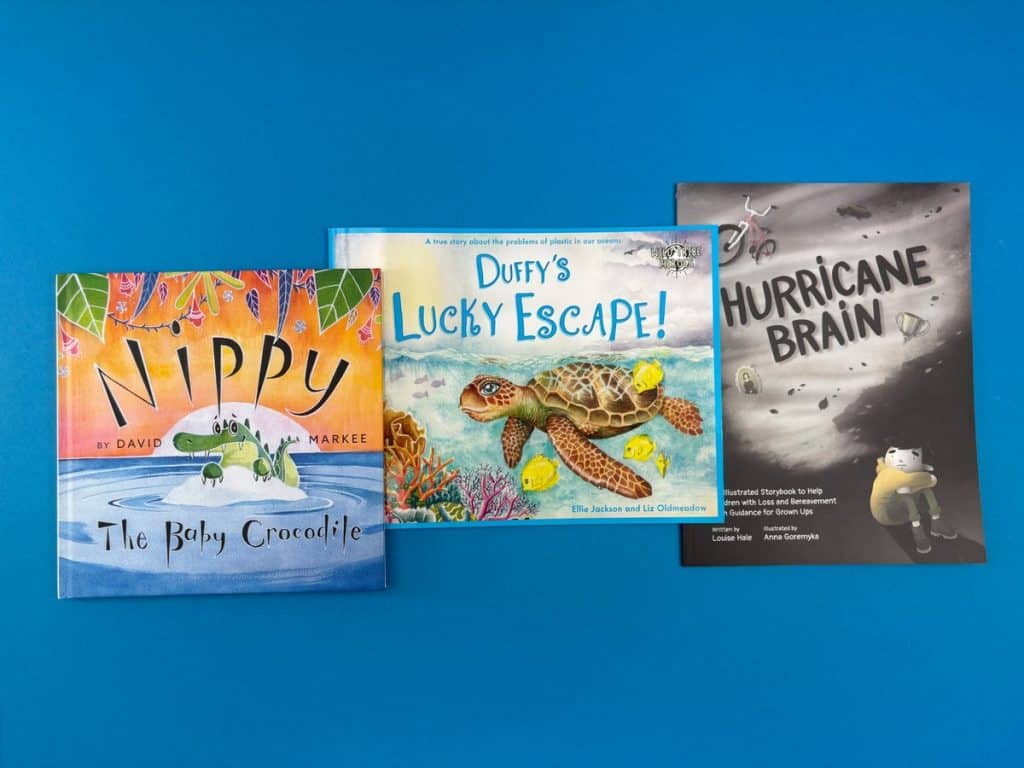
Key Highlights
- Popular children’s books in the UK endure because they combine memorable storytelling, strong illustration, reread value, and trusted classroom adoption.
- Timeless titles such as The Gruffalo, Harry Potter, and The Very Hungry Caterpillar succeed by aligning narrative strength with thoughtful format and durable production.
- In 2026, popularity is shaped by emotional intelligence themes, cultural representation, premium keepsake editions, and sustainable printing choices.
- Production decisions such as binding, paper weight, lamination, and format directly influence longevity, colour vibrancy, and perceived value.
- Real Ex Why Zed projects demonstrate how landscape formats, case binding, printed endpapers, and section sewing elevate children’s books from standard prints to lasting keepsakes.
- The best children’s books support literacy, creativity, and emotional development while balancing story, audience needs, and physical durability.
- Choosing the right print specification early ensures professional presentation, reduces reprint risk, and aligns the finished book with its intended use and readership.
There are thousands of lists claiming to feature the best children’s books, yet very few explain why certain titles stay popular year after year. Parents want age-appropriate choices. Teachers want classroom-ready reliability. But authors and self-publishers want to understand what makes a children’s book commercially viable and built to last.
Popularity is not just about sales numbers. It is about rereads, recommendations, gifting, and emotional connection. Some books become bedtime rituals. Others shape classroom discussions. A few become lifelong keepsakes passed down through families. For authors and self-publishers, these same qualities directly influence print decisions, from trim size and paper weight to illustration spacing and binding style.
This guide helps you shortlist popular children's books in the UK and explains how those same principles apply to printing and publishing your own title. You will see how storytelling, format, and production choices work together to create books that endure.
What Makes a Children’s Book "Popular" In The UK?
In the UK, a children’s book becomes popular when it combines clear storytelling, memorable characters, and strong illustration, much like The BFG or Charlie and the Chocolate Factory. Rhythm, rhyme, and repetition, as seen in The Gruffalo, make stories interactive and easy to reread.
Recognition from schools, libraries, and organisations such as BookTrust also drives sustained demand and long-term visibility.
For younger readers, popularity often depends on:
- Bold, engaging visuals that reproduce cleanly on coated or uncoated stock without losing colour depth
- Simple, focused narratives that fit comfortably within standard 24–32 page picture book formats
- Readable layouts with margins and gutter spacing suited to saddle-stitched or perfect-bound production
- Relatable themes supported by illustration styles that remain clear at common trim sizes
As children grow, they seek humour, adventure, and characters they can connect with. From a printing perspective, enduring titles also share practical traits, like clear typography, consistent page pacing, and layouts that translate well across paperback and case-bound hardback editions. Story drives demand, but production quality supports longevity.
Which Famous Children’s Books Have Shaped Generations?
Certain children’s books in the UK have shaped reading culture far beyond bestseller lists. Their influence comes from strong storytelling, emotional resonance, and formats designed for repeated handling and shared reading.
1. The Gruffalo by Julia Donaldson and Axel Scheffler

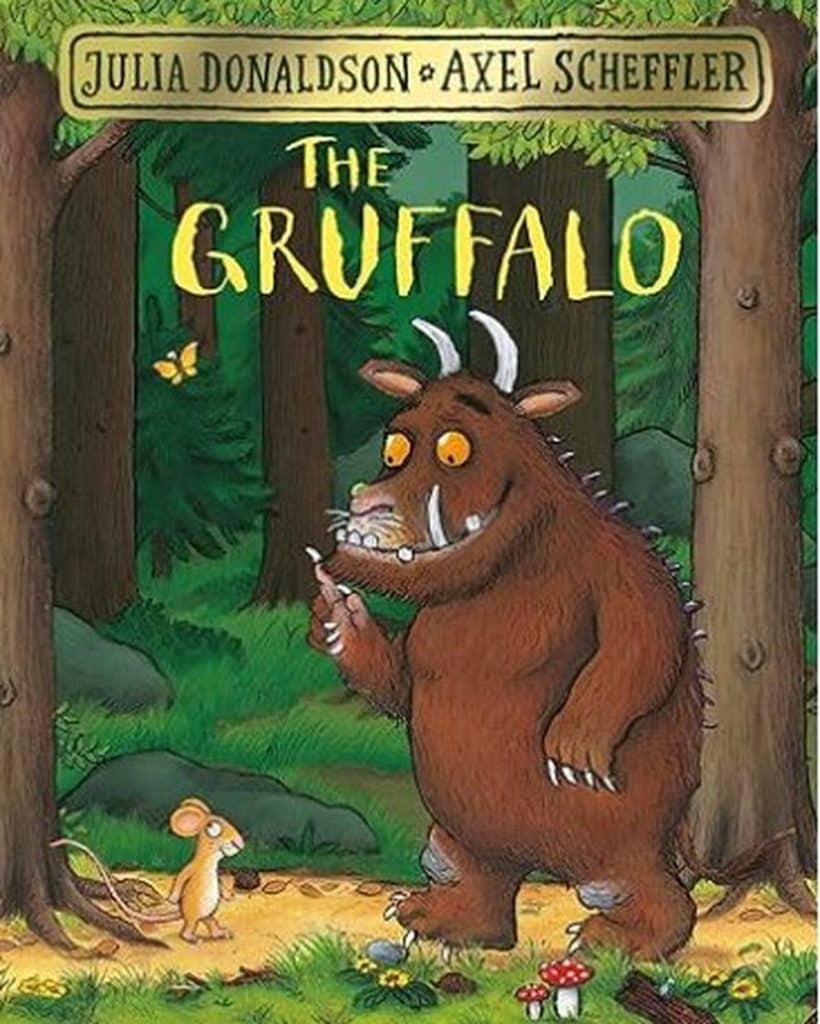
First published in 1999, The Gruffalo became a modern classic because of its rhythmic rhyme structure and memorable character design. The repetitive phrasing encourages participation, making it ideal for bedtime reading and classroom performance.
Its large-format picture book design supports expressive illustrations and shared reading. The visual pacing and durable production have helped it remain a staple in UK schools and homes for over two decades.
2. The Very Hungry Caterpillar by Eric Carle


Published in 1969, this title stands out because its physical format became part of the story. The die-cut pages representing the caterpillar’s bites turned page-turning into an interactive experience.
Beyond the simple narrative, its bold collage-style artwork and sturdy board book editions make it ideal for early readers. The production design reinforces the storytelling, increasing reread value and long-term durability.
3. Harry Potter by J.K. Rowling


The Harry Potter series transformed children’s publishing by demonstrating that young readers would commit to long-form fantasy storytelling. Its global impact extended beyond books into film, merchandise, and cultural identity.
From a production perspective, the series format encouraged collectability. Hardback editions, special covers, and durable bindings strengthened its position as both a reading experience and a keepsake collection.
4. Winnie-the-Pooh by A.A. Milne

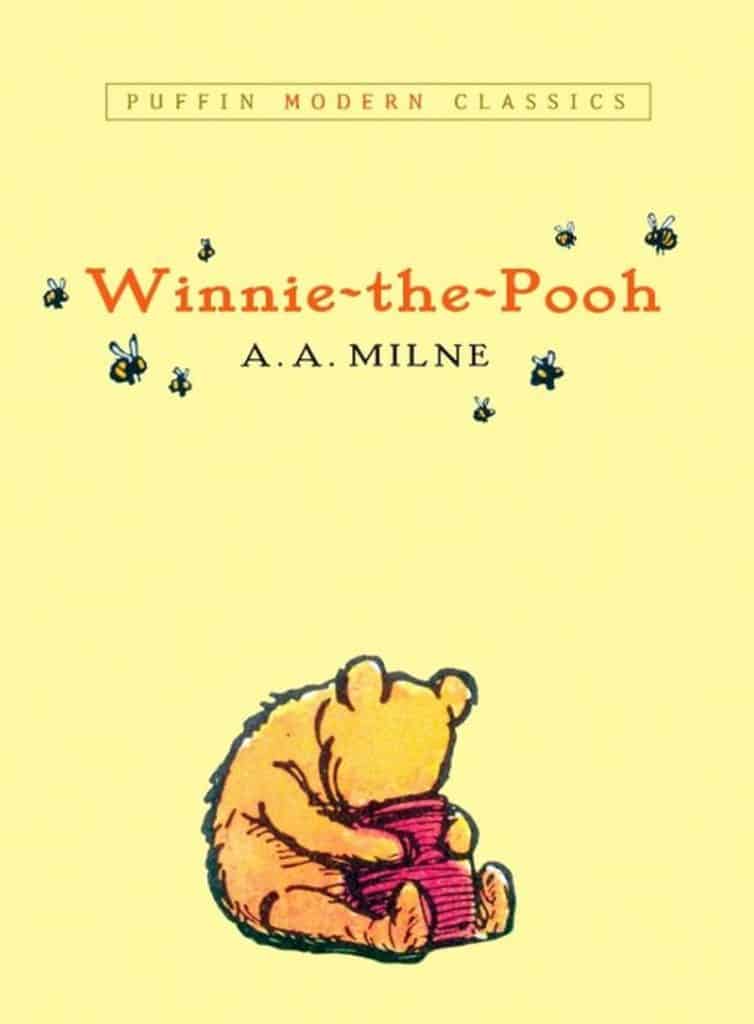
Originally published in 1926, Winnie-the-Pooh remains relevant because of its timeless themes of friendship, curiosity, and gentle humour. The simplicity of the language makes it accessible across generations.
Traditional illustrated editions and consistent print quality have preserved its charm. Longevity here is rooted in narrative warmth combined with thoughtful production standards.
5. Matilda by Roald Dahl


Matilda resonates because it celebrates intelligence, independence, and resilience. Its themes connect with both children and adults, ensuring continued classroom adoption.
Paperback and hardback formats alike benefit from clear typography and strong cover design. The book’s continued popularity shows how strong a narrative voice, combined with durable, widely available editions, sustains generational appeal.
These titles endure because they do more than tell a story. They create emotional connections and are produced in formats built to withstand repeated reading. Story drives popularity, but thoughtful print design ensures it lasts.
What Are the Top 10 Children’s Book Printing Projects by Ex Why Zed?
Seeing how real children’s books are produced reveals what truly shapes quality. Format, paper choice, lamination, and binding all influence durability, colour depth, and reader experience. These ten Ex Why Zed projects show how thoughtful print decisions elevate storytelling.
1. Where Are You Going Today? Series


The Where Are You Going Today? The series is a vibrant seasonal collection designed around wide illustration spreads. The landscape format enhances immersive artwork, while careful material selection strengthens the tactile, durable feel across every title in the series.
Key Features
- 190x230mm landscape format
- 350gsm silk cover with gloss lamination
- 120gsm uncoated text pages
- Perfect bound, 32pp, CMYK throughout
- Consistent specs across multiple titles
2. Hurricane Brain by Dr Karen Treisman


Hurricane Brain is a therapeutic illustrated book supporting children through bereavement and loss. The format allows artwork to lead gently, while material choices create a calm, reassuring in-hand experience suited to emotionally sensitive storytelling.
Key Features
- 270x210mm format
- 350gsm silk cover with matt lamination
- 115gsm uncoated inner pages
- Perfect bound, 42pp, full colour
- File setup and proofing support provided
3. Rose Loses Her Nose
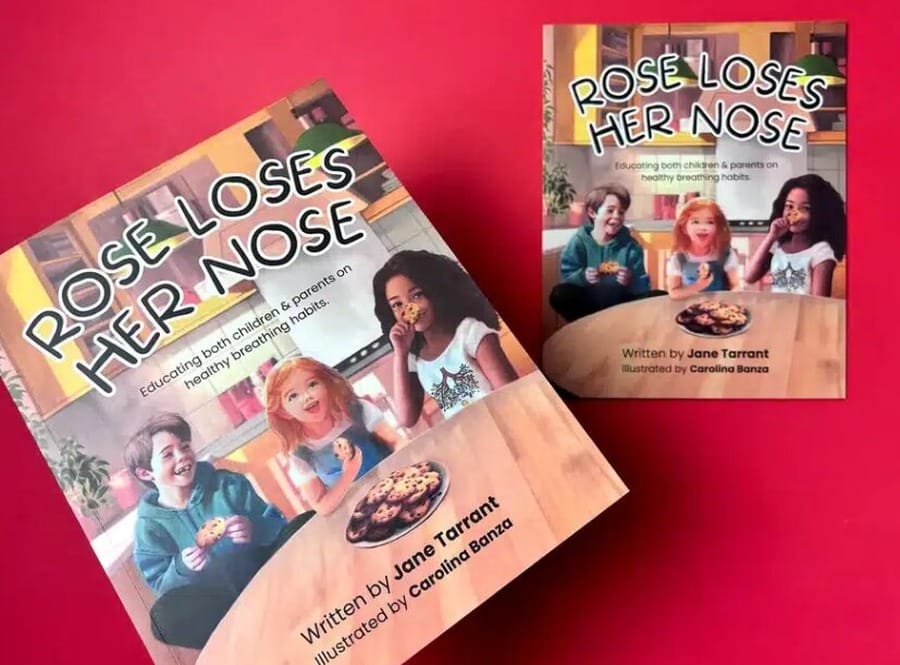
Rose Loses Her Nose is an educational children’s book focused on healthy breathing habits. The production balances clarity and durability, ensuring the book withstands repeat handling in homes and learning environments without compromising colour sharpness.
Key Features
- 254x203mm trim size
- 300gsm uncoated cover with matt lamination
- 130gsm silk inner pages
- Perfect bound, 36pp, full colour
- Designed for educational durability
4. Kittiwake Kingdom

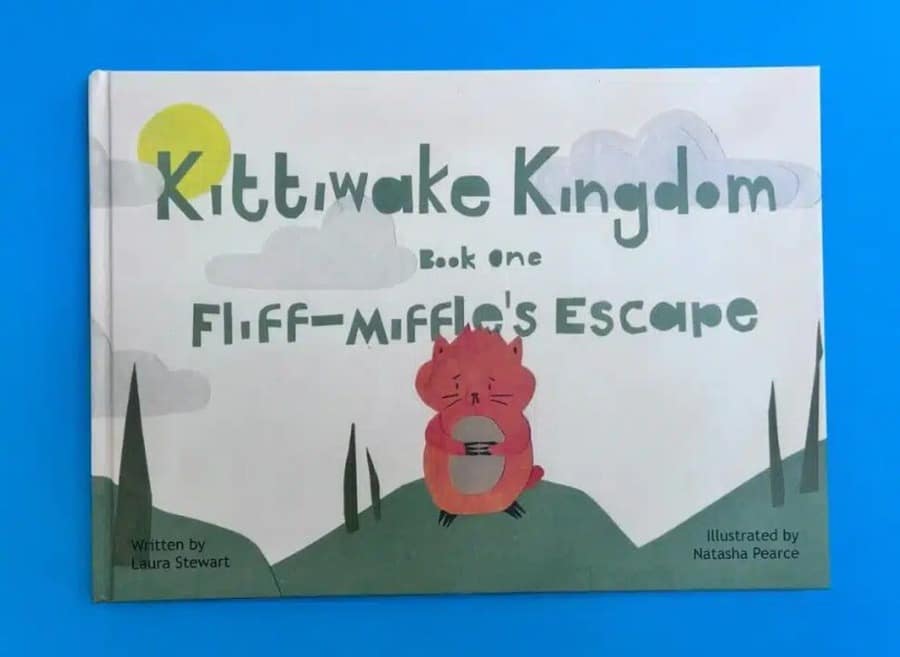
Kittiwake Kingdom is a premium case-bound children’s book designed as a lasting keepsake. The hardback construction and printed endpapers elevate presentation, while soft, uncoated inner pages enhance the warmth of imaginative illustrations.
Key Features
- A4 landscape case-bound format
- 170gsm silk cover with matt lamination
- Greyboard hard case
- Printed endpapers 170gsm uncoated
- 170gsm uncoated inner pages
5. Duffy’s Lucky Escape


Duffy’s Lucky Escape is an eco-focused children’s booklet designed for wide distribution. The wire-stitched format supports scalability, while high-quality paper ensures bold colour reproduction suited to classroom and event settings.
Key Features
- 210x272mm landscape booklet
- 350gsm Ensocoat cover with gloss lamination
- 170gsm silk inner pages
- Wire-stitched binding
- Ideal for bulk campaigns
6. Nippy the Baby Crocodile

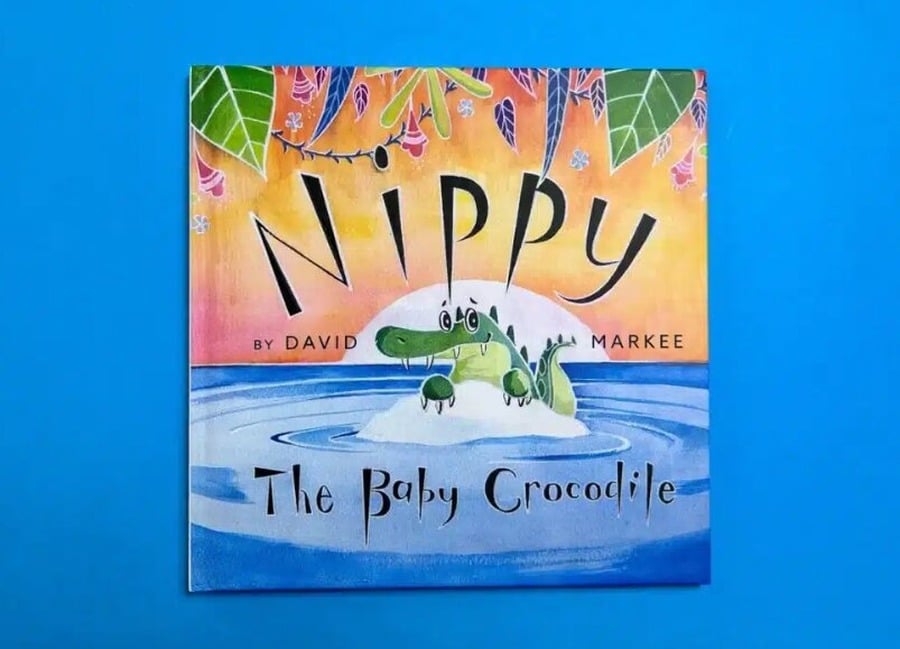
Nippy the Baby Crocodile is a square case-bound hardback created for durability and gifting appeal. The printed endpapers and refined matt finish give Nippy the Baby Crocodile a polished, retail-ready presence.
Key Features
- 210x210mm case-bound format
- 170gsm silk inner pages
- Matt laminated a hard cover
- Printed endpapers
- Designed for retail and gifting
7. The Tale of Tzarevich Ivan, The Fire Bird, and The Grey Wolf by Izzy Carroll

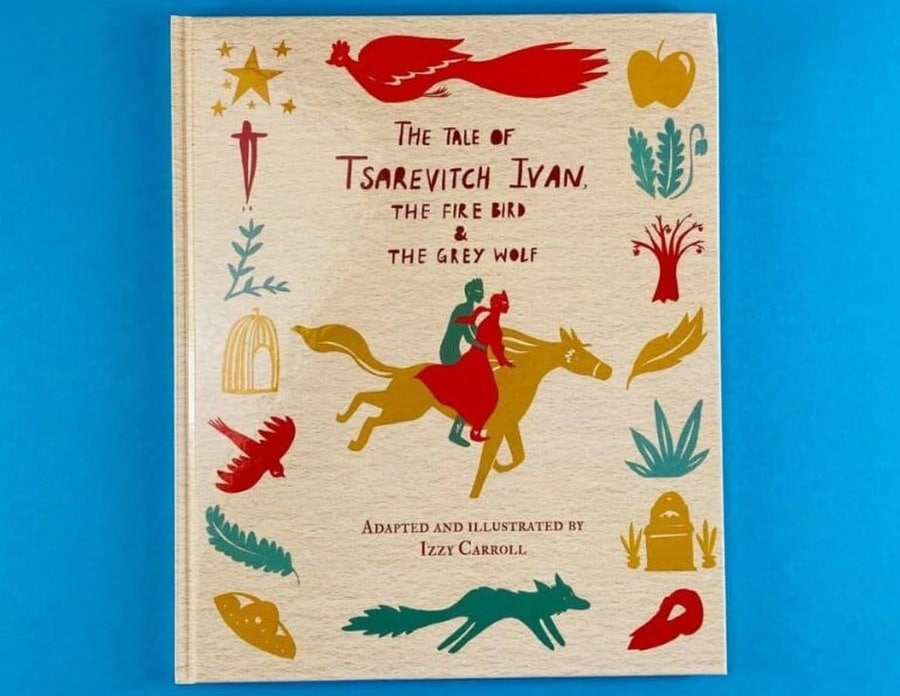
The Tale of Tzarevich Ivan, The Fire Bird, and The Grey Wolf is a richly illustrated hardback inspired by Slavic folklore. Izzy Carroll blends bold colour, intricate pattern, and symbolic imagery to create an immersive art book experience designed for collectors and young readers alike.
Key Features
- 286x236mm bespoke format
- 170gsm silk cover wrapped over greyboard
- Matt laminated the outer finish
- Printed endpapers 170gsm uncoated
- 170gsm silk inner pages, full colour
- Case-bound construction
8. First Words: Mixing ABCs & Filipino Heritage by Rachelle Luna


First Words: Mixing ABCs & Filipino Heritage is a bilingual educational phonics book connecting young readers to Filipino culture. The book pairs alphabet learning with heritage storytelling, creating a vibrant, durable hardback designed for repeated early years use.
Key Features
- 203x203mm case-bound format
- 170gsm silk FSC certified cover
- Matt laminated the outer
- 130gsm silk FSC certified inner pages
- Unprinted endpapers 170gsm uncoated
- 56pp full colour throughout
9. My Wonder Line by Vicky Gooden and BunBunBooks


My Wonder Line follows a young girl exploring a scar on her body, offering representation for children who have experienced surgery. The book combines gentle storytelling with expressive illustration, creating an inclusive picture book with emotional warmth.
Key Features
- 265x210mm trim size
- 300gsm silk cover with matt lamination
- 170gsm uncoated inner pages
- Perfect bound, 32pp
- Four colour print throughout
10. Strange Tales of the Alphabet Children by Matthew Rumbelow


Strange Tales of the Alphabet Children is a darkly humorous illustrated hardback featuring 26 cautionary tales. Inspired by classic literary styles, the book combines intricate artwork with premium production values to match the sophistication of the writing.
Key Features
- 250x200mm case-bound format
- 170gsm silk cover with matt lamination
- Section sewn binding for durability
- 170gsm silk inner pages, 84pp
- Wibalin Black endpapers
- Limited edition dust jacket with silver foiling
Each of these projects demonstrates how production choices influence how a children’s book feels, lasts, and is perceived.
Want to see more examples? Explore the full children’s book printing portfolio on the Ex Why Zed website to discover formats, finishes, and real-world projects that could inspire your own.
Why Print Children’s Books?

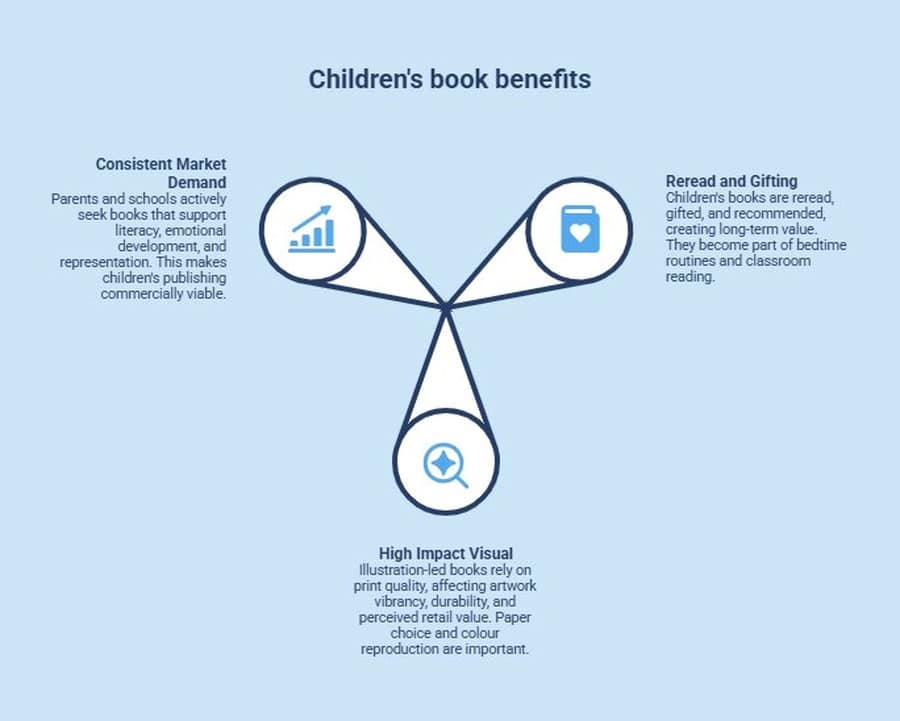
Children’s books are one of the most enduring categories in publishing. Unlike many adult titles, they are reread, gifted, recommended by teachers, and passed between families. For authors and illustrators, this creates long-term value beyond a single sale.
1. Strong Reread and Gifting Potential
Children’s titles often become part of bedtime routines and classroom reading. This leads to:
• Repeat reading
• Word-of-mouth recommendations
• Seasonal gifting demand
2. High Impact Visual Product
Illustration-led books rely heavily on print quality. Paper choice, binding, and colour reproduction directly affect:
• Artwork vibrancy
• Durability
• Perceived retail value
3. Consistent Market Demand
Parents and schools actively look for books that support literacy, emotional development, and representation. That makes children’s publishing both meaningful and commercially viable.
When printed well, a children’s book is not just read. It is kept, shared, and remembered.
How Do You Choose The Right Print Spec For Your Children’s Book?

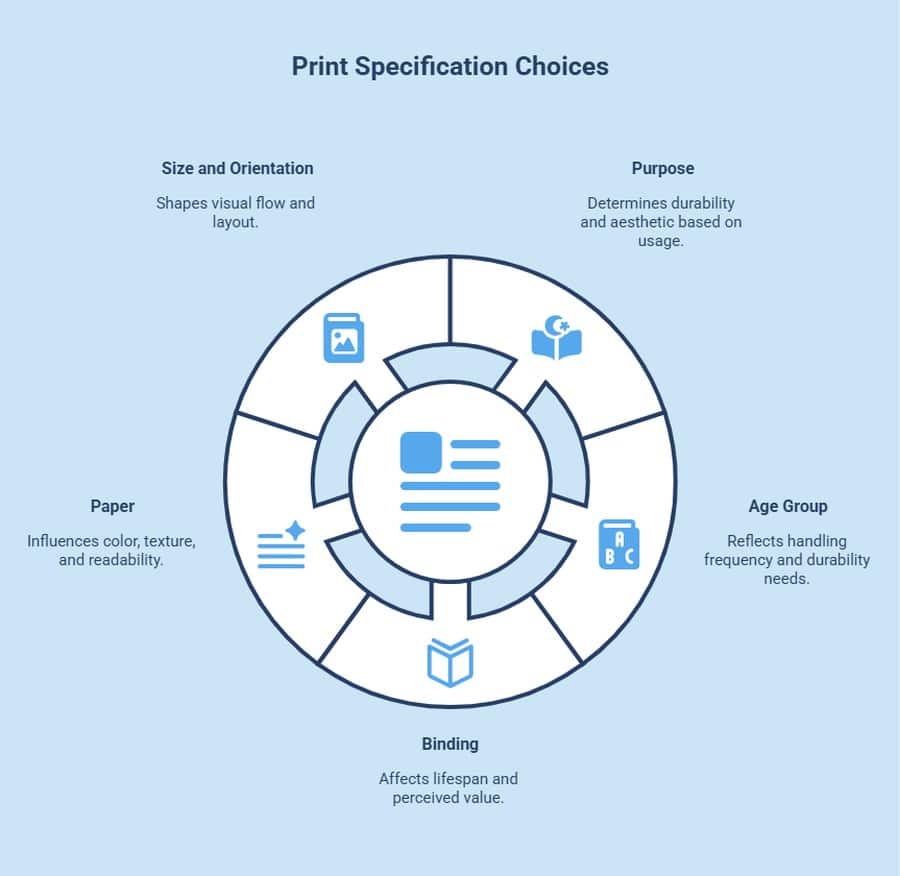
Print specifications shape how your book feels, lasts, and presents on a shelf. The right combination of binding, paper, and finish should match your audience, purpose, and budget. Clear decisions early prevent costly reprints and mismatched expectations later.
1. Start With Purpose and Context
Define how the book will be used before choosing materials.
- Bedtime favourite: Prioritise durability and comfort in hand
- Classroom title: Strong binding and resilient pages
- Gift edition: Premium cover and finish
- Campaign booklet: Practical, scalable production
Usage should guide every technical choice.
2. Match the Spec to the Age Group
Different readers handle books differently.
- Younger children: Thicker pages and sturdy covers
- Primary readers: Durable stock that resists creasing
- Older readers: Standard weights for flexibility
- High-ink illustrations: Paper that prevents show-through
Durability should reflect handling frequency.
3. Choose the Right Binding
Binding affects lifespan and perceived value.
- Perfect bound: Cost-effective and retail-friendly
- Case-bound hardback: Premium, long-lasting, ideal for keepsakes
- Wire or saddle stitched: Best for shorter formats
- Series titles: Keep specs consistent across books
If longevity matters, invest in stronger binding.
4. Select Paper Weight and Finish Carefully
Paper influences colour, texture, and readability.
- Silk or gloss: Sharper, more vibrant illustrations
- Uncoated: Softer, calmer aesthetic
- Heavier stocks: Reduce show-through
- Mid-weights: Balance durability and flexibility
Illustration-led books often benefit from coated clarity.
5. Confirm Size and Orientation
Format shapes visual flow.
- Landscape: Strong for full-spread artwork
- Portrait: Traditional storytelling format
- Square: Balanced and gift-friendly
Choose dimensions that enhance, not constrain, your layout.
The right print spec aligns story, audience, and physical experience. When those elements work together, the book feels intentional, professional, and built to last.
What Trends Are Shaping Popular Children’s Books in 2026?

While classics remain dominant, new trends are influencing what becomes popular in the UK children’s book market.
1. Greater Cultural Representation
Books reflecting multicultural families, bilingual storytelling, and diverse protagonists are increasingly chosen by schools and parents. Authentic representation strengthens relevance and repeat demand.
2. Emotional Intelligence Themes
Stories exploring resilience, anxiety, friendship, and confidence are gaining traction. Parents and educators value books that support emotional development alongside literacy.
3. Premium Keepsake Editions
Case-bound hardbacks, printed endpapers, and gift-ready finishes are growing in popularity. Families increasingly choose durable editions designed to be treasured rather than replaced.
4. Illustration-Led Storytelling
Visual-first books with bold spreads and immersive artwork are resonating strongly, particularly for early years readers. Format and layout play a larger role in perceived value.
5. Sustainability in Production
FSC-certified papers and environmentally conscious printing are influencing purchasing decisions, especially among schools and independent publishers.
In short, popularity in 2026 is shaped by both content and construction. Stories must connect emotionally, but format, durability, and production standards influence whether a book becomes a short-term read or a long-term favourite.
How Ex Why Zed Helps You Print Your Children's Book?
Printing a children’s book requires precision, experience, and an understanding of how format shapes the reading experience. Ex Why Zed has extensive experience producing high-quality children’s books, from vibrant picture books to premium case-bound hardbacks and educational series. Every project is handled with a focus on colour accuracy, durability, and long-term reader appeal.
Ex Why Zed supports authors, illustrators, and publishers at every stage, ensuring the finished book feels professional and built to last.
Why Choose Ex Why Zed?
• Specialist experience in printing children’s books, including picture books, educational titles, case-bound editions, and multi-book series
• Free paper samples to help you select the right stock for colour vibrancy and durability
• Friendly, personalised advice tailored to your story, audience, and budget
• Expert colour management and preflight checks to protect illustration quality
• Flexible print runs, from short Kickstarter projects to large retail quantities
• Premium finishing options such as matt or gloss lamination, foil blocking, printed endpapers, and dust jackets
• Durable binding choices including perfect bound, wire stitched, case-bound, and section sewn formats
• Storage, fulfilment, and distribution solutions to support wider sales
• Fast turnaround times with worldwide delivery
Ready to print your own children’s book? Ask for a tailored quote to bring your story to life with confidence.
Final Thoughts
The most popular children’s books stand out because they align story, audience, and physical format with purpose. Memorable characters and strong illustration create an emotional connection, while thoughtful production ensures durability and reread value.
In 2026, success depends on cultural relevance, emotional depth, and quality construction. Whether selecting a title or producing your own, understanding both storytelling and print specifications helps create books that last beyond trends and become trusted favourites in homes and classrooms.
Frequently Asked Questions
What are some new and notable children’s books released recently?
Recent releases often explore imaginative settings, from stories inspired by the northern lights to heartfelt tales about friendship and family. Many follow a young boy or a younger sister navigating change, helping young children connect emotionally while discovering diverse perspectives.
Which children’s books are most recommended by teachers and librarians?
Educators regularly recommend a balanced mix of modern favourites and enduring classics, including works by Dr Seuss, such as Green Eggs and Ham. A classic story like Winnie the Pooh continues to resonate since its first publication, while imaginative adventures such as The Neverending Story inspire curiosity and discussion.
What are the most popular children’s books available on Amazon UK?
Amazon UK charts often feature recognised classics and series favourites. Stories such as The Little Prince, alongside beloved characters like Pooh, remain consistent bestsellers, appealing to gifting buyers and families seeking timeless narratives.
What are the most popular children’s books that children talk about at school?
On the playground, conversations often revolve around adventurous settings like a magical boarding school, humorous tales featuring James, or animal stories set in a zoo. Recognisable characters quickly become shared cultural references among classmates.
What are the most popular books for children under five?
For a toddler or preschooler, engaging picture books with warmth and repetition work best. Stories featuring animals, perhaps a playful puppy, or gentle bedtime tales read by mum, often become a child’s treasured first book and favourite.
Which children’s books receive the highest ratings on review platforms?
Highly rated titles often blend imaginative scope with emotional depth. Books set under the northern lights or centred around relatable family relationships, along with themes of high school life, consistently earn praise for strong storytelling, memorable characters, and lasting reread value.
Which children’s books do teachers often suggest for classroom reading?
Teachers recommend stories that spark curiosity and empathy. Whether following a young boy on an adventure, exploring a lively zoo, or revisiting a trusted classic story, these titles encourage literacy development and meaningful classroom discussion.
Can you recommend the best children’s books for different age groups?
For young children, illustrated picture books remain ideal. Newly independent readers benefit from shorter chapters and recurring characters. Older readers often gravitate towards fantasy, adventure, or a reflective tale such as The Little Prince.
What are the top best-selling children’s books right now?
Best-selling children’s books in the UK usually include a mix of modern series and enduring classics. Titles like The Gruffalo, Harry Potter, Diary of a Wimpy Kid, and trending seasonal releases frequently appear on Amazon UK and The Bookseller charts, reflecting current buying patterns.