


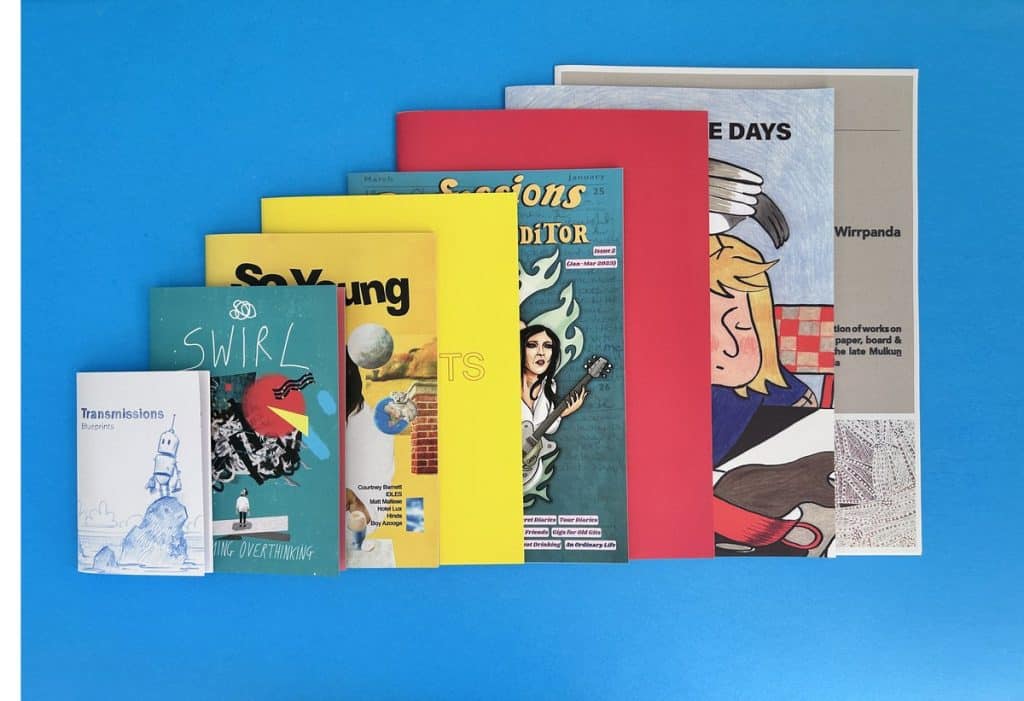
- ✓Booklet printing costs are primarily influenced by booklet size, page count, paper stock, binding method, and print quantity.
- ✓A5 booklets typically offer the best balance between affordability, usability, and professional presentation.
- ✓Larger formats, such as A4 landscape and A3, require more materials and generally cost more to produce.
- ✓Saddle-stitched booklets are usually the most cost-effective binding option, while perfect-bound and hardback formats increase production costs.
- ✓Digital printing is often the most economical choice for short-run booklet printing, whereas lithographic printing delivers better value for larger quantities.
- ✓Premium upgrades such as heavier paper stocks, hardback covers, lamination, foil blocking, and embossing increase booklet printing costs.
- ✓Bulk print runs reduce the cost per booklet by spreading setup and production expenses across more copies.
- ✓Careful planning of artwork, specifications, and print quantities can help avoid costly revisions, delays, and reprints.
Printing a booklet is often more complex than it first appears. The final cost depends on a series of production choices, from booklet size and paper stock to binding style and finishing options. A simple A5 brochure may be relatively inexpensive to produce, while a hardback catalogue with premium materials can cost significantly more.
Page count, colour printing, paper weight, binding method, and print quantity all influence production costs. Short digital print runs typically have a higher unit cost, whereas larger lithographic runs are often more economical. Premium finishes such as lamination, foil, and embossing can further increase the overall price.
Understanding what drives booklet printing costs makes it easier to budget effectively and avoid unnecessary expenses. This guide explores average booklet printing costs in the UK, the factors that influence pricing, and practical ways to achieve professional results without overspending.

What Is the Average Cost of Printing Booklets in the UK?
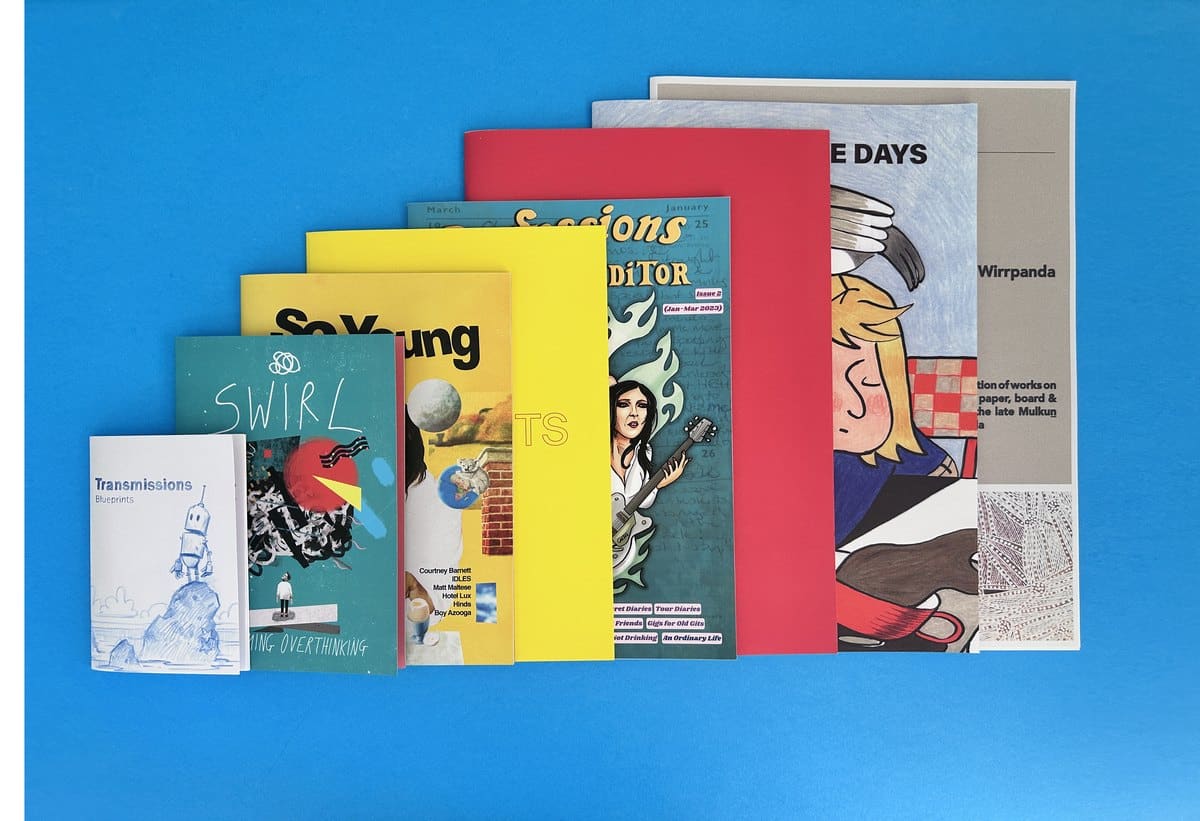
Booklet printing costs in the UK can range from under £1 per copy for simple short-run booklets to several pounds per unit for larger, premium publications.
The final price depends on factors such as booklet size, page count, paper stock, binding method, print quantity, and finishing options.
Average booklet printing costs for common booklet sizes
Booklet size has a direct impact on printing costs because it affects paper usage, ink coverage, and production efficiency. While exact prices vary by specification, the table below provides a general indication of booklet printing costs in the UK.
| Booklet Size | Estimated Cost Per Booklet |
|---|---|
| A6 | £0.30–£1.50 |
| A5 | £0.40–£2.50 |
| A4 Landscape | £0.80–£4.00 |
| A3 | £2.00–£8.00+ |
Estimated costs vary depending on page count, quantity, paper stock, binding, and finishing requirements.
In general:
- A6 booklet printing costs are typically lower because the compact format requires less paper and ink.
- A5 booklet printing costs often provide the best balance between affordability and usability, making them popular for brochures, programmes, and promotional materials.
- A4 landscape booklets cost more due to their larger print area and increased material requirements.
- A3 booklet printing costs are usually the highest among standard booklet formats because of the larger sheet size and specialist production requirements.
Binding also affects pricing. Saddle-stitched booklets are generally the most economical option for lower page counts, while perfect-bound booklets command a higher price because of the additional production process and premium appearance.
Why Is It Difficult to Estimate Booklet Printing Costs?
Booklet printing prices can vary significantly because every project uses a different combination of specifications. Two booklets of the same size may have very different production costs depending on the materials, finishing options, and quantity ordered.
For example:
- An A5 saddle-stitched booklet printed on standard silk paper will cost considerably less than a perfect-bound booklet using premium textured stock.
- Switching from standard paper to a heavier premium stock can noticeably increase costs on larger print runs.
- Adding finishes such as lamination, foil blocking, or embossing introduces additional production stages and expenses.
Because multiple factors influence pricing simultaneously, most printers provide bespoke quotations based on the exact booklet specification. Comparing options before placing an order can help identify the most cost-effective solution for your project.
What Drives the Cost of Printing Booklets?
Booklet printing costs depend on the specifications you choose. Size, page count, paper stock, colour printing, binding, and finishing all affect the final price.
Larger formats, premium materials, and complex finishes increase production costs, while simpler specifications and higher print quantities usually reduce the cost per booklet.
How booklet size affects printing costs
Booklet size directly affects paper usage, ink coverage, and production efficiency. Larger formats cost more because they require more materials and can increase finishing and binding costs. An A4 booklet will almost always cost more to print than an A5 booklet with the same specifications.
- A6 booklets are compact and cost-effective for programmes, zines, and small guides.
- A5 booklets balance affordability with usability, making them popular for brochures and catalogues.
- A4 booklets provide more design space but require more paper and higher production costs.
If budget is a priority, choosing a smaller booklet format can significantly reduce printing costs without affecting content quality.
How page count changes booklet pricing
Page count is one of the biggest cost drivers in booklet printing. More pages increase paper usage, ink consumption, and binding requirements, which raises the overall production cost.
Booklets are printed using folded sheets, so page counts must usually be divisible by four. Adding unnecessary pages increases costs quickly, especially for larger print runs. Keeping layouts efficient and removing excess content helps reduce booklet printing costs while maintaining readability and design quality.
How paper stock and GSM influence booklet printing costs
Paper stock affects both the look of your booklet and its printing cost. GSM, which stands for grams per square metre, is a measurement used to describe paper weight. In simple terms, the higher the GSM, the thicker and heavier the paper feels.
For example, a booklet printed on lightweight paper is usually cheaper to produce than one printed on a thicker, premium stock. Heavier papers are often used for covers because they feel more durable and create a higher-quality finish, but they also increase material and binding costs.
Paper finishes can also affect pricing. Common options include:
- Gloss paper, which creates a shiny finish and makes colours appear more vibrant
- Silk paper, which offers a smooth finish with less shine
- Uncoated paper, which has a natural texture and is often used for a more premium or tactile feel
Choosing the right paper stock comes down to balancing appearance, durability, and budget. A thicker paper may improve the perceived quality of a booklet, but it can also increase production costs, particularly for larger print runs.
Why colour printing increases booklet costs
Full-colour booklet printing costs more because it uses additional ink, longer production processes, and stricter colour calibration. Booklets printed in CMYK require four colour layers, which increases printing complexity compared to black-and-white printing.
Colour printing is often essential for brochures, catalogues, and marketing materials because it improves visual impact and presentation quality. However, using colour selectively, such as printing only the cover in colour, can help reduce production costs without losing visual appeal.
How booklet binding impacts final pricing
Binding affects both the appearance and production cost of a booklet. Simpler binding methods are cheaper and faster to produce, while premium bindings require additional materials and manufacturing processes.
- Saddle-stitched binding is one of the most cost-effective options for brochures, programmes, catalogues, and magazines with lower page counts. It uses folded pages secured with staples along the spine.
- Perfect binding creates a flat glued spine similar to a paperback book. It provides a more professional finish for thicker booklets but costs more than saddle stitching.
- Hardback binding is the most expensive option because it uses rigid covers and additional production processes. It is typically chosen for premium publications, portfolios, and high-end print projects.
How turnaround times affect booklet printing costs
Production schedules can influence booklet printing costs, particularly when tight deadlines are involved. Standard turnaround times are usually the most cost-effective option, while expedited production often incurs additional charges.
Costs may increase when:
- Priority production is required
- Same-day or next-day printing is requested
- Additional staffing or press time is needed
- Special delivery arrangements are required
Planning booklet printing in advance can help businesses avoid rush fees and keep production costs under control.

How Much Does Different Booklet Printing Formats Cost?
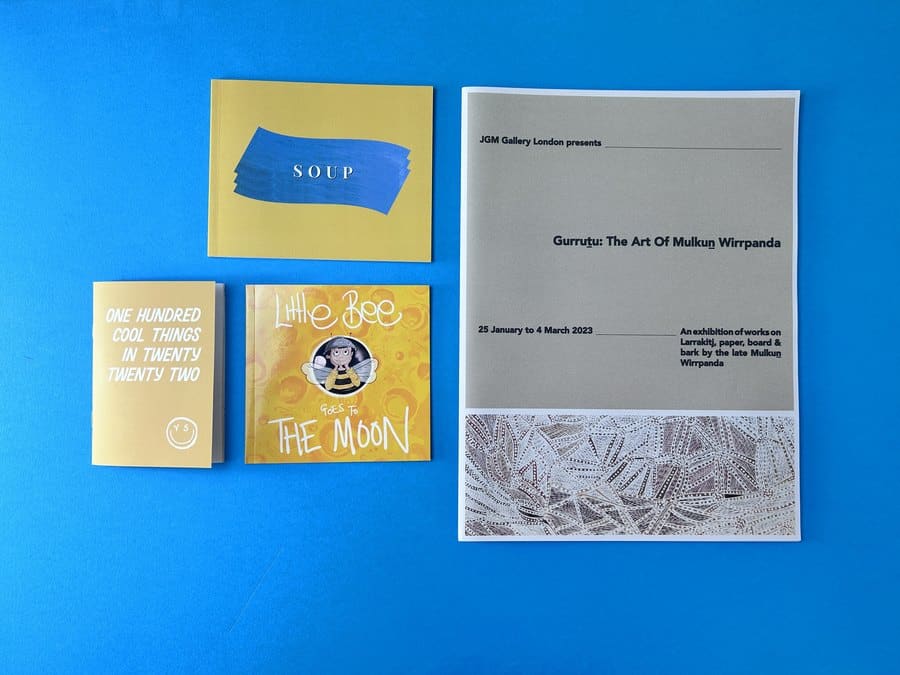
Booklet format affects printing costs because larger sizes require more paper, ink, and finishing resources.
While exact pricing varies by specification, understanding the relative cost differences between common booklet sizes can help you choose the most cost-effective format for your project.
| Booklet Format | Common Uses | Relative Cost |
|---|---|---|
| A6 | Pocket guides, event handouts, promotional giveaways | Lowest |
| A5 | Brochures, catalogues, programmes, manuals | Low |
| A4 Landscape | Portfolios, presentations, lookbooks | Medium |
| A3 | Large-format publications and specialist projects | Highest |
How much more does it cost to move up a booklet size?
As the booklet size increases, so do the material and production costs. Larger formats require more paper, greater ink coverage, and often additional finishing resources.
For example:
- Moving from A6 to A5 typically results in a modest increase in production costs.
- Moving from A5 to A4 usually has a greater impact because of increased paper and ink usage.
- A3 booklets often attract the highest production costs due to larger sheet sizes, specialist handling, and additional finishing requirements.
Even when page counts remain the same, larger formats generally cost more to produce because every page consumes more materials.
Which booklet format offers the best value?
For most businesses, A5 booklets provide the best balance of cost, usability, and presentation quality. They offer enough space for detailed content while keeping production costs relatively affordable.
If minimising costs is the main objective, A6 booklets are usually the most economical option. However, for brochures, catalogues, and marketing materials, A5 often delivers better overall value by combining professional presentation with cost-effective production.
Larger formats such as A4 landscape and A3 are typically chosen when visual impact, imagery, or detailed layouts are more important than minimising printing costs.
How Do Printing Quantities Affect Booklet Printing Costs?
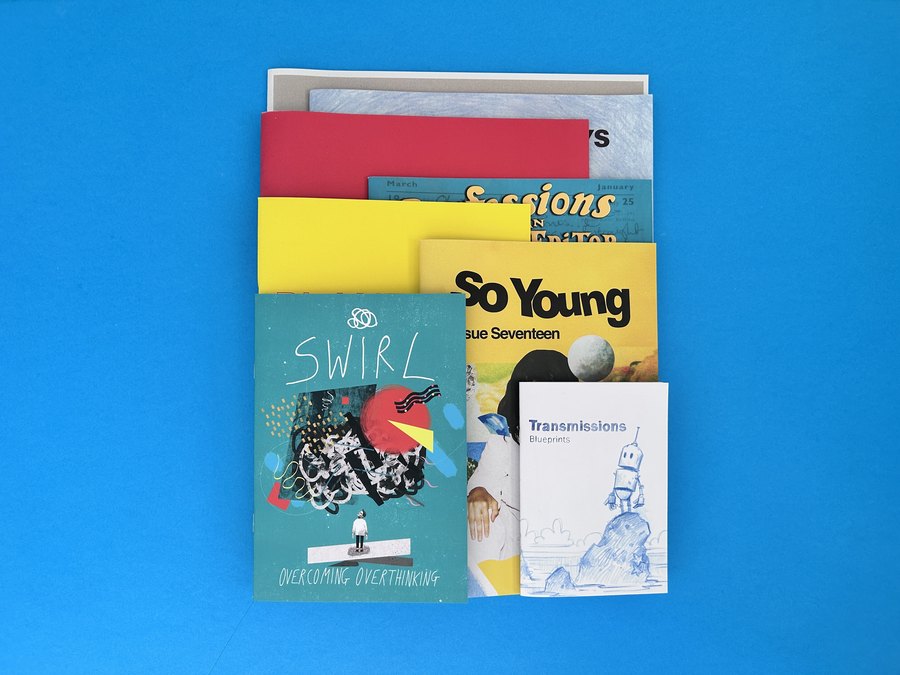
Print quantity has a major impact on booklet printing costs because setup expenses are shared across the total number of copies produced.
Smaller print runs usually have a higher cost per booklet, while bulk printing lowers the unit price and improves overall production efficiency.
Why does short-run booklet printing cost more per unit
Short-run booklet printing costs more per copy because the same setup work is required regardless of quantity. File preparation, machine calibration, and print setup still take time, whether you print 10 booklets or 1,000.
Short-run printing often involves:
- Higher cost per booklet
- Limited economies of scale
- Faster digital printing methods
- Better flexibility for low-volume projects
Digital printing has made small booklet runs more affordable, but unit costs remain higher than bulk printing.
How bulk booklet printing reduces costs
Bulk booklet printing reduces the per-unit price because setup and production costs are spread over a larger quantity. Longer print runs also improve printing efficiency and reduce material waste during production.
Bulk printing benefits often include:
- Lower cost per booklet
- More efficient production processes
- Consistent print quality across all copies
- Reduced long-term reordering costs
For businesses that regularly print brochures, catalogues, or promotional materials, larger print runs are usually more cost-effective.
Booklet quantity pricing comparison table
The cost per booklet decreases as print quantities increase. Larger orders reduce unit pricing because setup and production costs are distributed across more copies.
| Quantity | Estimated Total Cost | Estimated Cost Per Booklet |
|---|---|---|
| 10 | £30 | £3.00 |
| 50 | £60 | £1.20 |
| 250 | £150 | £0.60 |
| 1000 | £400 | £0.40 |
Actual booklet printing costs vary depending on booklet size, page count, paper stock, binding method, and finishing specifications.
Which Printing Method Is More Cost-Effective for Booklets?
The most cost-effective printing method depends on your print quantity, turnaround requirements, and production goals.
Digital printing is generally more affordable for smaller orders, while lithographic printing becomes more economical as print volumes increase.
When is digital booklet printing the better option?
Digital printing produces booklets directly from a digital file without the need for printing plates. Lower setup costs and faster production make it a cost-effective choice for short-run printing projects.
Digital printing is typically best when:
- Printing fewer than 500–1000 copies
- Working to tight deadlines
- Producing personalised or variable-data booklets
- Making frequent design updates
- Ordering short-run promotional materials
For lower-volume orders, digital printing usually offers the lowest overall production cost and the fastest turnaround times.
When does lithographic booklet printing become more cost-effective?
Lithographic printing uses custom printing plates, which increases setup costs. However, as print quantities grow, those setup costs are spread across more copies, reducing the cost per booklet.
Lithographic printing is often the better choice when:
- Printing large quantities
- Producing long-term marketing materials
- Maintaining strict colour consistency
- Using specialist paper stocks or premium finishes
- Running large commercial print campaigns
For bulk booklet printing, lithographic production often delivers lower unit costs and greater cost efficiency.
Digital vs litho booklet printing comparison
| Feature | Digital Printing | Lithographic Printing |
|---|---|---|
| Best For | Short and medium print runs | Large-volume print runs |
| Setup Costs | Lower | Higher |
| Turnaround Time | Faster | Longer |
| Personalisation | Easy | Limited |
| Cost Efficiency | Better for smaller quantities | Better for larger quantities |
| Colour Consistency | Very good | Excellent |
Choosing the right printing method depends on the size and objectives of your project. For short-run booklets, digital printing is usually the most economical solution. For larger print runs, lithographic printing often provides better long-term value and lower production costs per booklet.
How Much Does Premium Booklet Printing Cost?
Premium booklet printing increases costs because it uses higher-quality materials, specialist finishes, and more complex production methods.
Upgrades such as hardback covers, thicker paper stocks, and custom finishes improve durability and presentation but also add additional manufacturing and finishing expenses.
1. Hardback booklet printing cost overview
Hardback booklet printing is one of the most expensive booklet production options because it involves rigid covers, stronger binding materials, and more labour-intensive assembly processes. These booklets are designed for durability, premium presentation, and long-term use.
Hardback booklet printing costs are usually higher due to:
- Rigid board cover construction
- More complex binding processes
- Higher material and labour costs
- Premium finishing requirements
- Longer production times
Hardback booklets are commonly used for portfolios, commemorative publications, premium catalogues, and collector-quality print projects where presentation is a priority.
2. Premium paper upgrade costs
Premium paper stocks increase booklet printing costs because thicker and specialist papers are more expensive to source, print, and bind. Higher GSM papers also affect production handling and finishing requirements.
Premium paper upgrades often include:
- Thicker cover stocks
- Textured or uncoated papers
- Recycled or speciality papers
- Silk, gloss, or soft-touch finishes
- Higher GSM inner pages
Upgrading paper stock can significantly improve print quality, durability, and perceived value, particularly for high-end marketing materials and branded publications.
3. Custom cover and finishing costs
Custom finishes improve the visual appearance and durability of a booklet but add extra production stages and material costs. Premium finishing options are commonly used to create a more professional and visually distinctive printed product.
Common premium booklet finishes include:
- Gloss lamination
- Matt lamination
- Soft-touch lamination
- Foil blocking
- Embossing
- Spot UV coating
These finishes are often used for presentation booklets, luxury brochures, and premium brand materials where visual impact and tactile quality are important.
How can you reduce your booklet printing costs?
Reducing booklet printing costs is not always about choosing the cheapest materials or specifications.
In many cases, the biggest savings come from planning your project correctly before production begins. Making informed decisions early can help you control costs without compromising print quality or presentation.
Prioritise the specifications that matter most
Not every booklet needs premium materials, specialist finishes, or high-end binding. Before requesting quotes, identify which elements genuinely add value to your project and which can be simplified without affecting the reader experience.
Consider:
- Whether premium finishes are necessary
- If a standard format can achieve the same goal
- Which design features directly support the booklet’s purpose
- Whether durability or presentation is the higher priority
Focusing your budget on the most important features helps prevent unnecessary production costs.
Plan print requirements in advance
Last-minute changes can increase printing costs through artwork revisions, production delays, and rush turnaround charges. Establishing specifications early allows printers to recommend the most efficient production method and pricing structure.
Good planning includes:
- Confirming final artwork before production
- Setting realistic delivery deadlines
- Defining print quantities accurately
- Reviewing proofs carefully before approval
The fewer changes required during production, the lower the risk of unexpected costs.
Compare printing options before ordering
Booklet printing prices can vary significantly between suppliers depending on equipment, production methods, and service levels. Comparing multiple quotations helps identify the best value rather than simply the lowest price.
When comparing printers, review:
- Print quality standards
- Included finishing options
- Turnaround times
- Delivery charges
- Artwork support and proofing services
A slightly higher upfront quote can sometimes deliver better long-term value if it reduces the risk of errors, delays, or reprints.
Work with experienced booklet printers
Production mistakes often cost more than the savings achieved by choosing the cheapest supplier. Experienced printers can recommend suitable specifications, identify potential issues before printing, and help optimise production costs.
Professional guidance can help businesses make informed decisions, avoid unnecessary expenses, and achieve the best possible balance between budget, print quality, and project objectives.
How Can Ex Why Zed Help Manage Booklet Printing Costs?
Keeping booklet printing costs under control is not just about choosing cheaper materials. It is about making the right production decisions from the start. Ex Why Zed helps businesses, publishers, designers, and creative brands produce professional booklets while avoiding unnecessary expenses, production delays, and costly print mistakes.
Why choose Ex Why Zed?
- ✓Specialist expertise in short-run and large-volume booklet printing
- ✓Fast turnaround options for time-sensitive print projects
- ✓Support from experienced print specialists throughout production
- ✓Guidance on booklet sizes, paper stocks, binding methods, and finishes
- ✓Help prepare print-ready artwork and file setup
- ✓Digital and lithographic printing solutions tailored to project requirements
- ✓High-quality colour reproduction and print consistency
- ✓Transparent pricing with no unnecessary production costs
- ✓Assistance in identifying cost-saving opportunities without compromising quality
- ✓Reduced risk of artwork errors, reprints, and production delays
Whether you are producing brochures, catalogues, magazines, zines, portfolios, or branded publications, Ex Why Zed helps simplify the printing process and ensures your budget is invested where it delivers the greatest impact.
With expert production guidance and dedicated print support, businesses can achieve professional booklet printing while avoiding costly mistakes and keeping production costs under control.
Conclusion
Booklet printing costs are influenced by every production decision, from booklet size and page count to paper stock, binding, stapled booklets, print quantity, and finishing options. Smaller formats, standard paper stocks, and efficient print quantities usually provide the best balance between affordability and professional print quality.
Understanding what drives booklet printing costs helps businesses avoid unnecessary production expenses and choose specifications that match their budget and project goals. Whether you need short-run digital booklets or premium hardback publications, careful print planning and the right production choices can significantly improve both cost efficiency and final print quality.
Frequently Asked Questions
Yes. Most booklet printers offer instant online quotes based on your booklet size, page count, paper stock, binding type, including Wiro binding, print quantity, and finishing options. Adjusting specifications updates the estimated printing cost in real time.
Yes. Digital printing offers a cost-effective solution for low-quantity booklet printing due to its lower setup costs and faster production times. Smaller A5 or A6 saddle-stitched booklets give you plenty of space and are usually the most affordable options for short print runs.
Cheap booklet printing delivery in the UK usually takes between 2 and 7 working days, depending on the print quantity, binding method, finishing options, and your preferred delivery date. Express turnaround services are often available for urgent short-run booklet printing orders.
Some booklet printing companies offer free UK delivery, particularly on larger orders or standard turnaround services. However, once you add items to your shopping cart, you’ll be able to see delivery costs at the checkout, as they can vary depending on print quantity, booklet size, production speed, and courier requirements.
Booklet printing prices are affected by booklet size, the number of pages, paper stock, colour printing, binding type, print quantity, and finishing options, including how single pages are presented. Premium materials, larger formats, and custom finishes increase production costs, while bulk printing usually lowers the cost per booklet.
Online booklet printing is often cheaper for short and medium print runs because digital production and automated ordering systems reduce overhead costs for newsletters. Local print shops may charge more, but they can offer personalised support, print consultations, and faster local collection options.
Booklet printing in the UK can cost anywhere from under £1 per copy for simple short-run booklets to several pounds per unit for premium formats, including options for a quality front cover. If you order before 2pm, you can get it next day. Pricing depends on booklet size, page count, paper stock, binding, print quantity, and finishing options.