"Poetry is when an emotion has found its thought and the thought has found words." – Robert Frost
If you’ve ever felt something so deeply that you had to write it down, you’re already on your way to being a poet. And maybe now, you’re thinking about taking the next step, starting your own poetry collection.
It might feel like a big task, but it’s a meaningful one. Whether you’re collecting old poems or writing new ones, creating a poetry book helps you grow and connect with readers.
You don’t need to be an expert. You just need your words, your feelings, and the courage to begin. So, are you ready to start your poetry collection? Let’s take it one step at a time.
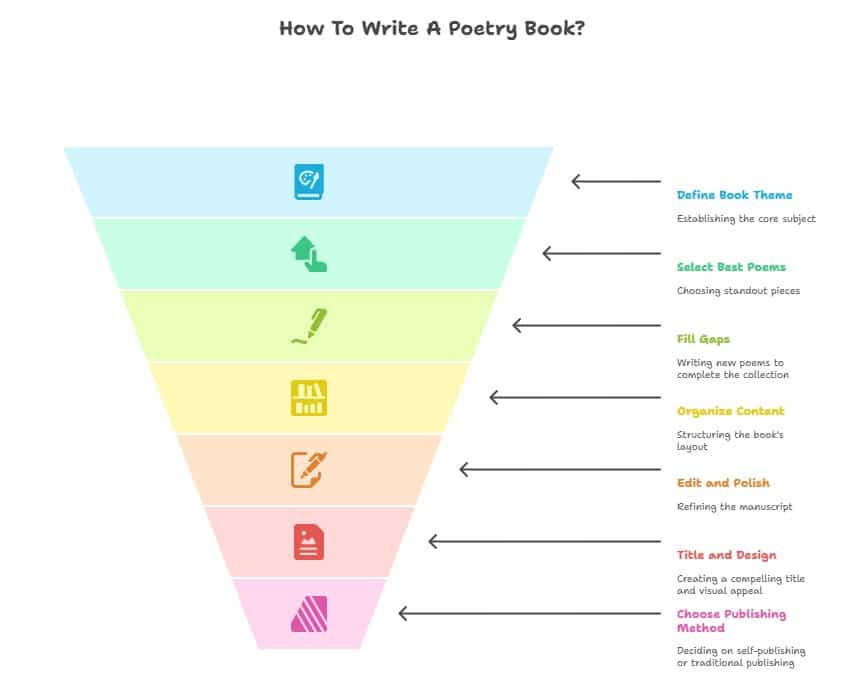
Starting isn’t as hard as it seems. Begin with a regular writing habit, write new poems or revisit old ones. The more you write, the more your collection will grow.
For example, poet Rupi Kaur began by sharing poems on Instagram. Her first self-published book Milk and Honey sold over 2.5 million copies worldwide and spent more than a year on The New York Times bestseller list.
Reading other poets also helps. It sparks ideas, sharpens your style, and shows you new ways to express yourself. Now, let’s walk through the next steps to build your poetry book.
The heart of any poetry collection lies in its theme. So before you dive in, take a moment to think: what do you want your book to say?
Is it about love? Strength? Nature? Or maybe your own personal journey? Picking a subject gives your collection a clear direction. It ties your poems together and helps your book feel like one complete piece rather than just a bunch of random poems.
Example: If you're writing about nature, your poems might explore the changing seasons, the cycle of life, or how people are connected to the world around them similar to Mary Oliver’s A Thousand Mornings, which meditates on simple outdoor moments.
Of course, you don’t have to stick to a strict theme. But having something like a story, a mood, or even a certain style that links your poems together can give your collection more shape and make it more memorable for readers.
Choosing the right poems for your collection is a big step and an important one. Go with the pieces that really stick with you, the ones that show your voice and style the best.
As you put your poems together, think about what each one is saying and how much emotion it carries. This helps your collection feel more connected and meaningful.
You might have to leave out some poems you like, and that’s totally okay. It’s all part of the process. Take this time to shape and strengthen your work. The more focused and powerful your collection is, the more it will speak to your readers.
Even the best poetry collection might need a few more poems to fill in the gaps or strengthen the theme. Take a good look at your manuscript are there parts that feel a bit thin or disconnected? Maybe a certain emotion, viewpoint, or style is missing.
Try writing new pieces to fill those spaces. Play with different forms like sonnets, free verse, or even a new tone to add depth and variety.
Just remember to stay true to your main theme. Each new poem should add something meaningful and help tie the whole collection together. Once you’ve got everything, you can start thinking about the best order for your poems.
Arranging your collection of poems takes a bit of thought. Start by looking at how your poems connect- do they share a theme or tell a story as they go along? Think of your collection like a book, where each poem flows into the next, almost like chapters.
Poet Ocean Vuong’s debut, Night Sky with Exit Wounds, is known for its intentional flow. Each poem builds emotional tension and leads into the next like a quiet story.
Choose a strong opening poem, something that grabs the reader’s attention right away. And don’t forget the ending! Your last poem should leave a lasting impression, something that sticks with the reader after they’ve finished.
And, if you ever need a little extra clarity on design, publishing, or promotion, Ex Why Zed’s resources are a good place to revisit.

Editing is a key step in turning your poetry manuscript into a polished book. Start by going through each poem carefully. Check your grammar, line breaks, and imagery. Cut out anything that feels unclear or unnecessary.
Then, look at the collection as a whole. Does the order make sense? Do the poems support your theme? You might find some poems need more work or even need to be removed.
Before publishing, create a proof copy. This helps you catch layout issues, formatting errors, or any lines that went missing. Take your time with this step. It’s all about making your collection the best it can be.
And once everything feels right, you’ll be ready for one final task: choosing a title that truly reflects your poetry collection.
Want to learn more about printing options? Here's a useful guide on the book printing process, from file prep to choosing paper and finishes.
The title of your poetry collection really matters. It’s the first thing people see, and it should spark interest. You want something that feels true to your work and makes people curious to read more.
You could name your book after your favorite poem, or pick a line or image that captures the heart of your collection. Just try to avoid overly common titles like "Selected Poems" or "Anthology of Verse". They don’t say much and won’t help your book stand out.
A strong title can leave a lasting impression. It should stir a feeling or paint a picture in the reader’s mind.
Take your time with it. Jot down ideas, test out different titles, and don’t be shy about asking other poets for feedback. The right title will reflect your theme and tone, and once you’ve got it, you’ll be ready to think about the cover design and overall look of your book.
Your poems may be powerful but it’s the book cover that gets people to stop and take a look.
Think about the feeling behind your collection. Is it soft and emotional? Bold and loud? Calm and reflective? Your design should match that vibe. Whether you go for a minimal look, vibrant art, or a quiet, moody photo, your cover should reflect the heart of your poems.
Pick an image that stands out but also feels true to your writing. It could be abstract art, a photo that speaks to your theme, or even something inspired by a specific poem. For authors handling the visuals themselves, Ex Why Zed can also help with design decisions.
At the end of the day, a great cover doesn’t just look nice it adds meaning, tells part of your story, and makes readers want to see what’s waiting inside.
Choosing how to publish your poetry collection is a big step—it can make a big difference in how people find and read your work.
If you go with traditional publishing, you’ll usually get some support with editing, design, and getting the word out. Your book might even end up in big stores. The downside? It can take time, and you’ll need to submit your work to publishers or enter contests.
Self-publishing is a great option if you want more control. You get to decide how your book looks, from the cover to the layout. Platforms like Amazon KDP or Ex Why Zed make it pretty easy to publish on your own.
To get a full picture of your self-publishing options, revisit this list of self-publishing tools. Also, don’t forget the importance of an ISBN. It helps your book get listed in bookstores, libraries, and online retailers.
Once your poetry collection is out in the world, this is when the real fun starts. This is your time to connect with people through your writing.
Make the most of social media to talk about your book with fans and other poets. Share posts that grab attention. You can do a virtual reading or hold a simple online event. Try running some easy promotional ideas too.
Work with local bookstores to get your poetry collection out there. See if you can put your book in the store and maybe set up a small event.
Not sure where to start? This guide on how to launch a book on social media can help you plan your launch strategy and grow your audience.
As you work on your poetry collection, remember that your dream of becoming a published author might be closer than it seems. Whether you’re making final edits or exploring platforms like Amazon or IngramSpark, each step brings you closer to sharing your words with the world.
Enjoy the process. Stay active on social media, connect with other poets, and be part of the creative community.
These small actions can open unexpected doors. And one day, you might walk into a bookstore and see your own poetry collection on the shelf.
And when it’s time to bring your words to life in print, Ex Why Zed is a brilliant partner. From design support to professional printing, they make self-publishing feel personal, straightforward, and beautifully done.
So go ahead — take the next step. Your poetry deserves to be read.
Most full-length poetry books have about 40 to 70 pages with poems. Chapbooks have less, with about 20 to 40 pages. The main thing is to pick strong poems that make the book feel finished. It is not about having a set number of pages. Modern poets say it is better to choose good poems over having many of them.
Having a main idea helps make your collection of poetry stronger. It ties the poems together with the same subject matter or tone. You do not have to use a theme, but it helps your first book connect better with readers. When your poems have cohesion, your message can make more impact.
A preface for a poetry book is a short introduction where you share why you wrote the collection, what inspired it, and how readers can connect with the poems. Keep it personal, reflective, and brief.
It depends on your writing pace and goals. Some poets take a few months, while others may spend years refining their work. On average, it can take anywhere from 6 months to 2 years to write and polish a poetry book.
Start by editing and arranging your poems into a cohesive collection. Format the manuscript and design a cover either yourself or by hiring a professional.
Next, choose a platform then upload your files, set your pricing, and publish your book. After it’s live, promote it through social media, a website, or poetry events.
If you do everything yourself using free tools like Amazon KDP, it can cost £0. But if you hire an editor, designer, or pay for printing, it may cost around £100–£500+, depending on your needs.
You can keep costs low by starting small and investing more as your book gains traction.
Rather we printed it properly?
You've got the know-how — now let us do it for you. From first zines to 500-copy hardbacks, we've printed it all since 2006: beautifully bound, every file checked by a real person, and delivered on your deadline.
Get your print quote →★★★★★ 5/5 on Reviews.io • Free paper samples • Order a test copy first
Let’s face it – people do judge a book by its cover. Especially when it comes to poetry. A well-designed poetry book cover doesn’t just sit quietly on a shelf… it speaks.
Good book cover designers understand this. They know how to create covers that connect with the emotions behind your poems. Whether you’re designing it yourself or working with someone, the right cover can help your collection stand out and tell its own story.
Ready to explore some creative poetry book design and turn your poetry collection into something truly eye-catching? Let’s get started.
A collection of poems can touch the soul, but a great book cover brings that feeling to life. The right poetry book cover design reflects your poetry and can turn casual viewers into readers.
Also, if you’re planning to self-publish, Ex Why Zed offers reliable, high-quality printing for poetry books in a range of styles and finishes, making it easier to produce something that feels personal and professional.
Now, keep reading for five ways to blend art with effective marketing and choose the perfect cover for your poetry collection.
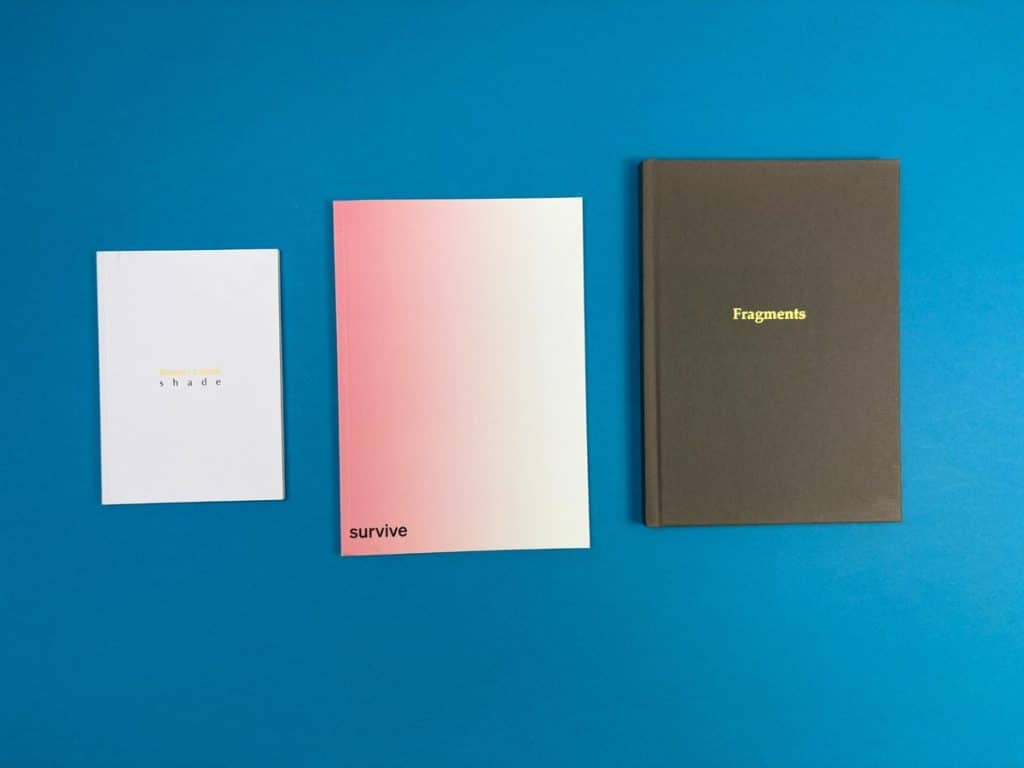
Minimalist designs prove that less really can be more. These covers use soft colours, clean lines, and simple fonts to create a quiet beauty that doesn’t distract from your words. The goal? Let the poetry speak for itself.
One of the most iconic examples is Milk and Honey by Rupi Kaur. The cover is plain black, with lowercase serif text and a tiny line drawing. It’s raw, simple, and powerful, just like the poems inside.
Note: If your poetry talks about healing, heartbreak, identity, or quiet strength, a minimalist cover can feel personal and deeply meaningful. And sometimes, on a noisy bookshelf, a quiet and simple poetry book cover says the most.
You can explore more examples of what makes a cover stand out in this guide on eye-catching book cover design.
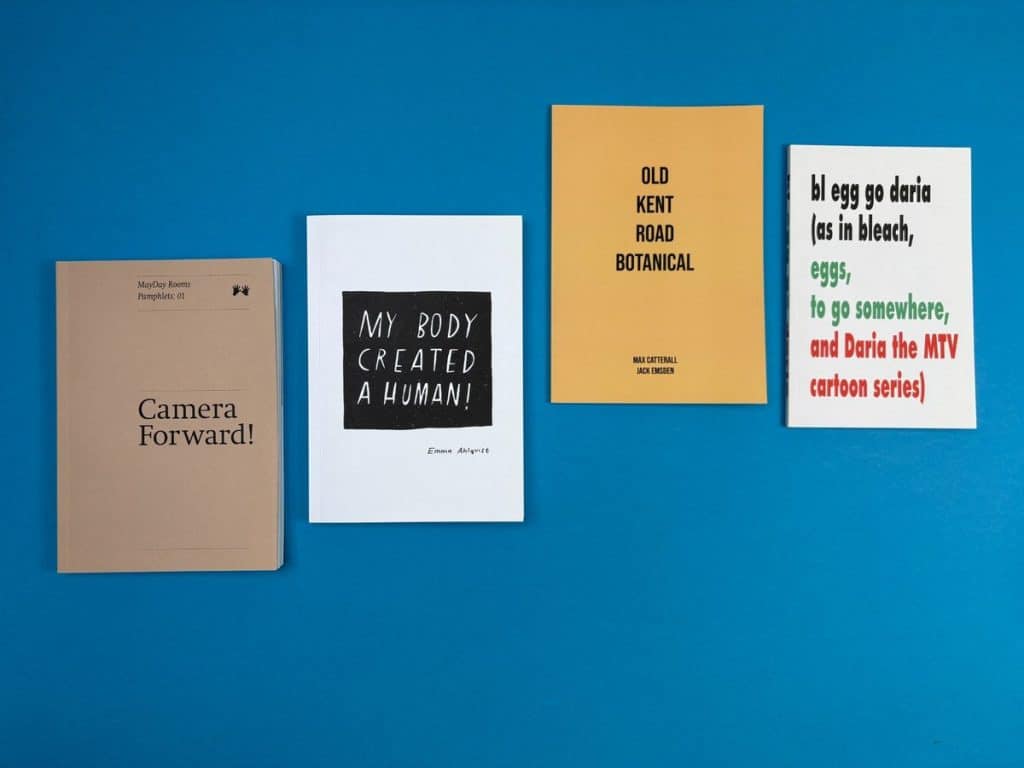
Typography-based covers turn your title into the star of the show. Bold fonts, clever layouts, and playful spacing make the words feel alive—like a visual extension of your poetry.
For instance, take Aphrodite Made Me Do It by Trista Mateer. The title takes centre stage, spread boldly across the cover with dark, dramatic tones in the background. It grabs your attention instantly.
Note: This style is perfect if your poetry is loud, expressive, or performance-driven. With the right font and placement, the cover doesn’t just display the title. It feels like the first line.
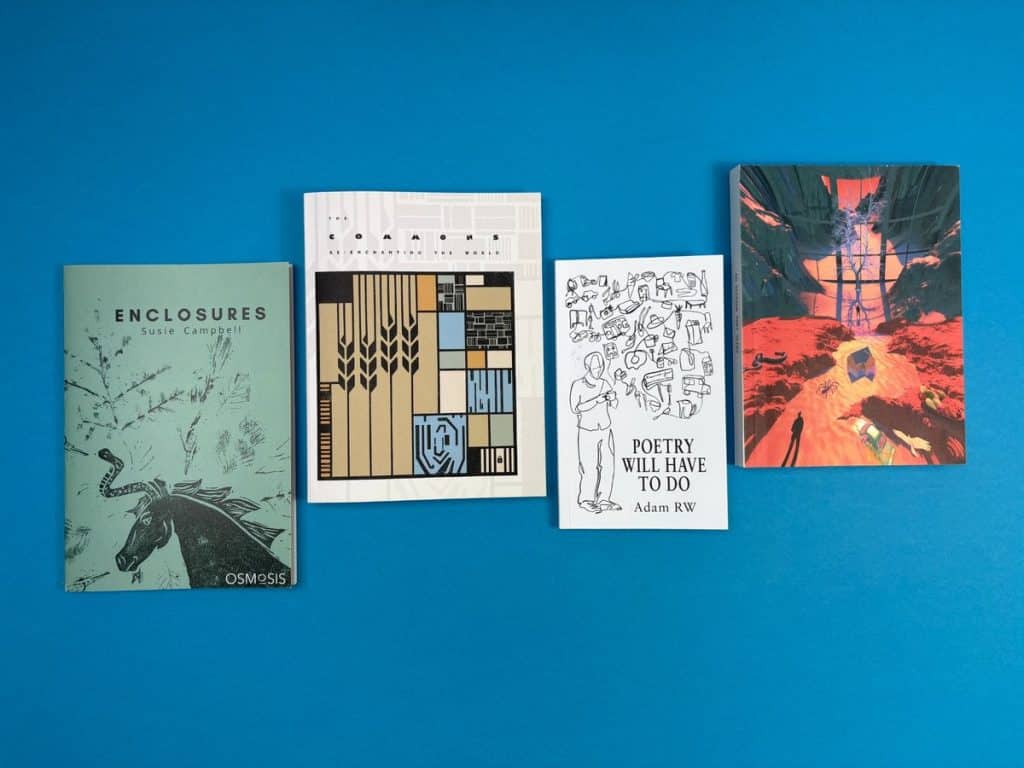
Bright colours and flowing shapes can stir emotions before a single word is read which is exactly why abstract art works so well on a poetry book cover. Instead of showing something literal, it gives designers a creative way to reflect the heart of your collection.
Through colour, texture, and shape, they can turn the mood and emotion of your poems into a visual feeling. Whether your poetry is calm, chaotic, joyful, or bittersweet, abstract art helps set the tone without giving too much away.
For example, The Black Flamingo by Dean Atta uses bold abstract illustrations and bright colours that shout self-expression and personal discovery. You can sense the transformation just by looking at the cover.
Note: This style works beautifully for poems that deal with personal journeys, inner conflict, or the fluidity of emotions. You don’t have to show everything, just create a feeling.
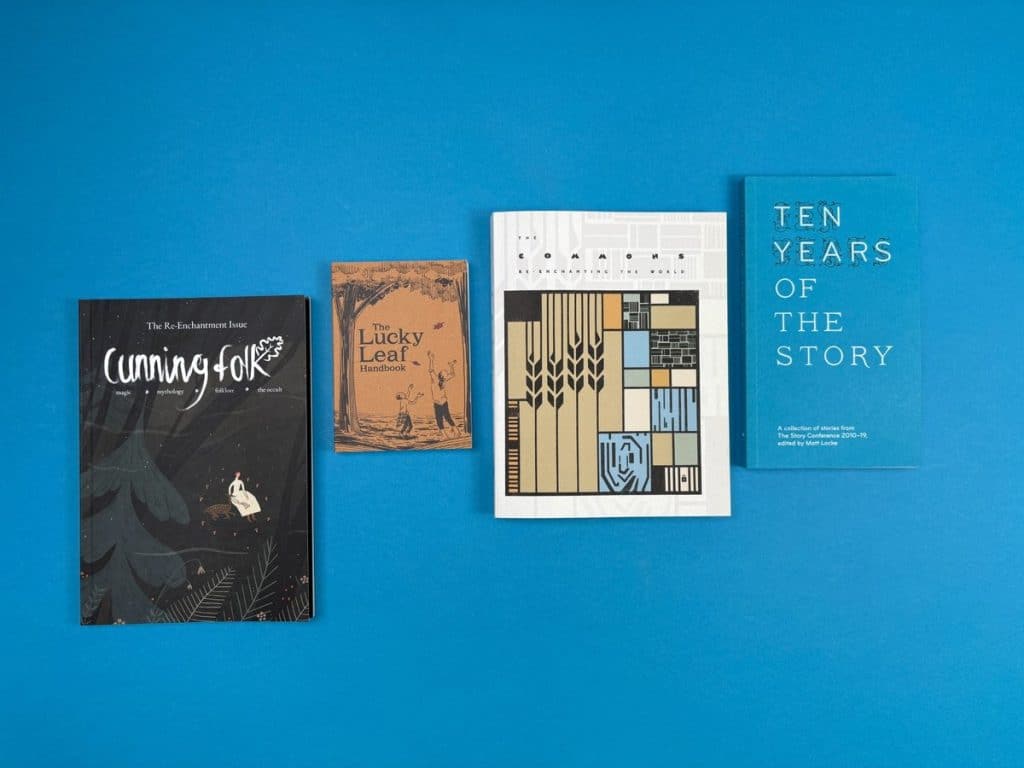
Nature always works well in poetry book design. Leaves, flowers, skies, oceans, and artwork instantly set a mood and connect with readers on a deeper level. These covers often reflect peace, growth, or introspection.
A great example is A Nature Poem for Every Day of the Year by Jane McMorland Hunter. This UK-published anthology features a richly illustrated cover filled with birds, leaves, and trees.
The detailed nature scene is paired with a classic serif font, giving the book a timeless, seasonal feel. It’s warm and welcoming—perfectly matching the gentle, reflective tone of the poems inside.
Note: If your poetry touches on solitude, spirituality, nature, or finding beauty in the natural world around us, this style can be a perfect fit. Use earthy tones, floral art, or celestial details to help set the emotional tone.
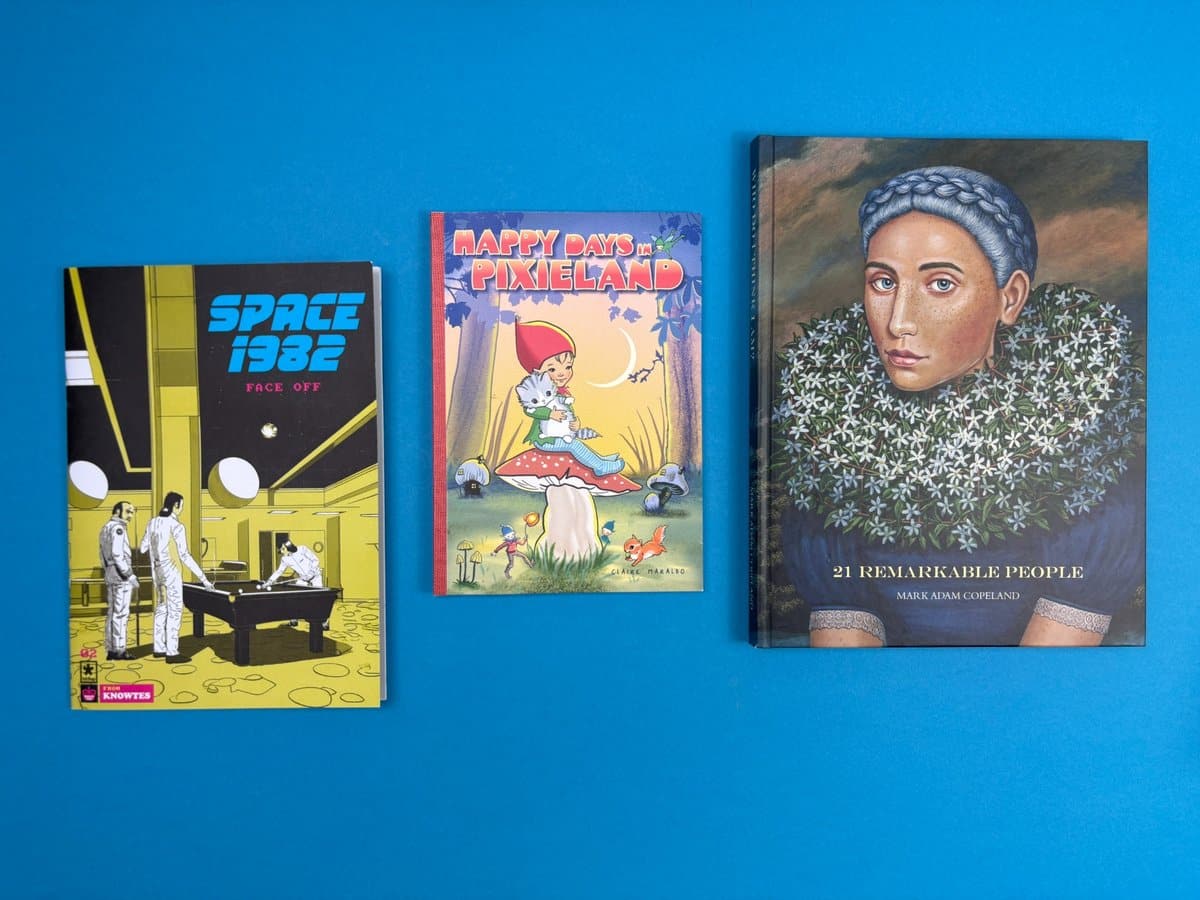
If your poems explore memory or nostalgia, a vintage-style cover can set the perfect tone. Think faded colours, typewriter fonts, and old-paper textures — like something pulled from a beloved bookshelf.
Take Sylvia Plath’s Ariel (Faber edition). Its bold, minimalist design feels timeless and quietly powerful. It doesn’t try too hard, but it makes you feel something ,just like good poetry should.
Note: This style works beautifully for poetry rooted in reflection, family history, cultural memory, or the passing of time. It sets a contemplative mood before the reader even turns the first page.
Collaborating with an illustrator can help bring out the emotional world behind your poems. You can also explore top book design solutions that include illustration, layout, and print expertise in one place.
A good book of poetry grabs you as soon as you see it. It matches the theme and mood of the poetry book. The cover shows the link between the poems and the main idea in the book.
When you look at the design, it pulls you in and makes you want to know more about the prose and poetry featured inside. With the right look, the poetry book cover gives you something to remember and draws people to pick it up. Here's what you should take into consideration:
Your poetry has a tone. Soft and dreamy? Bold and electric? Raw and personal? Whatever it is—your cover should match that energy. Here's a quick guide to help you line things up:
Poetry Style | Recommended Poetry Book Cover Design Elements |
|---|---|
Romantic/Soft Themes | Use delicate fonts, soft pastel colours, and floral art. |
Bold/Experimental Poetry | Pick dramatic fonts, abstract pictures, and bold colours. |
Nature-Inspired Themes | Try natural colour tones, soft shapes, and textured design. |
Contemporary Poetry | Go with simple fonts, clean layouts, and bright graphics. |
Emotional/Personal Poetry | Choose mixed-media looks, and a handwritten-style font. |
When the cover mirrors the feeling of your poems, it builds trust. Readers feel the connection and they’re way more likely to flip it open.
Here’s the truth: your book isn’t for everyone and that’s a good thing.
Is your audience into modern Instagram-era poetry? Then think minimalist, bold, and clean. Are your readers more into classic, lyrical poetry? Then go for elegance, soft detail, maybe even a vintage look.
Your readers’ tastes should shape your choices—fonts, colours, imagery, everything. And if you’re working with a cover designer, bring these audience vibes into the conversation from the start. It’ll make all the difference.
Every poem has a mood. Your cover should carry that same energy. If your poems are quiet and introspective, don’t overuse graphics and images. And if your collection is fiery and bold, a faded watercolour cover probably won’t cut it.
Instead, think:
When mood and message match, your cover becomes a doorway into the emotional world of your book.
Also, if your poetry takes the form of a longer narrative or novel, this guide on how to print a novel might be helpful too.
Here’s a simple tip: don’t design in a bubble. Get feedback.
Post your cover drafts on Instagram. Ask your writing group what they think. Show two designs side-by-side and ask, “Which one would you pick up at a bookshop?”
You’ll be surprised how helpful it is. Not only do you get insights into what clicks with readers, but you also start building a little buzz before your book even launches.
A poetry book needs a careful touch. The words carry the emotion, but layout, pacing and production choices shape how readers experience them. Our guide to how much it costs to publish a poetry book breaks down the likely spend across editing, cover design, formatting, ISBNs and printing, helping poets plan with a clearer budget from the start. It is practical, honest and especially useful for first-time self-publishers.
The companion guide on poetry book format turns attention to the manuscript itself: cover sheets, copyright pages, contents, spacing, fonts, margins and the gentle discipline that helps poems sit well on the page. Read together, the two articles show how a poetry collection moves from private draft to a print-ready book that feels coherent, readable and true to the work.
A great cover is more than just decoration. It’s the first step in telling your story. It shows the mood of your poems and gives readers a little hint of what’s inside. It can be calm, bold, soft, or emotional.
However, you don’t have to do it alone. Many poets ask a designer for help, but you can also create something beautiful yourself.
Try out different colours, fonts, and layouts. And if you’re ever unsure, take a look at what other poets have done — it can give you some brilliant ideas.
In the end, the best covers make people stop and think, “I want to read this.” That’s when you know your cover works, it speaks before your words even begin.
If you’re looking for a professional printing partner to bring your poetry book to life, Ex Why Zed is a fantastic choice.
With a focus on self-publishing, you can access high-quality printing, custom cover design options, and expert support- everything you need to create a poetry book that feels as beautiful as the words inside.
A standout poetry cover grabs attention with unique visuals, clean design, and expressive typography. When the style matches the tone of the poems and evokes emotion, it sparks curiosity and invites readers in.
If you’re confident in your design skills and know your vision, you can create the cover yourself. But if you want a professional, polished look, or need help bringing your idea to life it’s worth hiring a designer.
Crowded layouts, unreadable fonts, and designs that don’t match your poetry’s tone are all common issues. Another big one: forgetting who your audience is. A cover that’s off-theme or off-genre can confuse readers.
Very important. Colours help set the emotional tone and make your book visually appealing. Soft tones might suggest calm or nostalgia, while bold colours can signal intensity or confidence—use them with purpose.
A good cover captures the heart of your poetry. It reflects the emotion, theme, and mood of your work. Great typography, thoughtful imagery, and cohesive colours work together to draw readers in and make a lasting impression.
Rather we printed it properly?
You've got the know-how — now let us do it for you. From first zines to 500-copy hardbacks, we've printed it all since 2006: beautifully bound, every file checked by a real person, and delivered on your deadline.
Get your print quote →★★★★★ 5/5 on Reviews.io • Free paper samples • Order a test copy first


